



Etched Glass Globe Lamp
An etched glass globe lamp is a practical domestic light source that brings period charm and patterned illumination to a room.
Etched Glass Globe Lamp
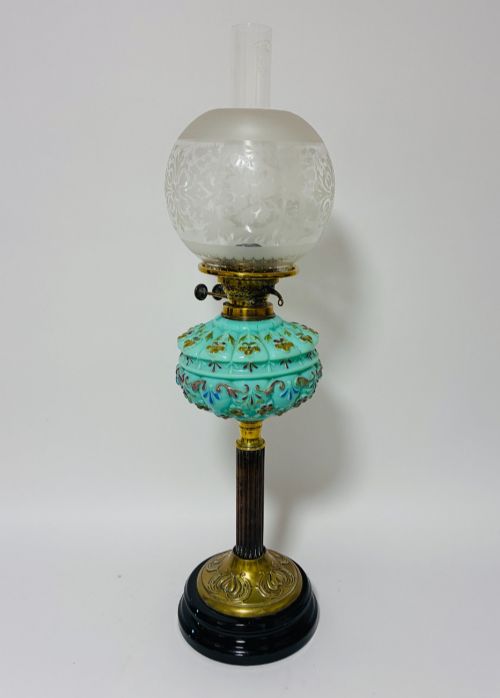
When you search for an etched glass globe lamp, you are examining a category dominated by Victorian and Edwardian oil lamps, table lamps, and ceiling lighting. These pieces span periods from the nineteenth century into the 1920s, incorporating styles such as Victorian Art Nouveau, French Chateau, and Chinese Export.
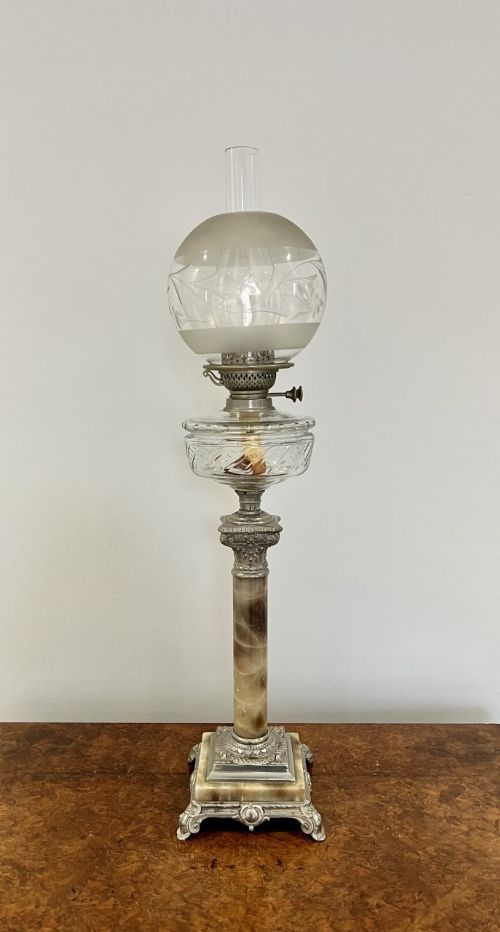
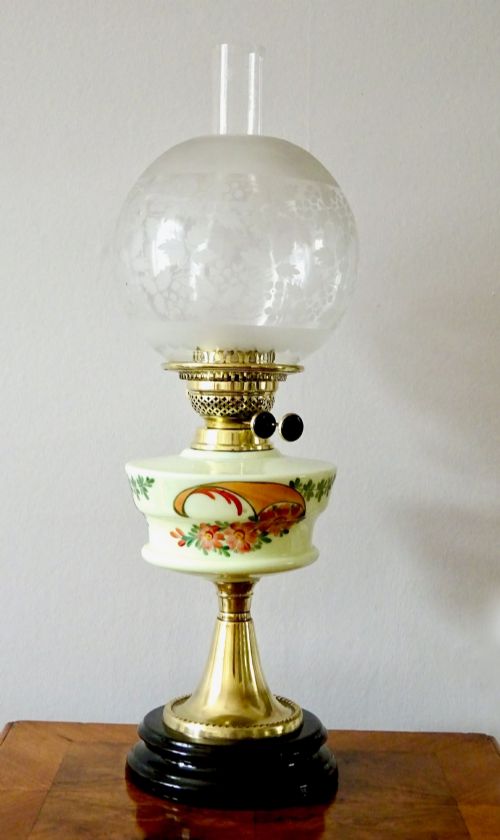
The version you are most likely to meet on this page is a brass, bronze, or ceramic oil lamp base paired with a glass shade or globe. They appear frequently in forms that combine coloured glass fonts with metal reservoirs and burners, reflecting their origins in nineteenth-century domestic lighting.
How they were made
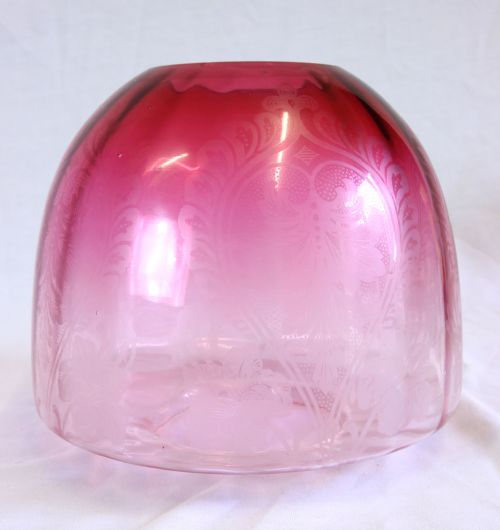
Makers utilised a combination of glassblowing, acid-etching, and metal casting. Shades and globes of frosted, cranberry, or green glass received surface decoration through chemical etching or wheel-cutting to create opaque patterns against translucent backgrounds.
Structural components rely on brass, bronze, and ceramic elements assembled with threaded fittings. Bases often incorporate onyx or faience, while fonts utilise coloured glass such as cranberry and blue to catch the light.
Listings incorporate items spanning the nineteenth century through the 1920s, utilising brass, bronze, onyx, and various coloured glasses.
What varies in quality
The distinction between standard production and superior examples lies in the crispness of the glass etching and the weight of the metal casting. Heavy brass or bronze mounts and deeply carved crystal or cranberry shades indicate higher craftsmanship.
Proportion and material integration also determine quality, particularly where ceramic or onyx sections meet metal work. Finer items exhibit balanced forms and precise detailing across both the font and the shade.
Hinks of Birmingham·Messengers·Harrods
The Etched Glass Globe Lamp Glossary
- Etched glass
- Glass decorated by applying acid to eat away exposed areas, leaving a frosted or textured pattern. This technique creates diffuse light and ornamental designs on lamp shades and globes.
- Cranberry glass
- A rich pinkish-red glass produced by adding gold chloride to the molten batch. It appears frequently in Victorian lamp fonts and shades.
- Font
- The oil reservoir of a lamp, usually positioned above the base and beneath the burner. Fonts are often made from coloured or clear glass.
- Faience
- Tin-glazed earthenware used for decorative lamp bases. It provides a smooth surface for painted ceramic designs.
- Art Nouveau
- A stylistic movement characterised by organic, flowing lines and natural motifs. Pieces from this period often feature stylized floral shades and mounts.
Etched Glass Globe Lamp: Frequently Asked Questions
What is an etched glass globe lamp?
An etched glass globe lamp is a period lighting fixture featuring a decorative glass shade mounted on a metal, ceramic, or glass base.
Most examples originate from the Victorian and Edwardian eras, designed originally for paraffin oil before many were later converted to electricity.
How do I date an oil lamp?
Dating relies on examining the materials, burner mechanisms, and stylistic markers such as Art Nouveau motifs or Victorian brass casting techniques.
Makers' stamps on the metal collar or burner wick turners also help establish a precise period of manufacture.
Were these lamps converted to electricity?
Many surviving nineteenth-century and early twentieth-century oil lamps have been adapted for modern electrical use by running a cord through the burner mechanism.
This conversion allows period glass shades and brass bases to function safely as contemporary table or desk lighting.
How do I care for cranberry glass?
Cranberry glass should be cleaned gently using lukewarm water and mild soap, avoiding harsh abrasives that might scratch the surface.
Careful handling protects both the delicate coloured glass and any acid-etched patterns on the globe.