


Napoleon III Lamp
These napoleon iii lamp examples combine nineteenth-century French metalwork, ceramics and fine timbers to bring character to an interior.
Napoleon III Lamp
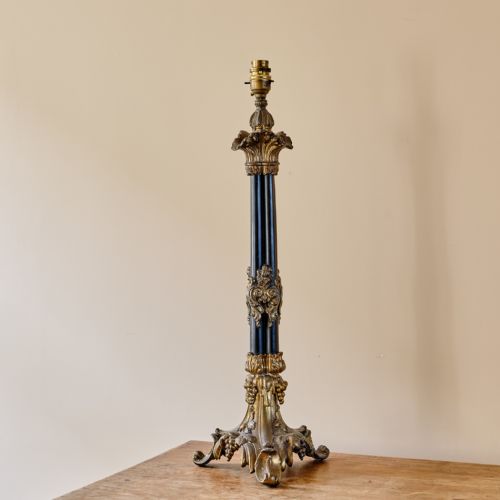
A napoleon iii lamp brings together nineteenth-century French lighting fixtures, many of which began life as oil lamps or chandeliers before later conversion to electricity. The selection includes desk lamps, console lamps and converted oil lamps created during the mid to late nineteenth century. These pieces draw on revivalist aesthetics such as Rococo, Louis XV and Louis XVI alongside the characteristic heavy ornamentation of the period.
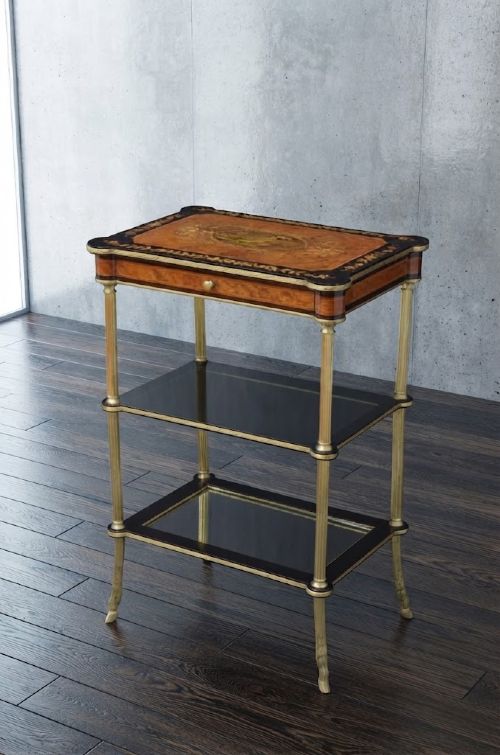
Buyers frequently encounter converted oil lamps that pair cast bronze or brass bases with hand-painted ceramic, faience or porcelain reservoirs. Other examples utilise patinated copper, silvered bronze or ormolu mounts to frame glass and crystal elements. Side tables and occasional tables also appear in listings alongside lighting, reflecting how lamp tables functioned within nineteenth-century French rooms.
Materials and construction
Makers built these pieces using cast bronze, brass and copper, often finished with gilt or patinated surfaces. Metal components combine with natural materials including ebonised wood, rosewood, walnut and marble, supported by brass mounts and ormolu detailing.
Lamps incorporate delicate glass, opaline glass, frosted glass and porcelain de Paris or Sevres ceramic elements. Construction methods rely on heavy metal casting, hand chasing and detailed ceramic painting, uniting disparate materials into unified decorative objects.
Materials across these listings include bronze, brass, ebonised wood, rosewood, marble, glass and Sevres porcelain.
Factors separating the finest pieces
Quality rests upon the crispness of the bronze or brass casting and the depth of the chasing. Superior examples display finely modelled figures, crisp foliate chasing and robust mountings that fit the body without gaps.
Hand-painted ceramic reservoirs and enamelled glass sections further distinguish finer workshops. The weight of the metalwork and the integration of porcelain or crystal elements indicate the original ambition of the piece.
The Napoleon III Lamp Glossary
- Ormolu
- Gilded bronze produced by applying a mercury and gold amalgam to a bronze base. This technique creates a rich, enduring metallic surface seen on mounts and decorative fittings.
- Faïence
- Tin-glazed earthenware popular in French decorative arts. It provides a smooth white ground for hand-painted floral or figural scenes on lamp reservoirs.
- Ebonised wood
- Timber treated to imitate ebony, giving a deep black finish. It offers a dark, contrasting backdrop for bright ormolu mounts and gilt highlights.
- Bouillotte lamp
- A traditional card-table lamp featuring a central shaft, a shade that adjusts up and down, and a shallow dish base. It provides focused task lighting.
- Porcelain de Paris
- A term covering the output of numerous independent porcelain workshops operating in Paris during the eighteenth and nineteenth centuries. It is known for its bright glaze and fine decorative detail.
Napoleon III Lamp: Frequently Asked Questions
What is a converted oil lamp?
A converted oil lamp is a former burning lamp that has been professionally adapted for modern electrical wiring. The original fuel reservoir and burner mechanism are retained while housing internal bulb fittings.
These pieces preserve the sculptural form and proportions of nineteenth-century lighting while functioning safely in contemporary rooms.
How do I identify Napoleon III style?
Napoleon III style draws heavily on historical French revivals, particularly Louis XV and Louis XVI aesthetics. Look for exuberant casting, mixed materials like bronze and porcelain, and symmetrical or scroll-work detailing.
The aesthetic favours ornate decoration, dark ebonised woods contrasted with gilt mounts, and rich textures.
Where should I place a desk lamp?
Desk lamps from this period suit studies, libraries and living rooms where focused task lighting is required. Their substantial bronze or brass bases anchor them securely on writing surfaces.
They also sit well on sideboards and consoles as decorative accent lighting.
Are these lamps fragile?
While the cast metal components are robust, these objects often feature delicate ceramic reservoirs, glass shades or crystal drops. Care must be taken when moving or dusting them to protect vulnerable glazed and painted surfaces.
Regular gentle maintenance preserves the patination on the bronze and brass elements.