

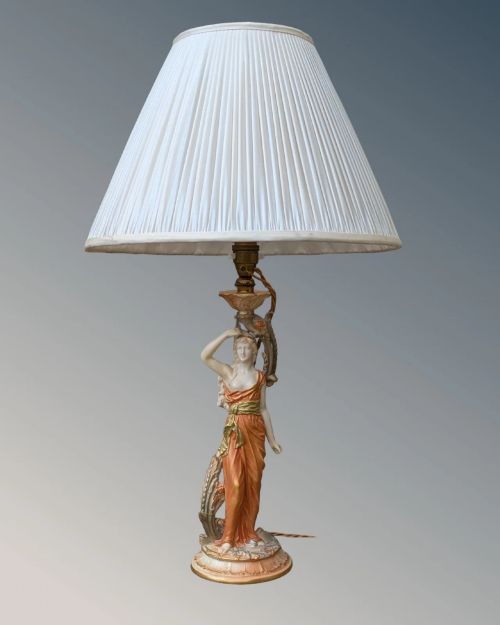

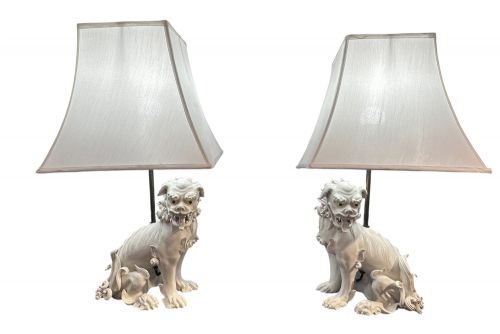


Cream Ceramic Lamp
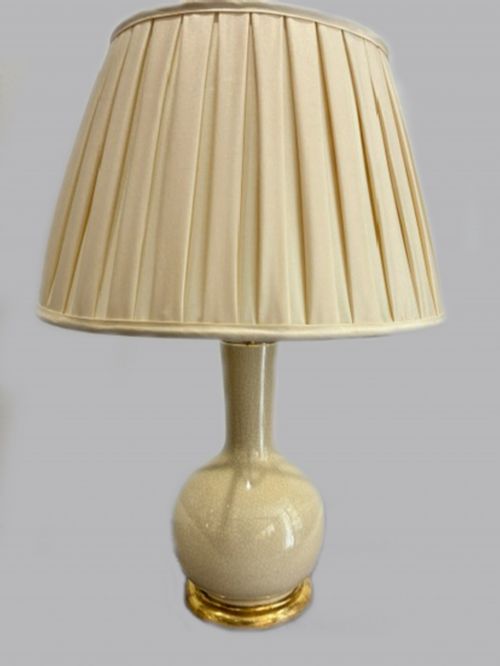
A cream ceramic lamp brings warmth and soft texture to a room, turning historical porcelain, earthenware and pottery into practical lighting.
Cream Ceramic Lamp
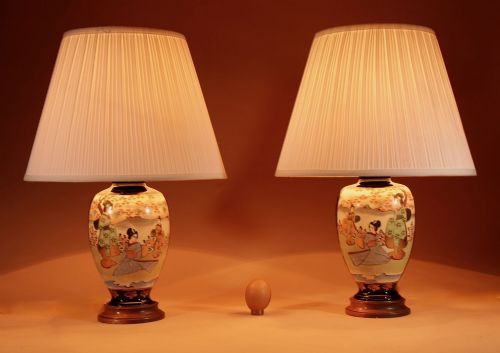
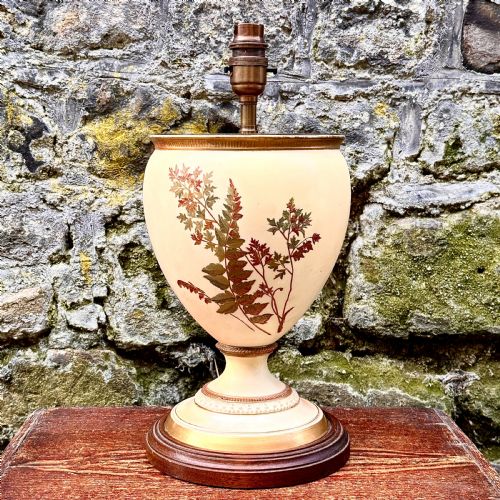
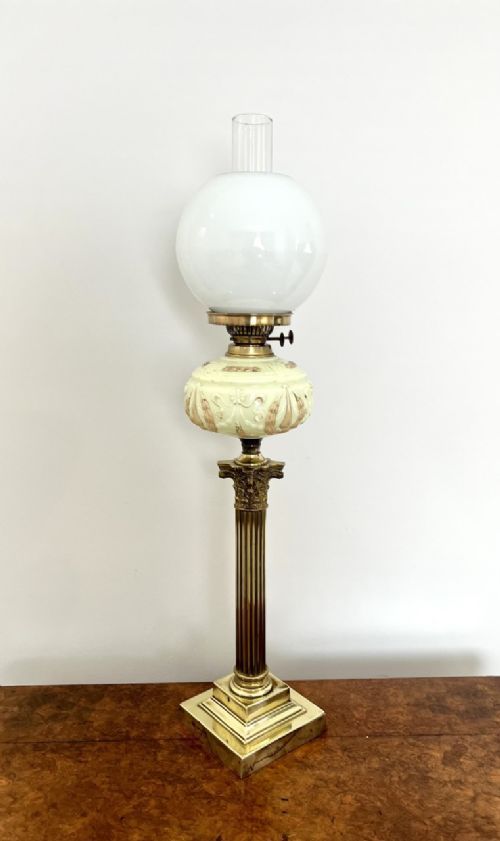
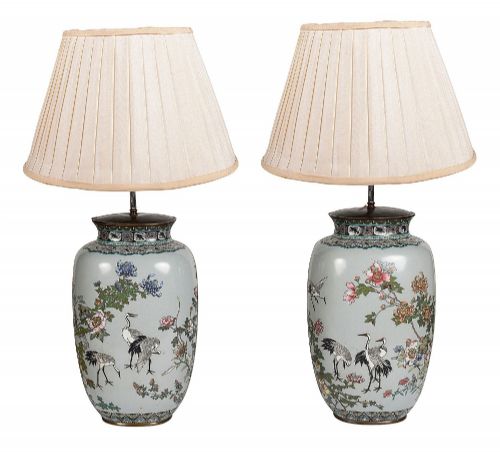
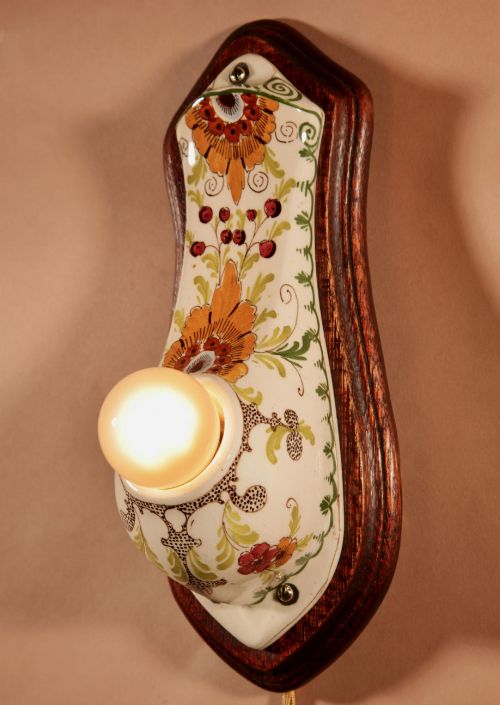
A cream ceramic lamp is primarily formed by historical vessels, such as vases, oil lamps and night lights, that have been converted for modern electrical use. These pieces span periods from the 17th century through the Victorian era, Edwardian period, and into the 1920s and 1930s.
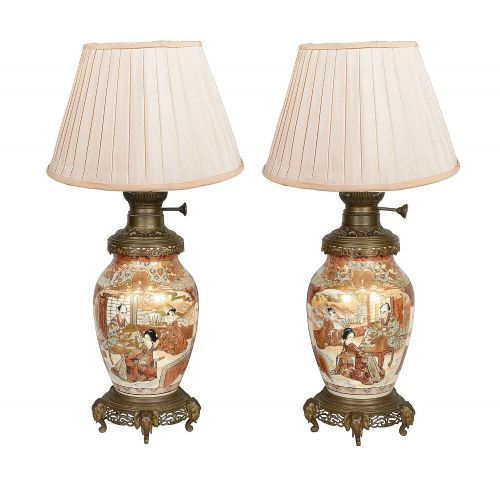
Buyers will encounter significant international variety on this page, including Japanese Satsuma and Meiji period pieces, Chinese export and Qing dynasty porcelain, along with European works from French, Dutch, German and English makers.
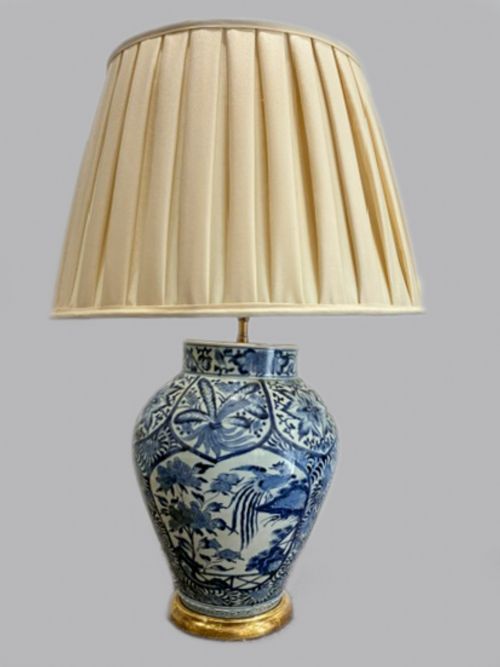
The body of the lamp often displays traditional motifs, crackleware glazes or blue and white painting beneath the neutral cream ground, mounted with brass, bronze or ormolu fittings.
Materials and construction
The foundation of these lamps lies in fired clay bodies, specifically porcelain, earthenware, creamware and faience, shaped by hand or on a wheel before glazing.
Makers finished the ceramic vessels with metal mounts in brass, bronze, or ormolu to secure the electrical or oil-burning components, frequently pairing the finished body with fabric or silk shades.
Materials range from delicate silk and fabric shades to heavy brass, bronze and ormolu mountings.
Distinctions in quality
Quality rests in the crispness of the ceramic moulding, the depth and stability of the glaze, and the artistic merit of hand-painted details found on Satsuma, blue and white, or crackleware bodies.
The integrity of the metal mounts and the skill with which the original vase or oil lamp was adapted for modern lighting without damaging the antique ceramic body determine the standard of the piece.
Royal Worcester·Ernst Bohne Sohn·Fukagawa
The Cream Ceramic Lamp Glossary
- Satsuma
- A type of Japanese earthenware with a ivory-coloured, crackled glaze that is typically decorated with polychrome and gilt enamels. These wares were frequently converted into table lamps during the late 19th and early 20th centuries.
- Cracklware
- Pottery or porcelain featuring a network of fine cracks in the glaze, intentionally created during the firing process. This finish appears across multiple 19th-century Chinese and French pieces.
- Blanc de Chine
- A white porcelain made in Dehua, China, known for its milky cream or ivory tone. Pieces in this style often take the form of figures like Shi lions.
- Faience
- Tin-glazed earthenware produced in various European centres, notably during the 19th century. It provides a smooth, opaque cream surface suitable for oil lamp bodies.
- Torchere
- A tall stand or standard lamp designed to hold a light source. The evidence includes torchere vase standard lamps from the 1920s.
Cream Ceramic Lamp: Frequently Asked Questions
What is a cream ceramic lamp made from?
These lamps are constructed from historical ceramic bodies such as porcelain, earthenware, creamware, and faience. Many originated as vases, oil lamps, or temple vessels before being converted.
Metal components in brass, bronze, or ormolu are typically integrated into the structure to support the electrical fittings and wiring.
How do I date a ceramic lamp?
Dating relies on the stylistic markers of the ceramic body, such as Meiji period Japanese designs, Chinese Qing dynasty aesthetics, or Art Deco geometric forms. Glaze characteristics, crackle patterns, and associated metal mounts also provide clear chronological clues.
Makers' marks stamped or painted on the base of the porcelain offer the most precise indication of origin and period.
Are these lamps converted from old vases?
Many examples listed here began life as 17th, 18th, or 19th-century vases, oil lamps, and night lights. Artisans subsequently adapted these vessels into table lamps by drilling the base or securing custom metal fittings.
This method of conversion preserves the decorative integrity of antique porcelain while making it functional for contemporary interiors.
How do I style a ceramic lamp at home?
The neutral cream tones of these ceramic and porcelain bodies allow them to sit comfortably within both traditional and modern schemes. Pairing them with fabric or silk shades softens the light and complements the historic glaze.
They function effectively as statement pieces on side tables, sideboards, or as larger floor-standing torchere standards.