



Etched Floral Glass Vase
An etched floral glass vase brings organic botanical detail into a room through layered glasswork and acid treatment.

Etched Floral Glass Vase
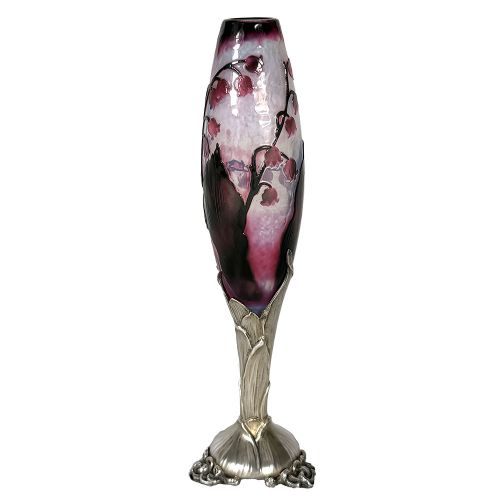
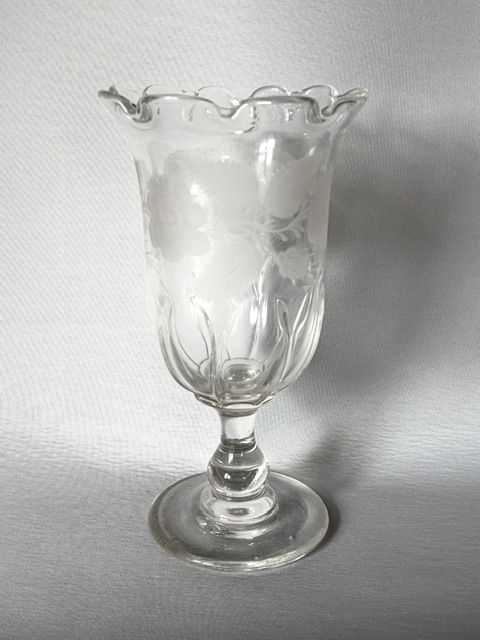
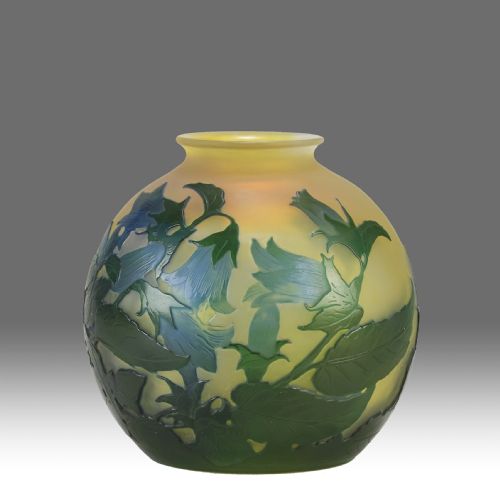
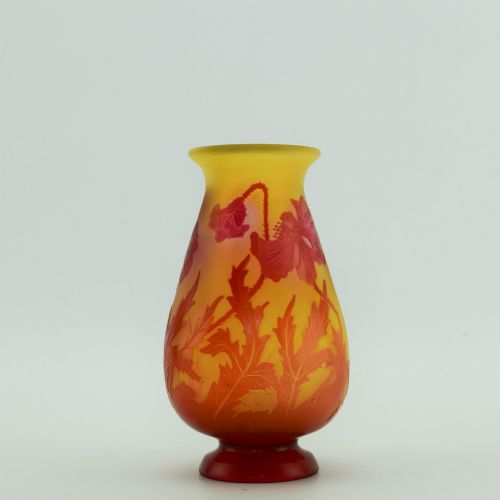
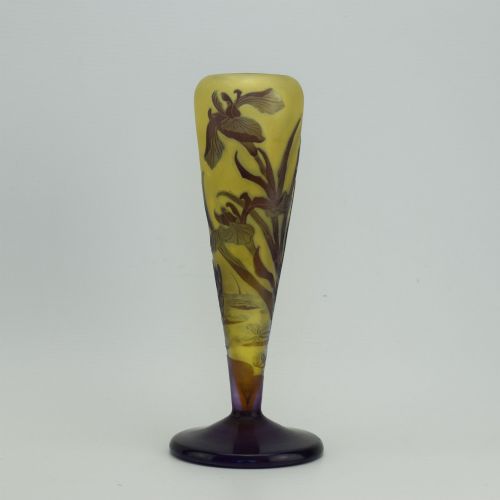
When you search for an etched floral glass vase, you encounter vessels shaped from the Victorian era into the early twentieth century. These pieces display naturalistic plant forms such as campanula, poppies, iris, and sweet peas rendered across the body of the glass.
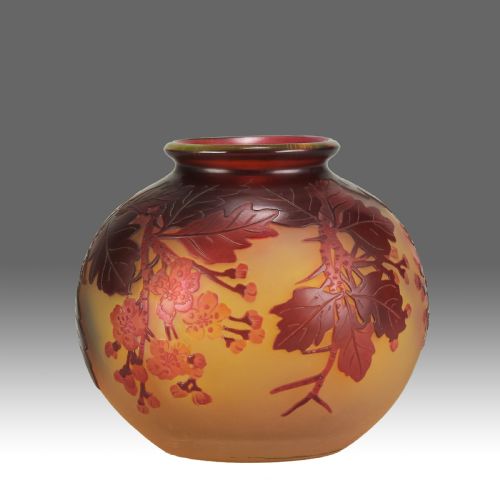
The most common examples you meet on this page belong to the Art Nouveau period, particularly French cameo glass output from around nineteen hundred. Makers utilised acid-etching techniques and multi-layered glass to depict flowers in relief against contrasting backgrounds.
Vessels range from large floor-standing celery vases of the Victorian period to smaller banjo and footed shapes produced by established French glasshouses. Each piece uses botanical motifs as a primary decorative driver, capturing stems and petals across curved surfaces.
How they were made
The makers built these vessels using multiple layers of coloured glass gathered onto a central core before shaping. Acid etching removed selected outer layers to reveal contrasting colours beneath, creating depth within the floral design.
Some workshops added enamel work and gold leaf details directly onto the surface to accentuate the botanical subject matter. Frosted glass backgrounds often provided a matte contrast to polished or cameo-carved floral motifs.
Techniques combined chemical acid baths with hand-carving to achieve precise gradients in the petals and stems of flowers like honeysuckle and cornflowers.
Materials recorded across the inventory include multi-layered cameo glass, frosted surfaces, applied enamel, and occasional gold leaf highlights.
What varies in quality
The depth and precision of the cameo carving distinguish finer vessels from standard production. Superior examples show careful control of the acid to create multi-toned floral layers without blurring the outlines of leaves and stems.
The integration of the botanical subject with the form of the vase dictates the artistic success of the piece. Well-executed vases place motifs like iris or poppies so they wrap naturally around the contours of the glass.
The complexity of the glass body, such as the inclusion of multiple colour layers or supplementary enamel and gold leaf, separates standard output from exceptional studio work.
Emile Gallé·Daum Frères·Thomas Webb and Sons·Baccarat·Paul Nicholas
The Etched Floral Glass Vase Glossary
- Cameo Glass
- Glass formed with multiple distinct coloured layers where portions are removed to create a raised design in relief. This technique creates high contrast between the floral motifs and the background.
- Acid-Etched Glass
- Glass exposed to hydrofluoric acid to eat away the surface and produce decorative patterns. It allows for controlled removal of material to define plant stems and petals.
- Frosted Glass
- Glass treated to impart a matte, translucent finish that diffuses light. This surface texture often forms the background behind polished floral cameo work.
- Enamelled Glass
- Glass decorated with melted glass powders that form coloured designs upon firing. Artists applied this method to add fine chromatic details to flowers.
- Art Nouveau
- A design style characterised by fluid, organic lines and floral motifs prevalent around nineteen hundred. This movement heavily influenced the floral glass vessels of the period.
Etched Floral Glass Vase: Frequently Asked Questions
How do I identify an Art Nouveau floral vase?
Look for organic plant motifs like irises, poppies, or sweet peas combined with fluid, curving vessel shapes. These characteristics typically align with French production around the turn of the twentieth century.
Check for maker signatures integrated directly into the cameo design of the glass body. The presence of multi-layered acid-etched colours further points toward this period style.
What is cameo glass?
Cameo glass consists of two or more fused layers of contrasting coloured glass. Artisans carve away the outer layers to leave a raised design standing out against the background.
This method requires precise manual or chemical removal of the glass to achieve fine botanical details. The resulting depth makes floral elements appear distinct from the vessel wall.
How were these vases used?
These vessels functioned primarily as decorative objects for display within domestic interiors. Their botanical designs allowed owners to bring floral imagery into formal rooms.
Certain larger forms, such as Victorian celery vases, served specific table purposes before evolving into purely decorative cabinet pieces. Their primary role remains visual appreciation of glass artistry.
Where were these pieces made?
The pieces originate predominantly from French glasshouses operating during the late nineteenth and early twentieth centuries. Workshops in regions such as Nancy produced significant quantities of cameo glass.
English manufacturers also contributed to the field with distinct styles like cameo fleur vessels. French studios remained central to the development of multi-layered acid-etched botanical designs.
How do I care for antique glass?
Dust the surface gently with a soft, dry cloth to prevent accumulation on raised cameo details. Avoid harsh chemical cleaners that might damage delicate enamel or gold leaf accents.
Display the vessel away from direct sunlight and extreme temperature fluctuations to protect the integrity of the glass. Handle the piece by the body rather than narrow rims or delicate handles.