
Equestrian Canvas Artwork
These equestrian canvas artwork pieces bring the rich tradition of sporting life and equine portraiture into your interior.
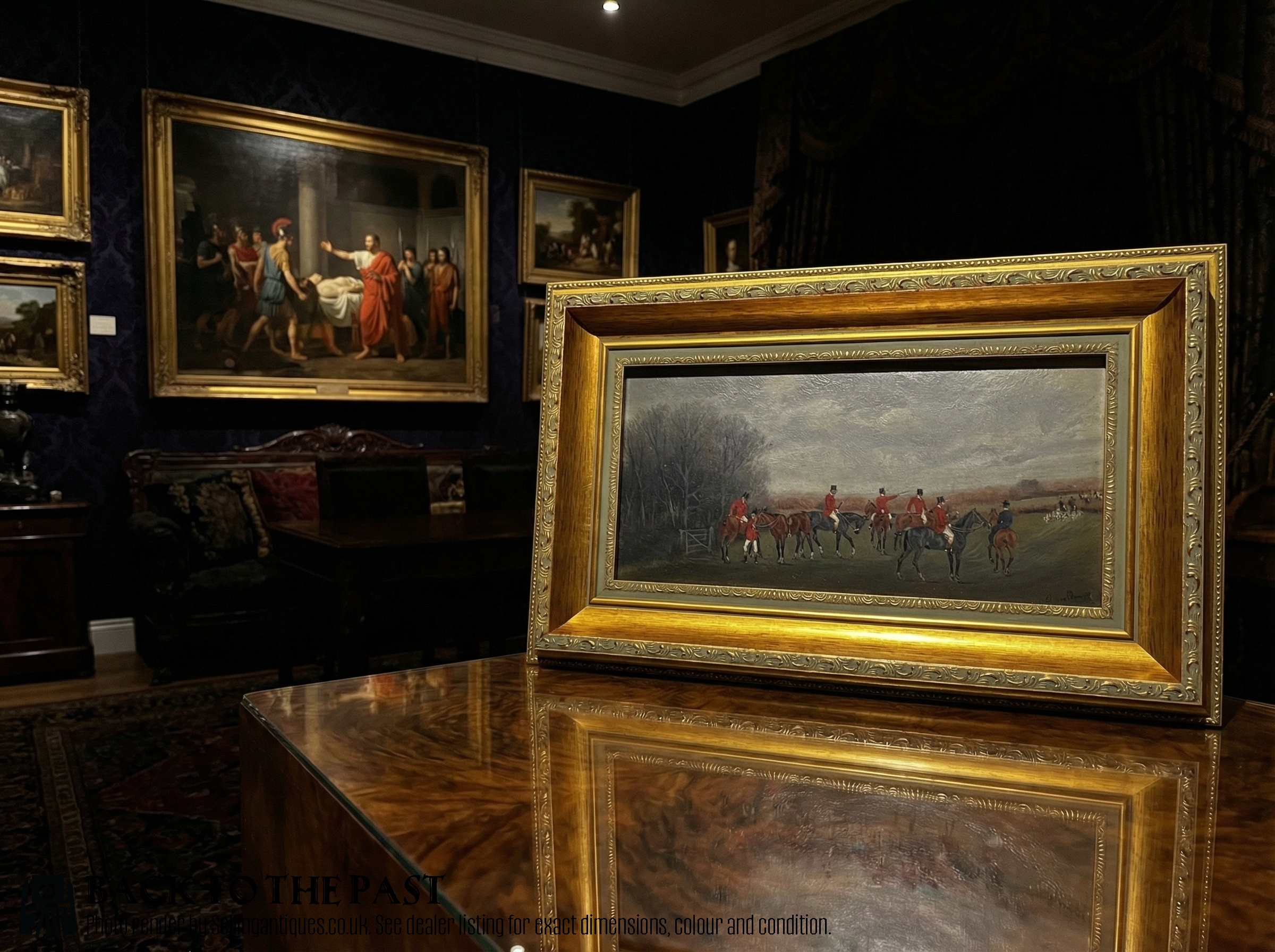
Equestrian Canvas Artwork
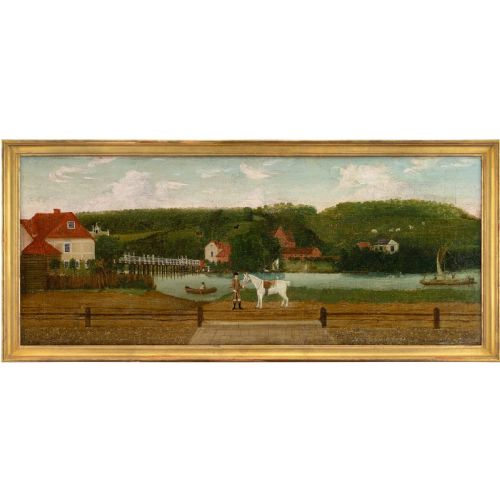
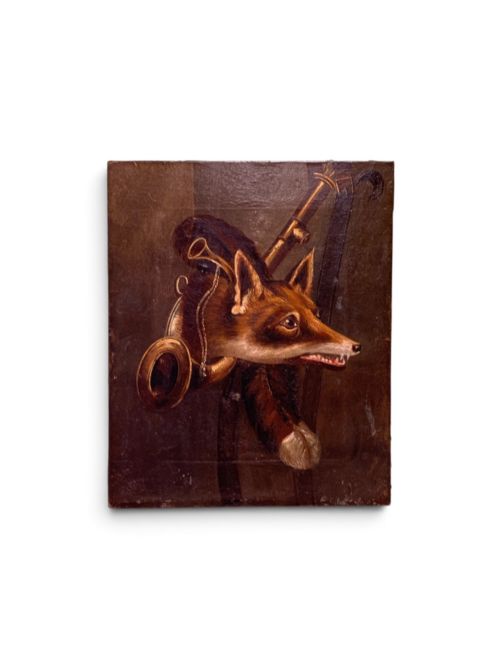
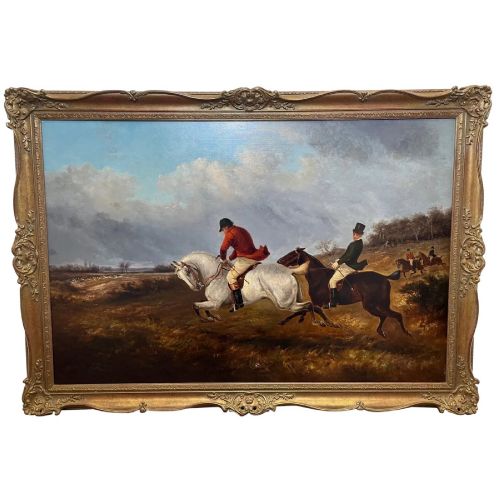
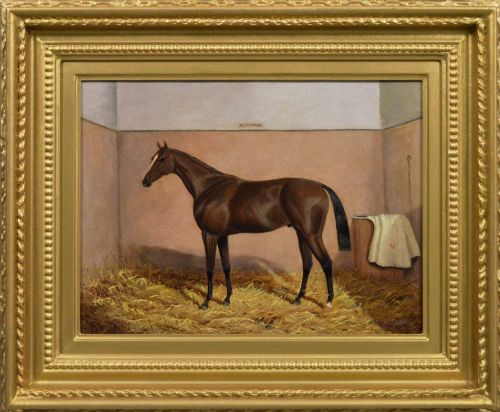
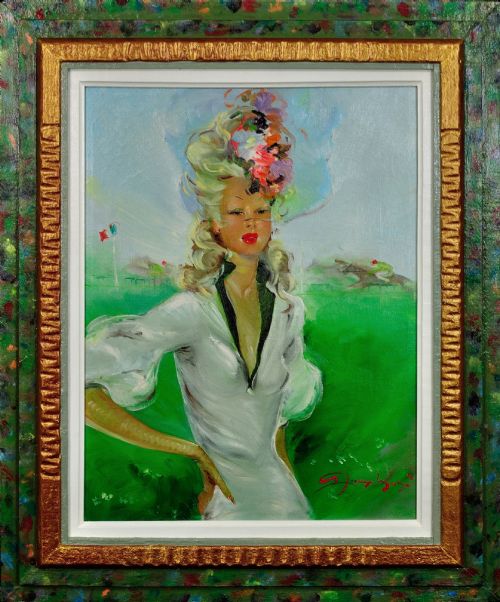
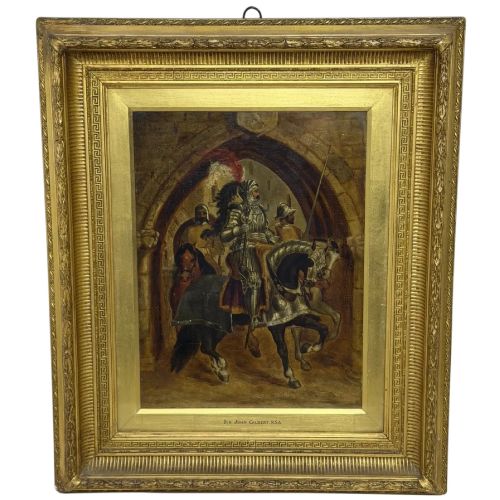
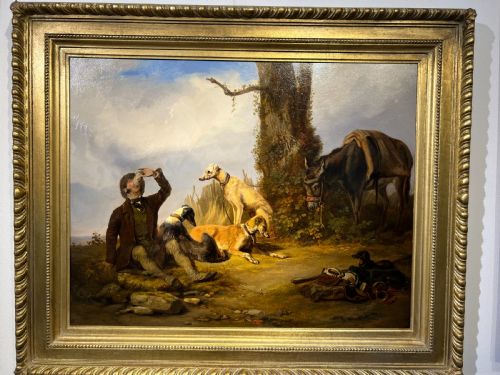
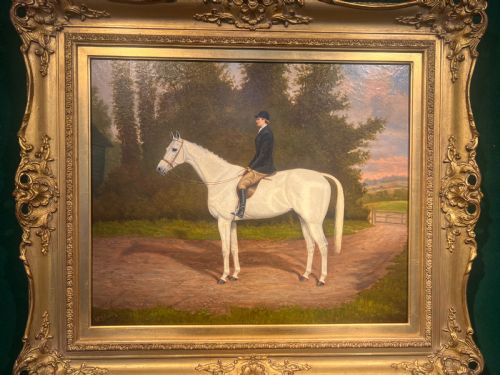
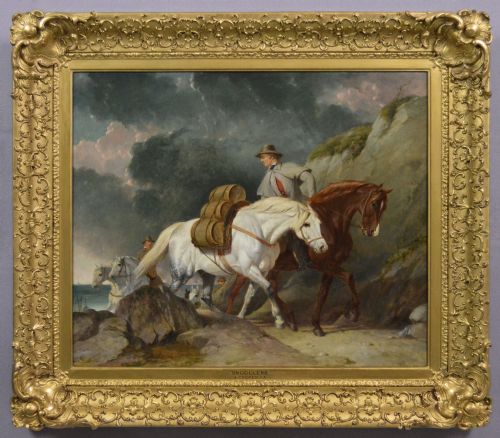
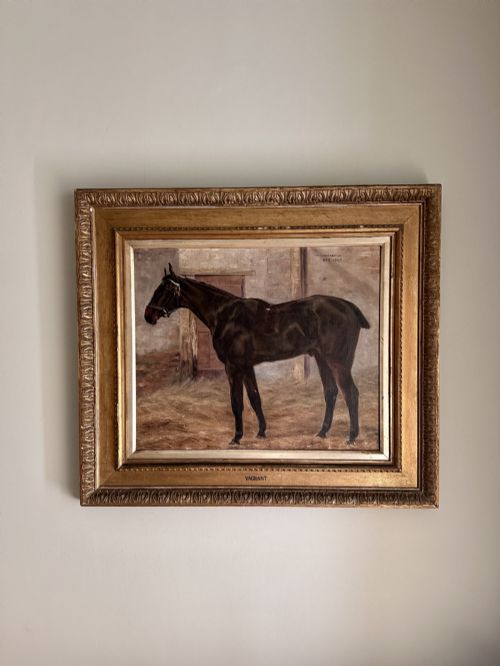
Equestrian canvas artwork encompasses oil paintings on canvas depicting horses, riders, hunt scenes, and racing subjects. The selections span from the Georgian and Victorian eras through the Edwardian period and into the mid twentieth century.
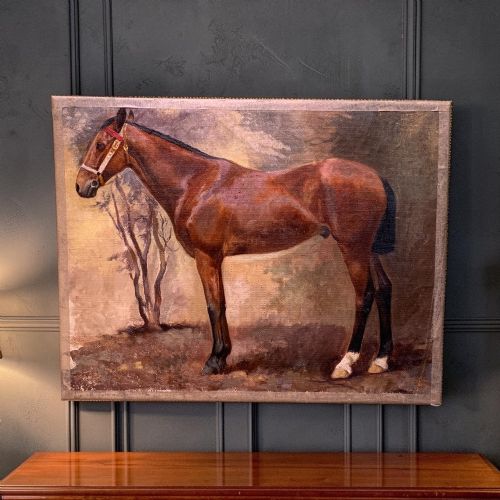
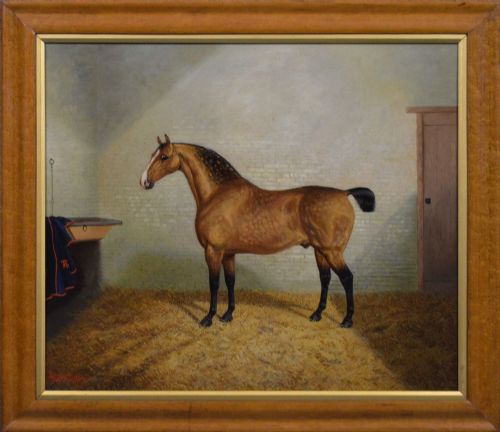
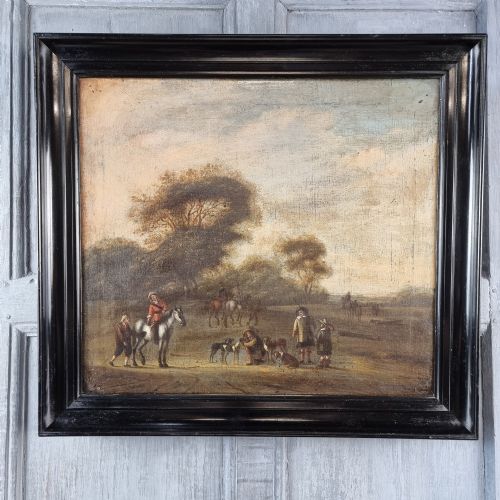
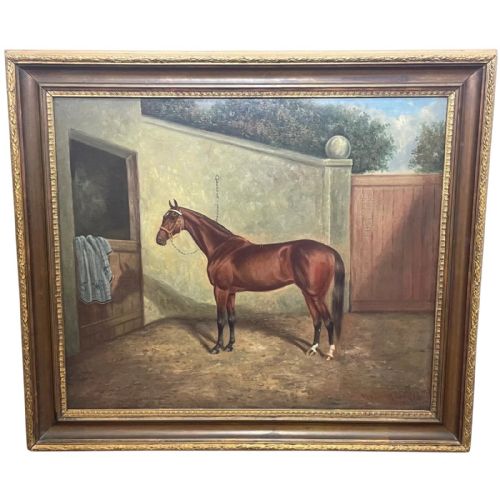
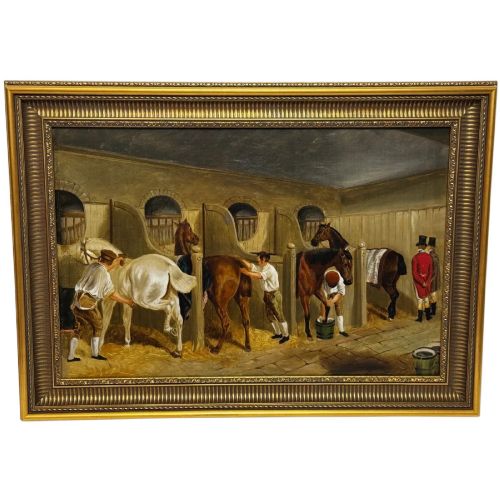
Buyers encounter horse portraits, hunting studies, and landscape scenes featuring working horses or racehorses in stables and pastures. These works originate from British and European schools, reflecting regional sporting traditions.
How they were made
The works utilise oil paint applied to woven canvas stretched over wooden frames, often housed in giltwood or gilt wood surrounds. Artists built up compositions using layered brushwork to capture the sheen of coats and the textures of landscape backgrounds.
Traditional framing typically involved moulded wood, sometimes finished with gilding to complement the palette of the oil painting within.
Listings feature works executed in oil paint on canvas, spanning multiple centuries from the Georgian period through to the 1960s.
What varies in quality
Anatomical precision and the handling of light define the upper tier of these works, where the artist captures the musculature and spirit of the animal with distinct conviction. Weaker examples display rigid forms and flat backgrounds lacking depth.
The subtlety of brushwork in the rendering of horsehair and landscape atmosphere distinguishes masterly compositions from routine studio output.
Thomas Smythe·Albert Clark·Frederick Albert Clark·Sir John Gilbert·Sir Edwin Henry Landseer·Abraham Cooper·Fred Fitzpatrick·Ernest Payne·Edward Priestley·C R Breytle·John Alfred Wheeler·Vernon DeBeauvoir Ward·John Ferneley Senior·Charles Walter Simpson·Harry Freckleton·Raimond Louis Lecourt·John Arthur Lomax·Hazel M Barnett
The Equestrian Canvas Artwork Glossary
- Oil on Canvas
- A painting medium where pigments bound in drying oil are applied to a woven fabric support. This combination allows for rich colour blending and lasting durability.
- Giltwood
- Wood that has been coated with a thin layer of gold leaf or gilt powder. It is frequently utilised for traditional picture frames.
- Sporting Art
- Genre of fine art dedicated to the depiction of sport, hunting, shooting, and equine subjects. It holds a prominent place in British painting traditions.
- Equine Portrait
- A painting specifically focused on recording the likeness and conformation of an individual horse. These works often name celebrated racehorses or hunters.
Equestrian Canvas Artwork: Frequently Asked Questions
What periods do these paintings cover?
The available selection spans from the 17th century through the Victorian and Edwardian eras up to the mid 20th century. Works reflect the changing artistic styles of each respective decade.
Victorian and Georgian sporting pieces sit alongside later 20th century interpretations of ponies and racing subjects.
How should I hang a framed oil painting?
Ensure your wall can support the weight of the wood and canvas structure, utilising appropriate fixings for the specific wall type. Hang the piece at eye level away from direct heat sources and strong sunlight.
Stable indoor humidity helps preserve both the canvas support and the original giltwood frame.
Are all these works British in origin?
While a significant proportion represents British sporting art and local realisms, continental European works also appear in the selection. French provincial and broader European scenes introduce variety in regional subject matter.
Signatures, framing styles, and recorded provenances often provide clues to the specific geographic origin of each canvas.
What subjects feature besides individual horses?
Common motifs include fox hunting scenes, stable interiors, racehorses with jockeys, and working horses within rural landscapes. Some compositions incorporate architectural elements or steam locomotives set against countryside backdrops.
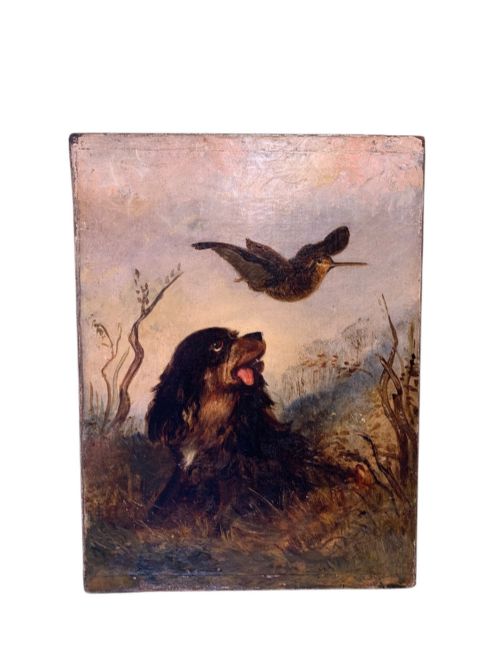
Dogs, particularly spaniels, also appear alongside the equine figures in traditional sporting contexts.