
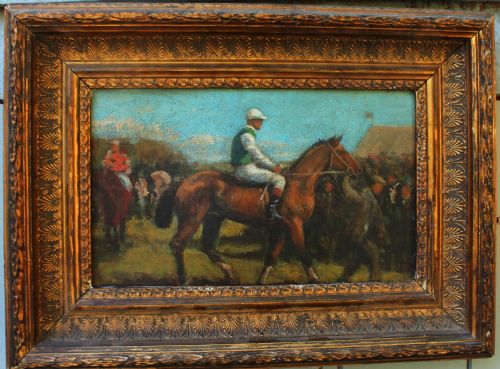


20th Century Sporting Art
These pieces of 20th century sporting art capture the movement of horses, dogs and athletes through oil, watercolour and bronze.
20th Century Sporting Art
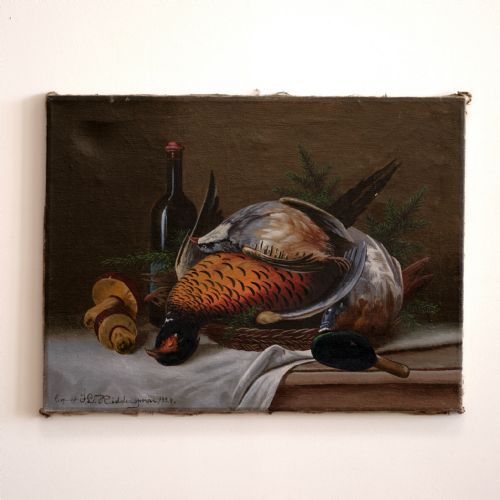
When you search for 20th century sporting art, you encounter paintings, watercolours, bronze sculptures and carved decoys celebrating rural pursuits and athletic competition. The selections span Edwardian scenes through to Mid-Century Modern works, capturing horses, hounds, anglers, and cricketers.
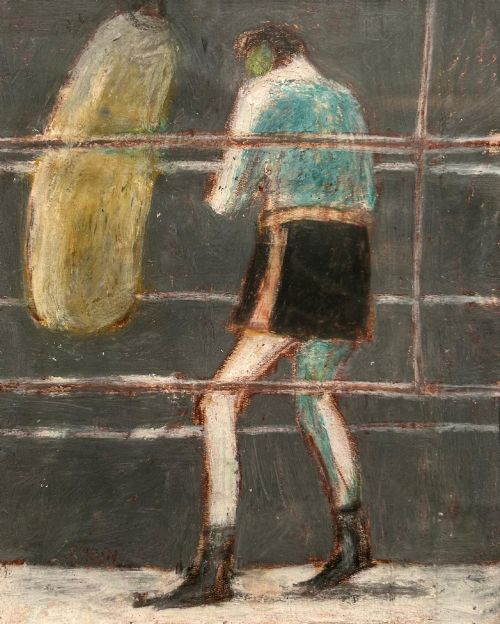
Oil paintings on canvas and gouache works on paper dominate the selection, alongside carved wooden figures and folk art decoys. These pieces reflect specific British and European traditions of depicting sport, from racing paddocks to boxing rings and hunting fields.
Materials and techniques
Artists relied on oil paint and watercolour applied to canvas and paper, capturing fluid movement with rapid brushstrokes. Sculptors utilised bronze casting for dynamic figures, while makers carved solid wood to produce tactile decoys and statues.
Works on paper employ ink and gouache alongside watercolour to delineate sharp details of horses and riders. Canvases display heavy oil layers that build texture, particularly in racing and hunting scenes.
Listings feature oil paintings, watercolours, and bronze sculptures created across various decades of the twentieth century.
Distinctions in quality
Quality rests upon the artist's command of anatomy and motion, separating static depictions from works that convey the exact strain of a galloping horse or a boxer mid-swing. Finer pieces demonstrate confident draftsmanship in the underlying sketch and deliberate control of medium.
Sculptural works distinguish themselves through crisp casting detail and sensitive hand-painting on carved wooden surfaces. The reputation of the maker and the specificity of the subject matter elevate individual pieces within the genre.
James Stroudley·Samuel Rabin·John Rattenbury Skeaping·Gertrude Halsband·Charles Clifford Turner·Michael Lyne·Thomas Ivester Lloyd·Rudolf Küchler·W.E. Barrington-Browne·Geoffrey Mortimer·Frank Giggs
The 20th Century Sporting Art Glossary
- Gouache
- An opaque water-based paint that dries to a matte finish. It provides strong blocks of flat colour in works on paper.
- Decoy
- A carved wooden bird or animal used historically in hunting. Artisans carved and hand-painted these objects with distinct folk art characteristics.
- Triptych
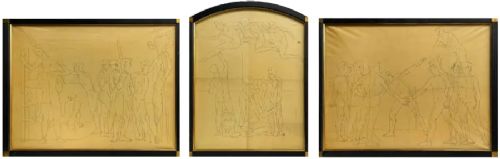
- A work of art divided into three sections or panels. These connected panels display sequential moments of an athletic event.
- Paddock
- An enclosure where horses are saddled and paraded before a race. Artists frequently recorded these pre-race moments in oil and watercolour.
- Bronze
- An alloy of copper and tin cast into sculptural forms. This material allows artists to capture fine anatomical details in athletic figures.
20th Century Sporting Art: Frequently Asked Questions
What subjects appear in this art?
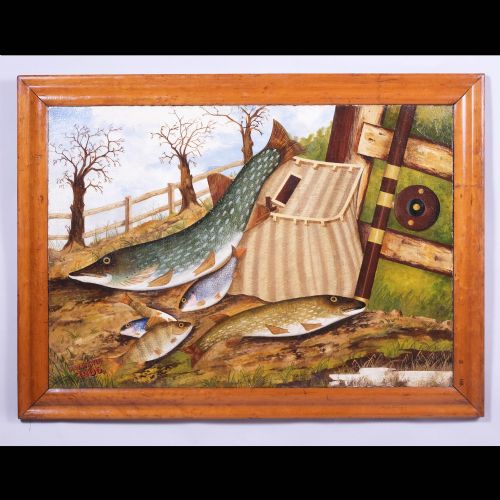
The works depict horse racing, hunting scenes, boxing, cricket matches, and fishing expeditions. Artists also recorded Olympic games, decoy ducks, and individual athletes.
Animals feature prominently, particularly horses in motion, spaniels, and decoy birds carved from solid wood.
How do I identify the period?
Dates rely on artist signatures, framing styles, and stylistic movements such as Mid-Century Modern or Edwardian realism. Mediums like oil on canvas and watercolour on paper span the decades from nineteen-hundred to nineteen-eighty.
Clothing styles on jockeys and spectators also indicate the specific era within the twentieth century.
Where should I hang these paintings?
These works suit studies, living rooms, and hallways, often pairing well with traditional wooden furniture or neutral walls. Framed watercolours require placement away from direct sunlight to protect the paper and pigments.
Oil paintings on canvas tolerate ambient room conditions well when securely framed.
Are bronze sculptures heavy?
Bronze figures possess substantial weight due to the density of the metal alloy used in casting. They require stable surfaces such as sideboards or heavy mantelpieces for safe display.
Wooden carvings and decoys offer lighter alternatives while maintaining similar folk art aesthetics.