
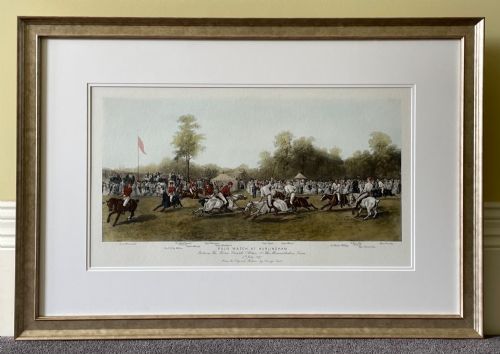
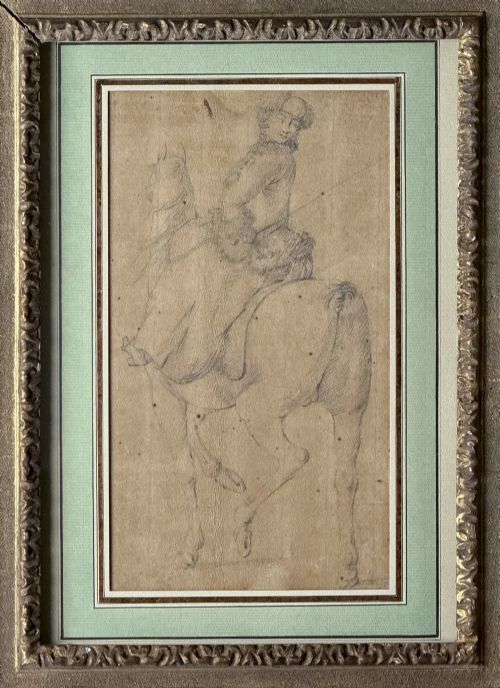
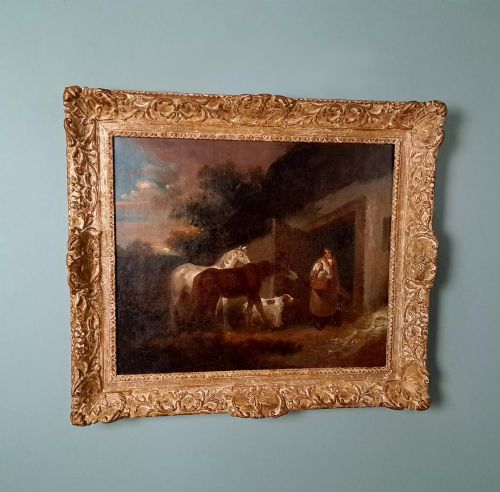
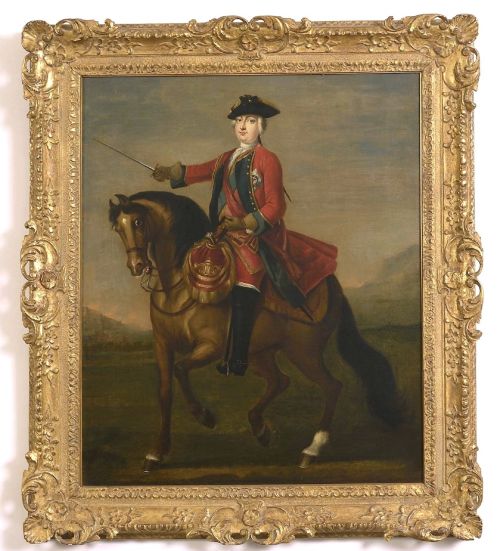
Antique Horse Art Framed
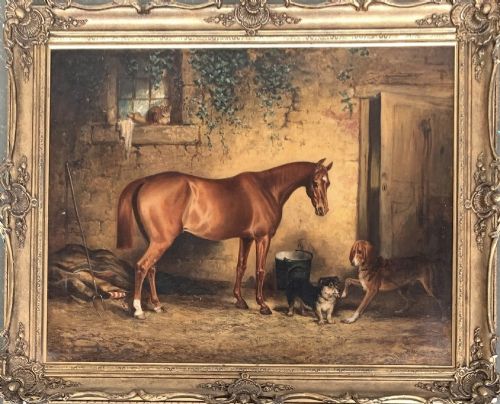
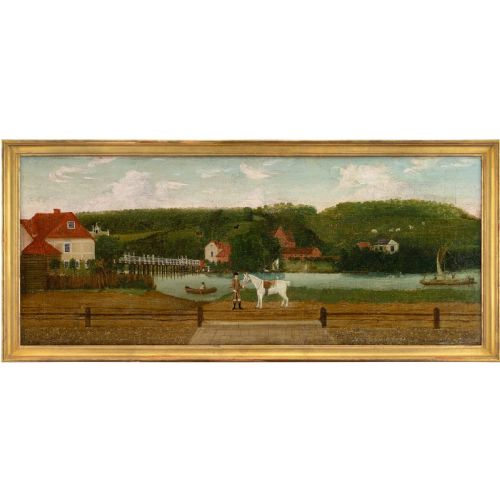
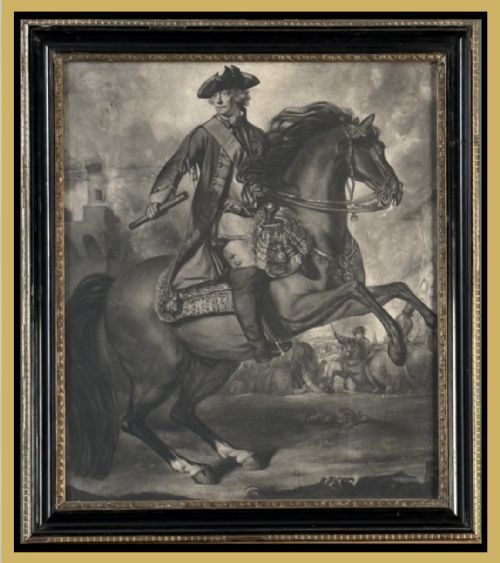
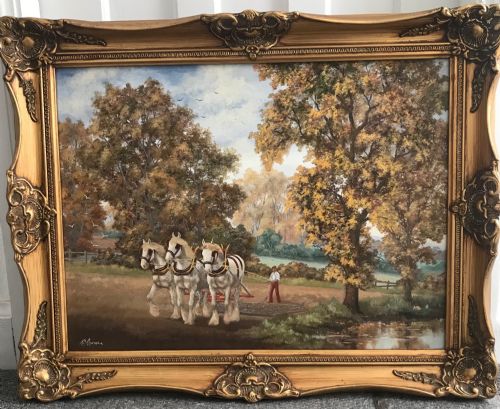
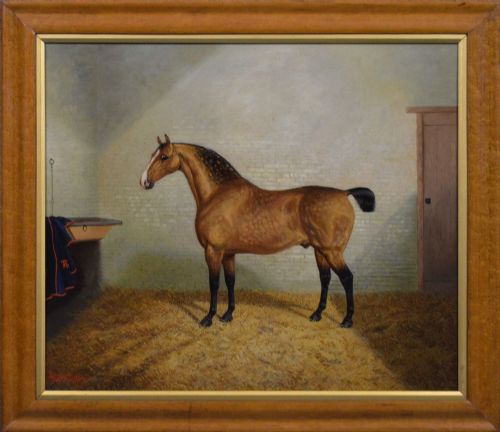
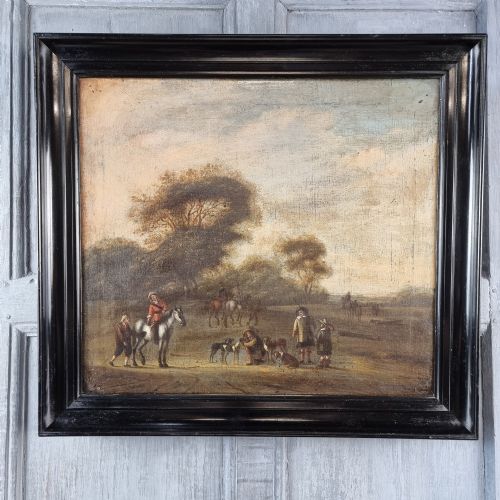
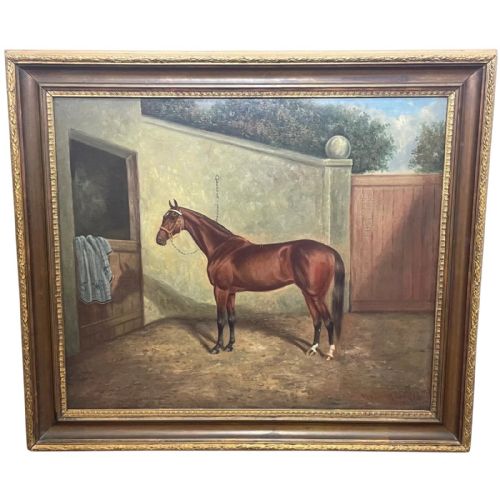
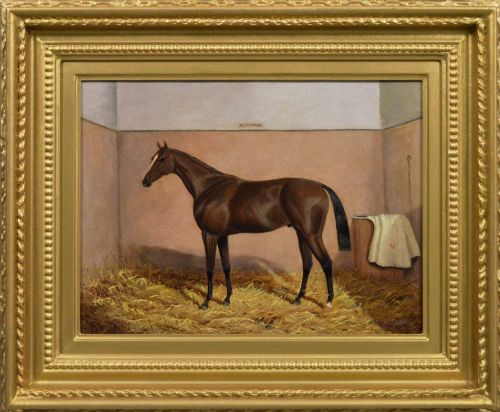
Antique horse art framed brings centuries of equine devotion onto the wall, spanning oils on canvas, delicate watercolours, and early prints.
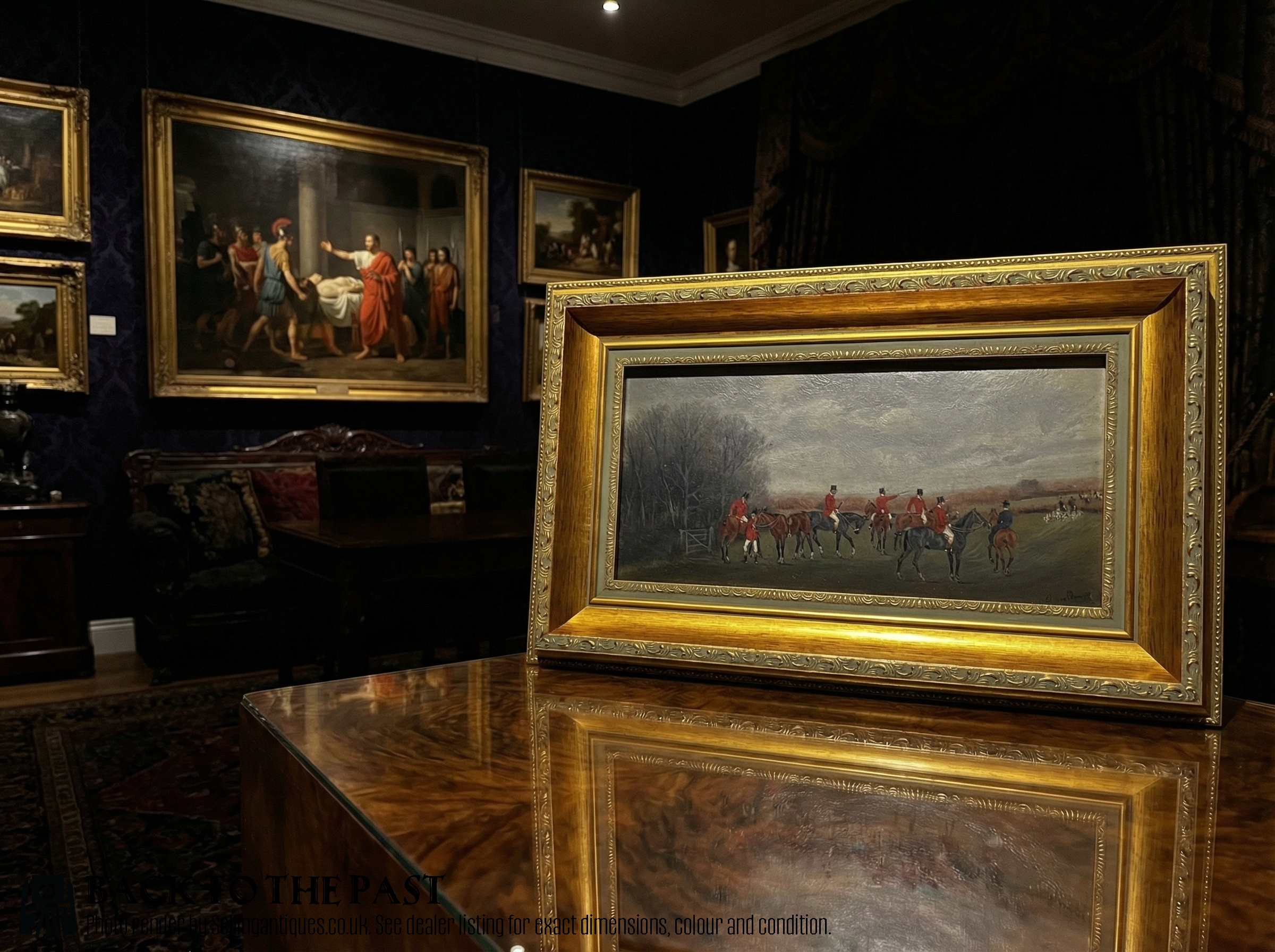
Antique Horse Art Framed
When you search for antique horse art framed, you encounter a rich tradition of equine depiction ranging from rigorous 18th-century portraiture to vibrant Victorian sporting scenes.
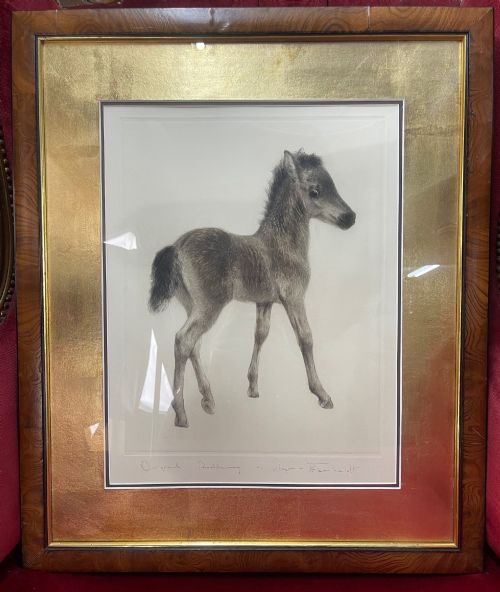
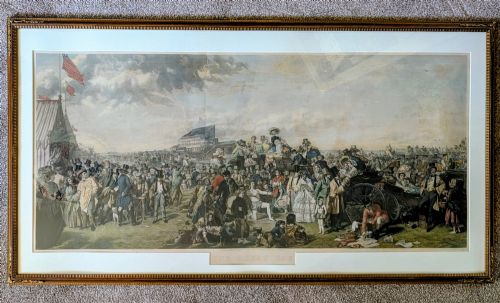
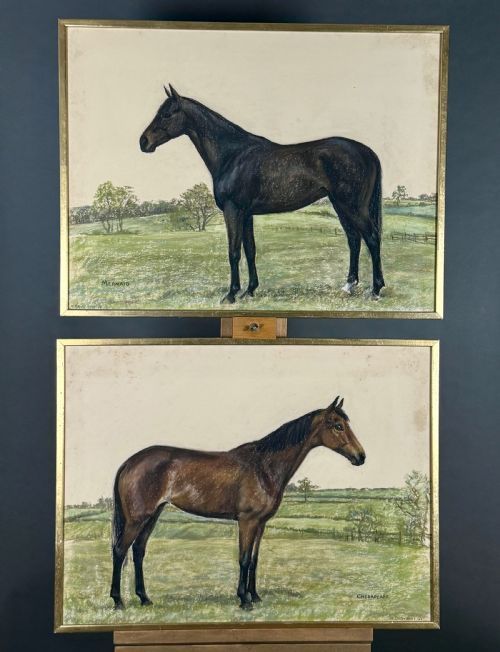
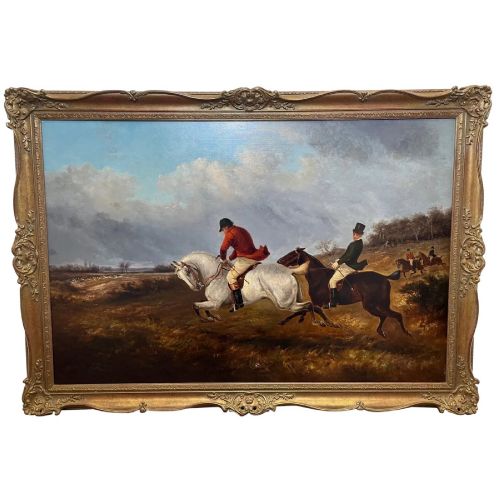
The pieces on this page appear in various mediums, most notably oil paintings on canvas or panel, alongside framed prints, watercolours, lithographs, and pastels housed behind glass.
Subjects span titled racehorses, hunting studs, coaching scenes, and rural landscapes, often preserved in their original giltwood or wooden frames.
Materials and Techniques
The physical works rely on traditional supports such as canvas, heavy paper, and wood panels, marked by the application of oil paint, watercolour, pastel, or ink.
Framing forms an integral component, utilising carved giltwood and timber moulding designed to protect and elevate the artwork within.
Listings span periods from the 17th century to the 1960s, executed in oil on canvas, paper, and giltwood.
Assessing Quality
Quality rests upon the artist's command of equine anatomy and the preservation of the medium, whether dealing with the crisp lines of an engraving or the layered brushwork of an oil portrait.
The integrity of the original frame and the clarity of provenance further distinguish standard prints from master studies.
Edward Fisher·Thomas Smythe·Albert Clark·Henry Barraud·George Wright
The Antique Horse Art Framed Glossary
- Mezzotint
- A printmaking process of the intaglio family, where the plate is roughened to achieve rich tones and subtle gradations.
- Lithograph
- A planographic printing method using a stone or metal plate, allowing for detailed reproduction of original drawings.
- Giltwood
- Wood that has been coated with gold leaf or a gold-coloured substance, commonly seen on period picture frames.
- Aquatint
- A printmaking technique that produces tonal effects resembling watercolours through the use of acid-etched printing plates.
Antique Horse Art Framed: Frequently Asked Questions
What periods do these pieces cover?
The collection spans several centuries, starting from the 17th century and moving through the Georgian, Victorian, and Edwardian eras into the mid-20th century.
This broad timeline captures shifting artistic styles in British and European equine depiction.
How should I hang framed horse art?
Consider the weight of the frame, particularly with large oil paintings on canvas which often require robust wall fixings.
Keep them away from direct sunlight to protect pigments and paper from fading over time.
Are the frames original to the art?
Many pieces retain their period frames, such as giltwood or oak mouldings contemporary to the creation date of the artwork.
Original framing enhances the historical integrity of the piece.