





Engraved Presentation Trophy
An engraved presentation trophy carries the weight of past victories in silver, copper, and Sheffield plate.
Engraved Presentation Trophy
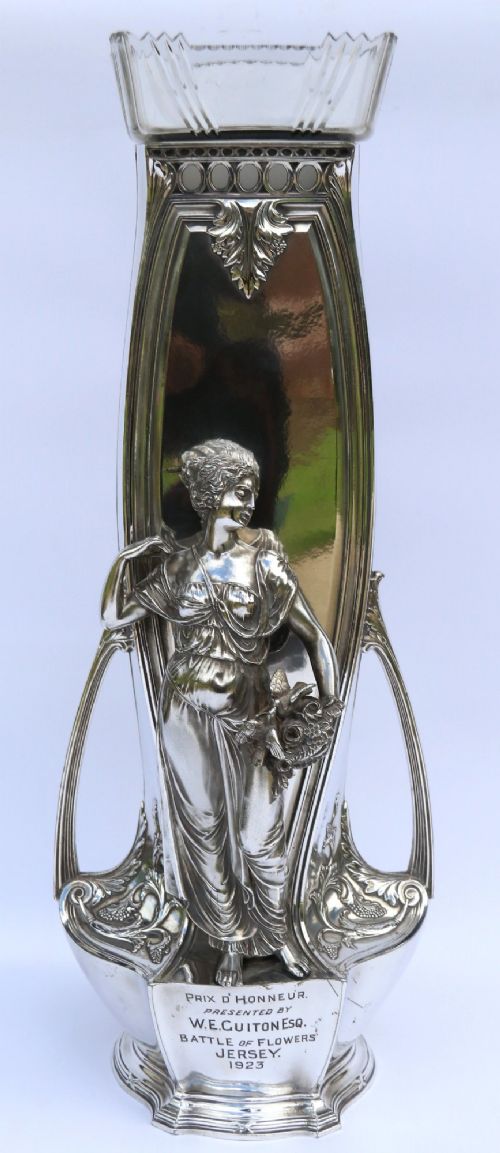
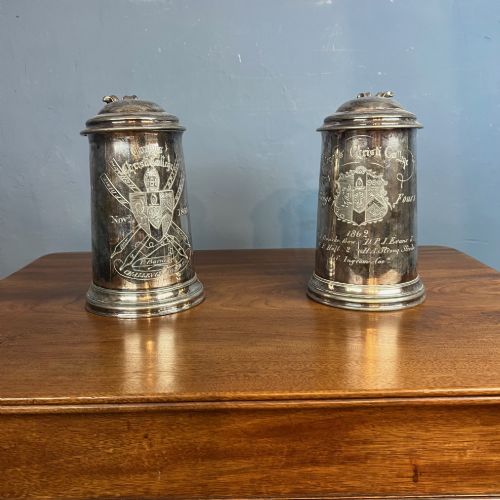
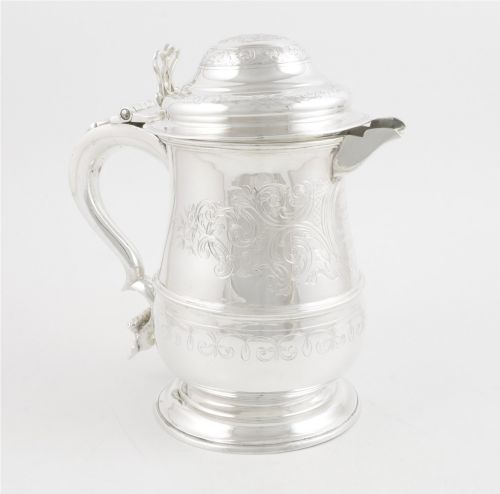
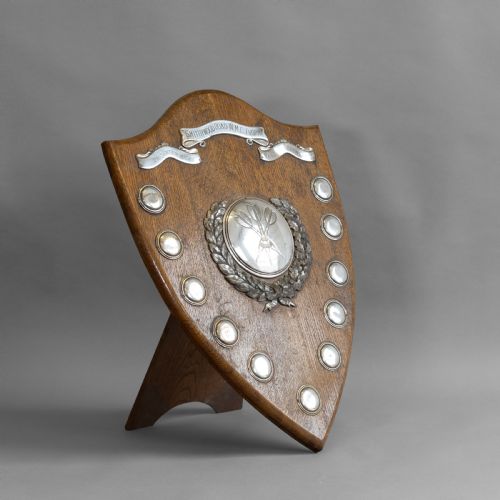
An engraved presentation trophy is a commemorative vessel marking athletic or academic achievements from the eighteenth, nineteenth, and early twentieth centuries. These pieces take the form of loving cups, goblets, pitchers, jugs, and decorative urns created to honour a specific event or recipient.
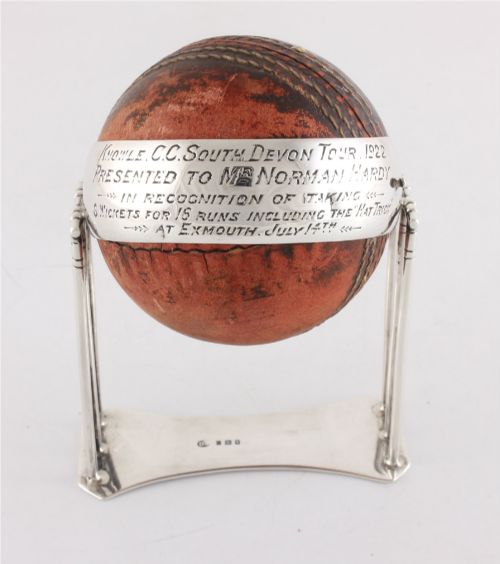
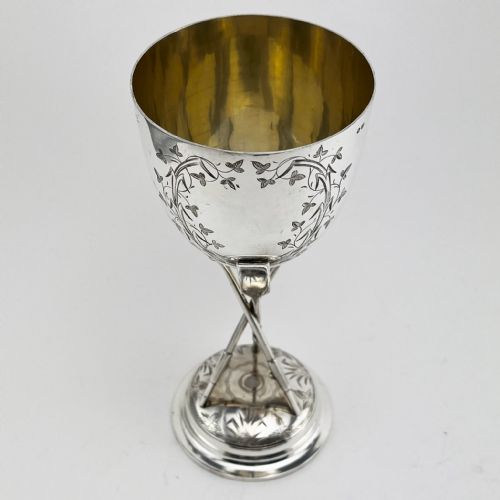
The versions most commonly met on this page range from Georgian Old Sheffield plate items to Victorian sterling silver cricket and rowing cups. Makers across England, Ireland, China, and India applied detailed hand-engraving to record university sports, college events, and club competitions.
Objects span several stylistic traditions including Georgian, Victorian, George V, Regency, and Chinese Export. Each piece serves as a physical record of historical competition, often bearing dates, institutional names, and dedications upon its surface.
Materials and Construction
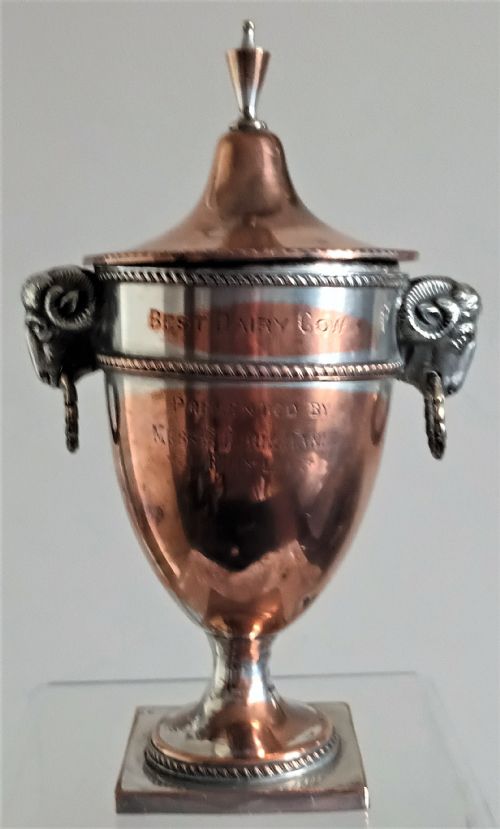
Silversmiths constructed these vessels primarily in sterling silver, silver plate, Old Sheffield plate, and copper, frequently employing silver gilt for internal highlights. Old Sheffield plate combined a thin layer of silver fused to a copper base, whilst later nineteenth-century pieces utilised electroplated nickel silver or solid sterling.
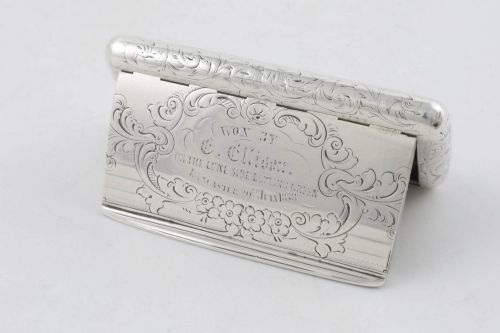
Decoration relied upon hand-engraving to etch inscriptions, crests, and floral motifs directly into the metal body. Master craftsmen formed the hollowware bodies through spinning, hammering, and soldering, attaching cast handles and bases to complete the cups and urns.
Engraved Presentation Trophy Retail Price Guide 2026
Typical asking prices for engraved presentation trophy among the pieces listed under this phrase on Sellingantiques today, from the lower quarter to the upper quarter. They describe what is for sale here now, not the wider market.
Listings feature presentation trophies spanning the eighteenth, nineteenth, and twentieth centuries in materials including sterling silver, copper, and Old Sheffield plate.
Assessing Quality and Craftsmanship
The distinction between standard utility items and superior presentation pieces lies in the crispness of the hand-engraving and the weight of the metal. Fine examples display deep, deliberate letterforms and heraldic crests executed by skilled artisans rather than hurried machine marking.
Proportion and casting detail also determine the character of a cup, with better items featuring substantial handles, balanced bases, and clean solder joins. The quality of the plating or the purity of the sterling silver defines the longevity and visual depth of the surface.
Henry Tatton And Son
The Engraved Presentation Trophy Glossary
- Old Sheffield Plate
- An early form of plated metal produced by fusing a sheet of silver to a copper core. This technique predates modern electroplating and leaves characteristic copper edges where the base metal shows through.
- Sterling Silver
- A silver alloy containing substantial pure silver combined with other metals to increase durability. Pieces marked with sterling standards represent the higher tier of metal composition.
- Loving Cup
- A large drinking vessel featuring two or three handles, traditionally passed among guests at banquets and celebrations. Many presentation trophies take this specific historical form.
- Silver Gilt
- Silver that has been coated with a thin layer of gold on its interior or exterior surfaces. This treatment protects the metal and provides a rich two-tone appearance.
- Chinese Export
- Silverware and objects manufactured in China specifically for Western markets during the nineteenth century. These pieces often incorporate traditional local motifs alongside European vessel forms.
Engraved Presentation Trophy: Frequently Asked Questions
How were these trophies used?
These vessels functioned primarily as commemorative awards presented at university sports days, rowing regattas, and cricket matches. Winning teams or individuals received them to display pride in their athletic achievements.
Larger loving cups also served a communal function at banquets, where participants passed the filled vessel around the table during celebrations. Over time, many transitioned from active sporting prizes to decorative family heirlooms.
How do I tell Old Sheffield plate from sterling silver?
Old Sheffield plate consists of a thin layer of silver fused over a copper base, which can sometimes be seen wearing through at high points or edges to reveal the reddish copper underneath. Sterling silver is a solid alloy throughout and will bear appropriate hallmarks indicating its purity.
Checking the interior or base under a strong light often reveals the subtle colour differences between solid silver and plated base metals. Hallmarks, or the absence thereof, provide the definitive guide to a piece's material composition.
How should I clean a silver presentation trophy?
Cleaning antique silver requires a gentle approach using a specialist silver polish and a soft cloth to preserve the delicate hand-engraved inscriptions. Harsh abrasives or chemical dips should be avoided because they strip the natural patina and can damage Old Sheffield plating.
Regular dusting and minimal polishing maintain the lustre of the metal without wearing away the fine details of the engraving. For plated items, extra care prevents the underlying copper from becoming exposed through aggressive rubbing.