


English Walnut Drawers
English walnut drawers span from seventeenth-century oyster veneers to twentieth-century Art Deco pieces, offering rich grain patterns and practical storage for any interior.
English Walnut Drawers
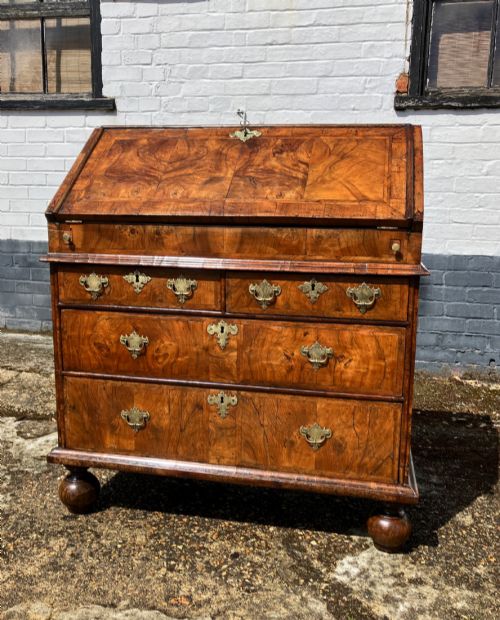
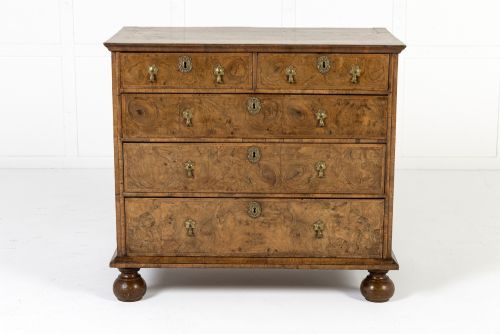
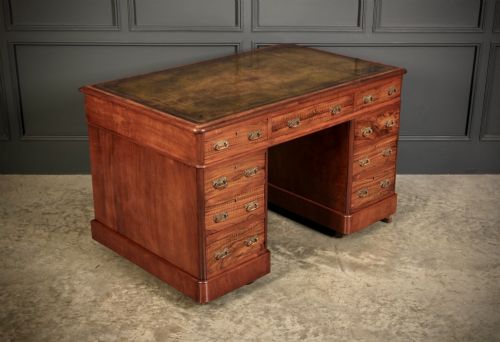
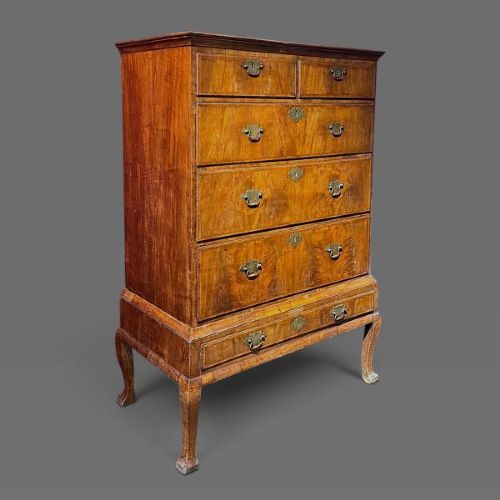
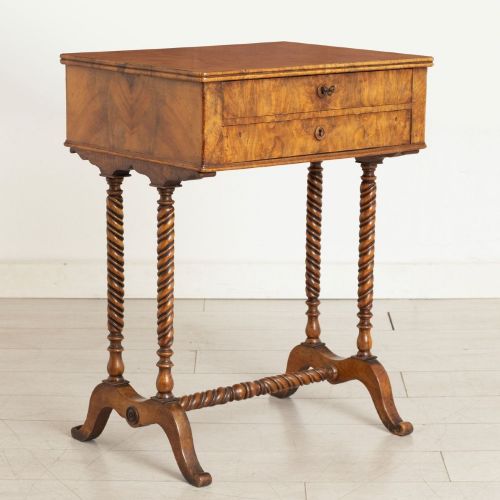
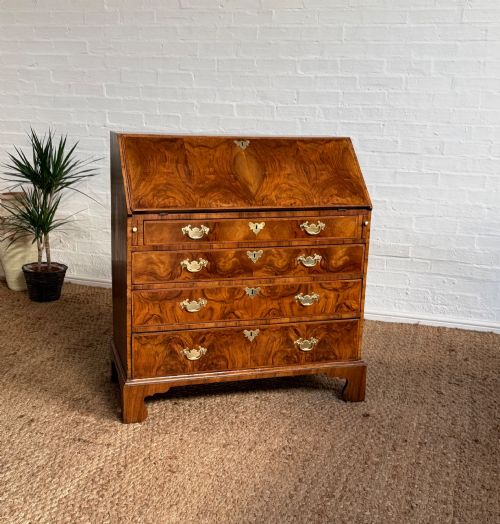
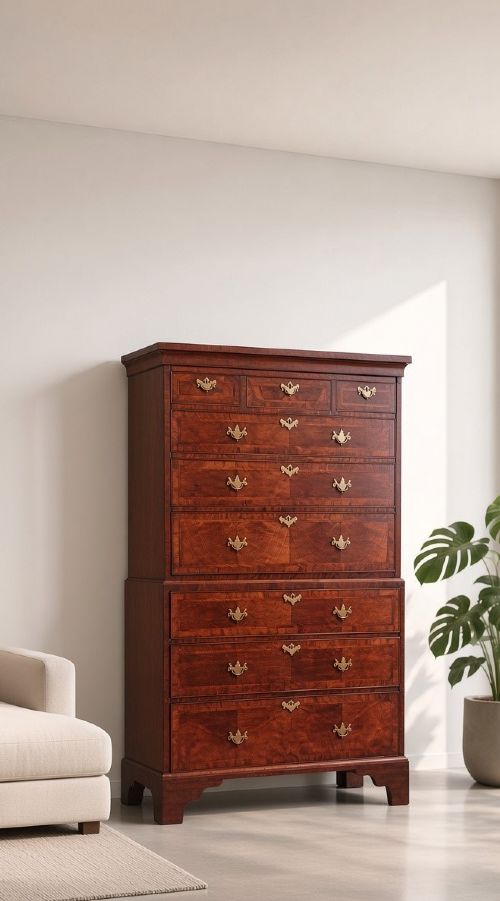
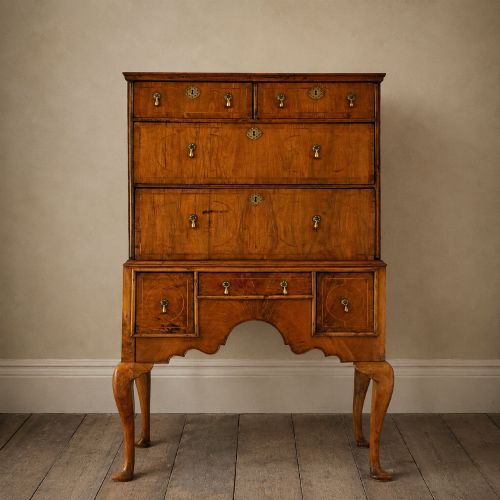
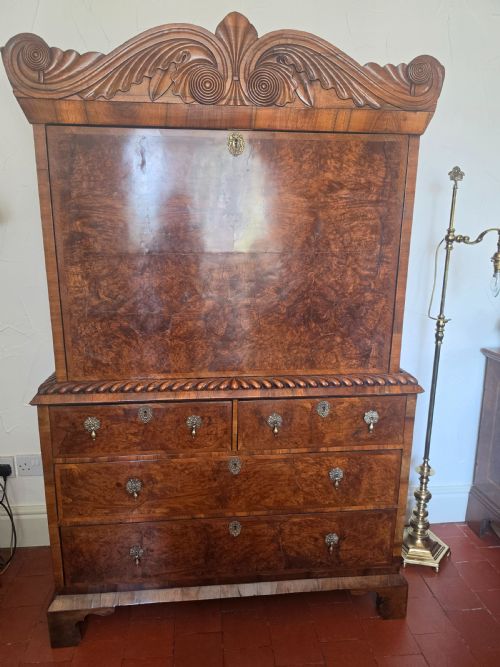
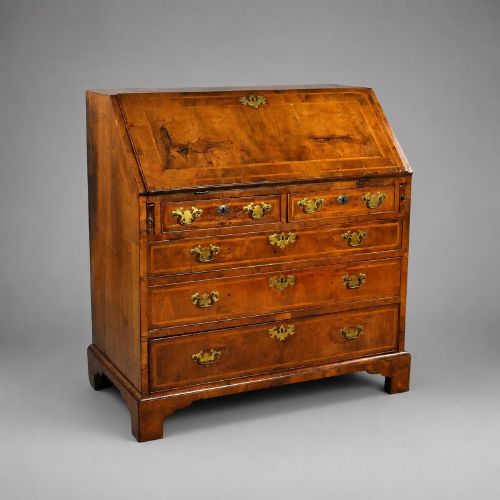
English walnut drawers encompass a diverse array of forms, from lowboys and side tables to tall chests on chests and writing bureaus.
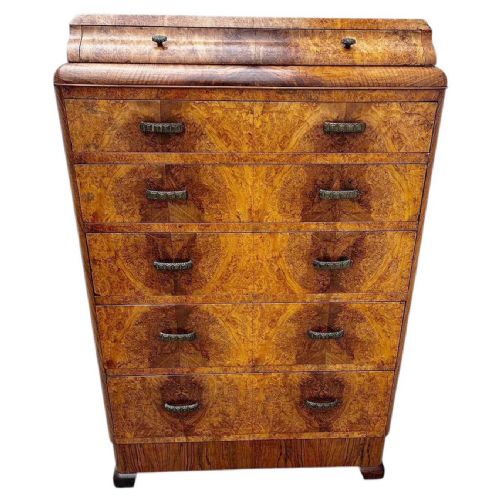
The selections range across multiple centuries, featuring seventeenth-century craftsmanship, eighteenth-century Queen Anne and Georgian examples, and later Victorian and Art Deco interpretations.
Buyers frequently encounter chests of drawers alongside specialised items like bedside tables, escritoires, and compactums.
Materials and Technique
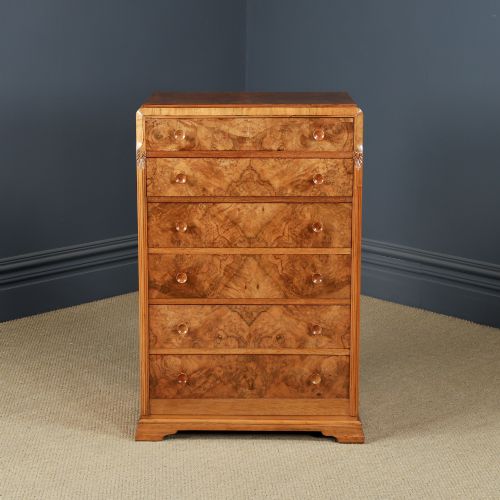
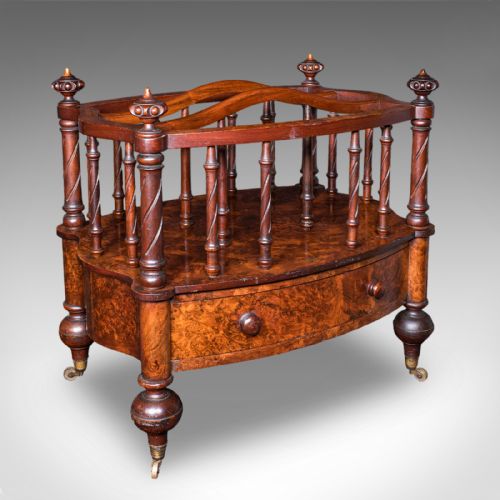
Cabinetmakers utilised solid timber and decorative veneers, frequently selecting burr walnut, figured walnut, and olivewood to create striking grain patterns on drawer fronts.
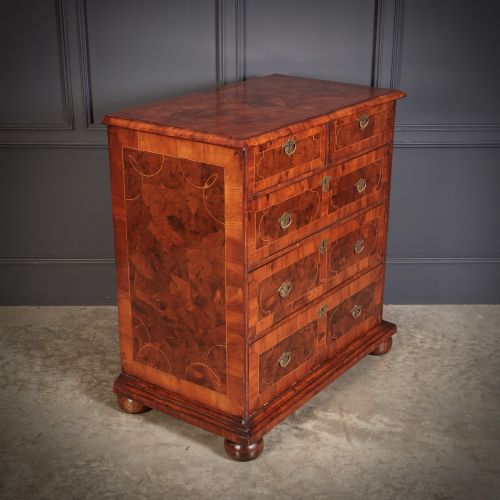
Surface ornamentation often incorporated feather-banding, cross-banding, and intricate floral marquetry executed in contrasting woods.
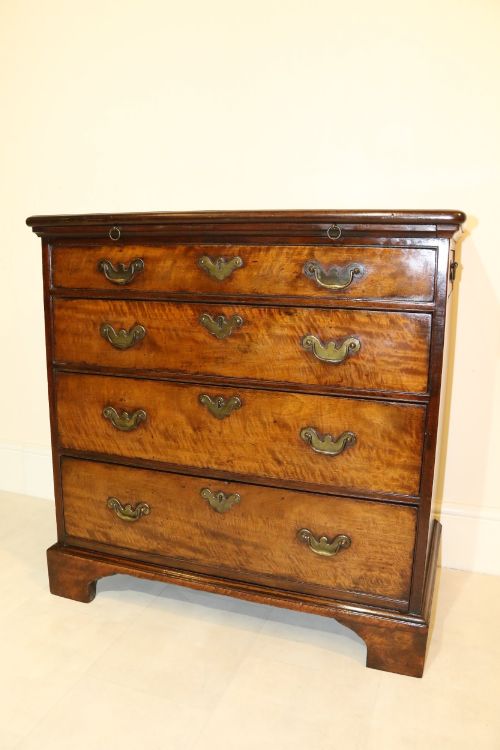
Hardware such as brass handles and escutcheons complemented the timber, while secondary woods like oak appeared in drawer construction.
English Walnut Drawers Retail Price Guide 2026
Typical asking prices for english walnut drawers among the pieces listed under this phrase on Sellingantiques today, from the lower quarter to the upper quarter. They describe what is for sale here now, not the wider market.
One exceptional piece listed is a butterfly collector's cabinet featuring eighteen wide drawers housed in English walnut and mahogany.
Assessing Craftsmanship
The distinction between tiers of pieces rests upon the selection of veneer figures, such as highly figured burr walnut versus plain timber.
The precision of decorative banding, inlay work, and marquetry details indicates the level of care invested by the original maker.
Structural integrity, including the retention of original brass hardware and the smooth operation of drawer joints, separates superior examples from standard ones.
Waring & Gillow
The English Walnut Drawers Glossary
- Burr Walnut
- A timber derived from the irregular growth or wart of a walnut tree, yielding a swirling, highly decorative grain pattern prized for veneering drawer fronts.
- Oyster Veneer
- Small circular or oval slices cut transversely from small branches or roots, arranged side by side to resemble the pattern of oyster shells.
- Lowboy
- A small dressing table or side table featuring one or more rows of drawers supported on four legs.
- Tallboy
- A tall chest of drawers, often constructed as a chest on chest or a single towering carcass, designed to maximise storage capacity.
- Marquetry
- The art of applying pieces of veneer to a structure to form decorative patterns, pictorial designs, or floral motifs.
English Walnut Drawers: Frequently Asked Questions
What periods do English walnut drawers come from?
The available pieces originate across several distinct eras, beginning with the seventeenth century and extending through the Georgian, Victorian, and Art Deco periods.
Craftsmanship evolved over these centuries, shifting from early oyster veneers and marquetry to later figured surfaces and streamlined twentieth-century forms.
How do I identify a bureau from a standard chest?
A bureau incorporates a fall-front or sloping lid that opens to reveal a writing surface, small drawers, and pigeonholes.
Standard chests of drawers focus exclusively on vertical storage compartments rather than integrated desks.
Where should I place a lowboy in my home?
A lowboy functions effectively as a compact side table in a hallway, a lamp table in a living room, or a dressing table in a bedroom.
Its shallow proportions allow it to fit into narrow spaces while providing surface area and useful drawer storage.