

18th Century English Chest
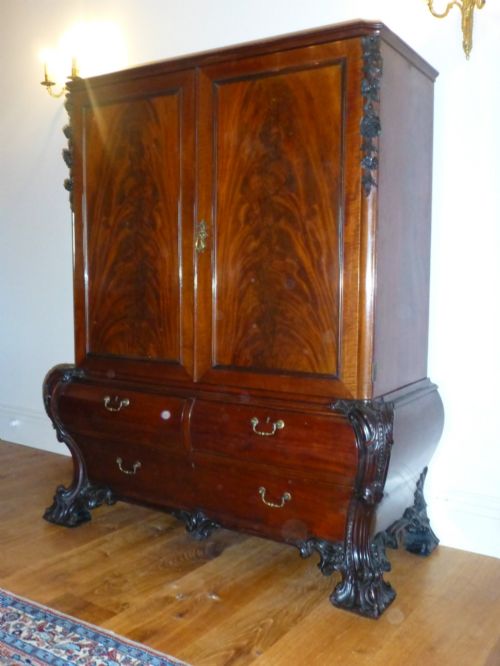
An 18th century english chest brings substantial timber and practical storage into a room.
18th Century English Chest
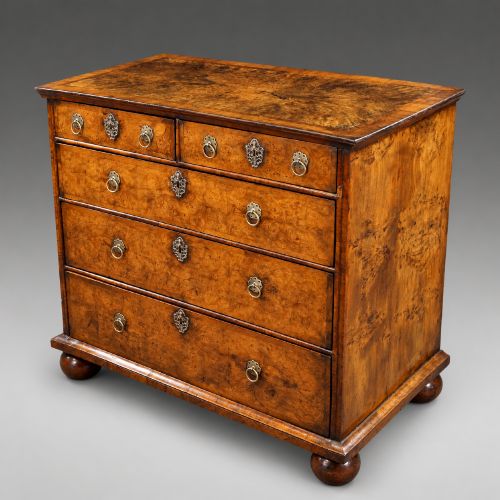
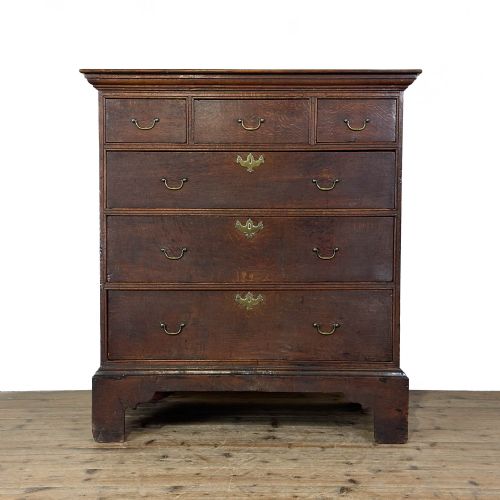
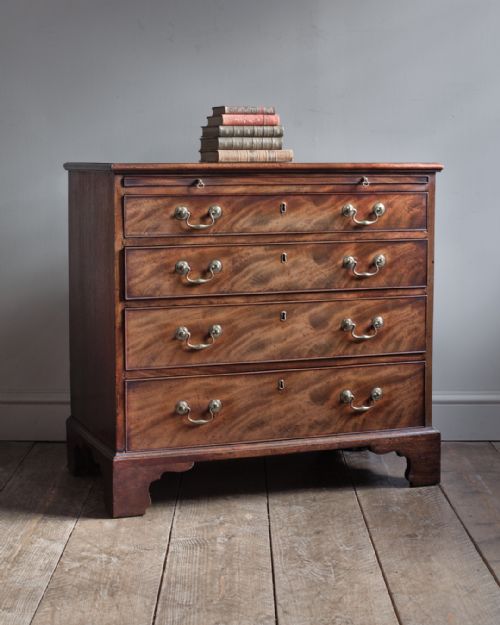
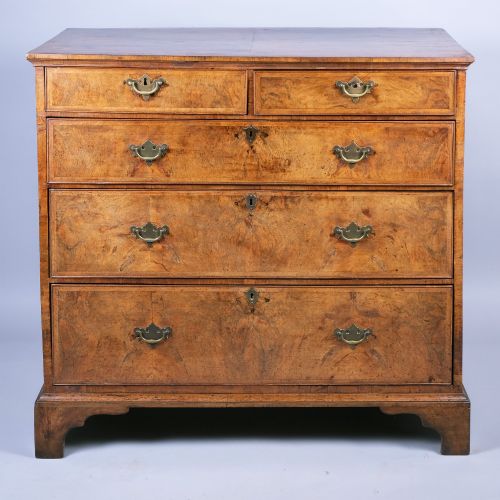
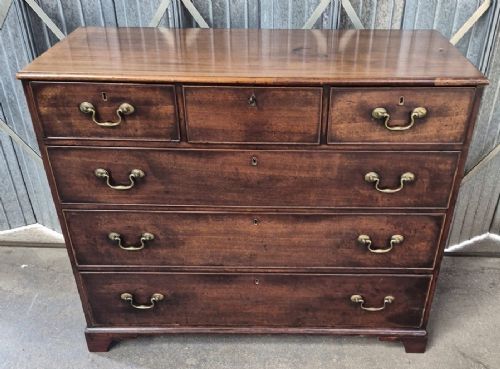
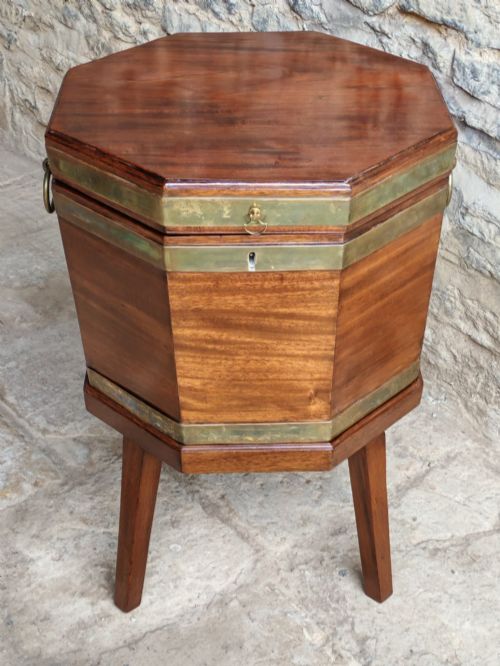
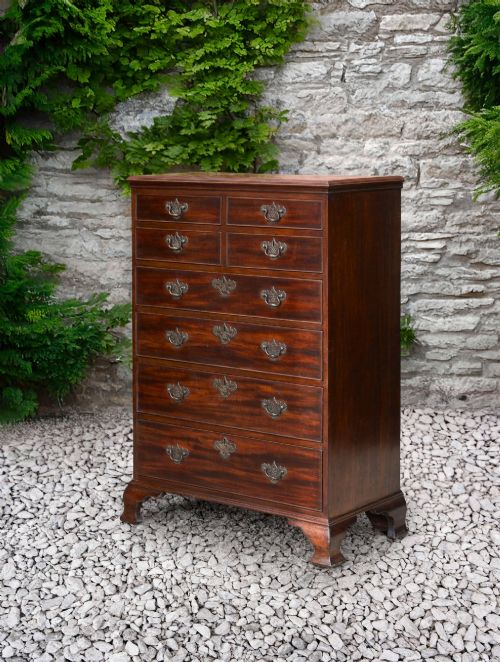
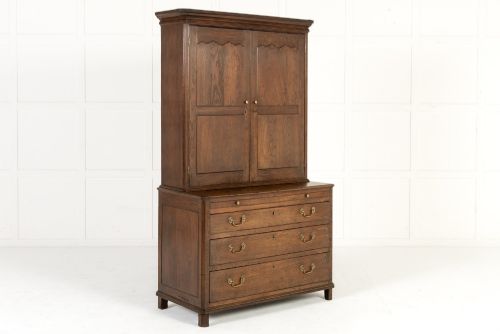
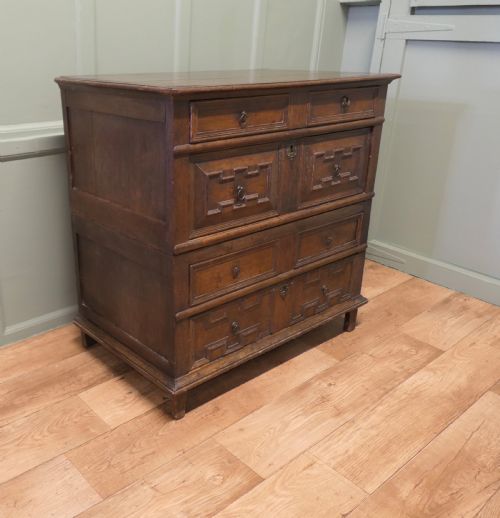
The search phrase 18th century english chest covers a variety of heavy storage furniture constructed in oak, walnut, and mahogany. Buyers encounter pieces spanning the Georgian period, Queen Anne designs, and earlier seventeenth-century survivals.
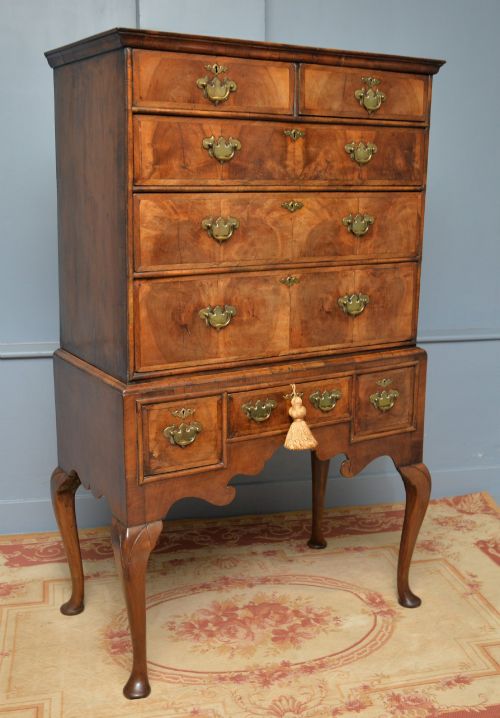
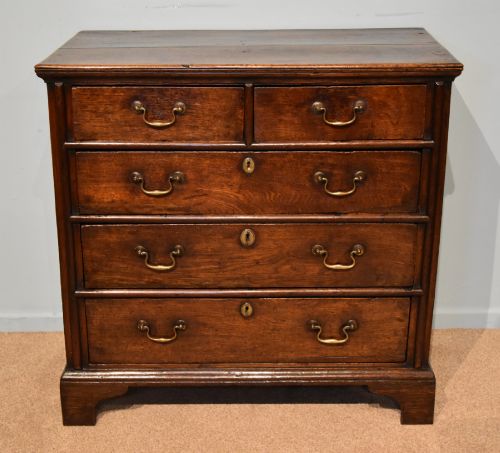
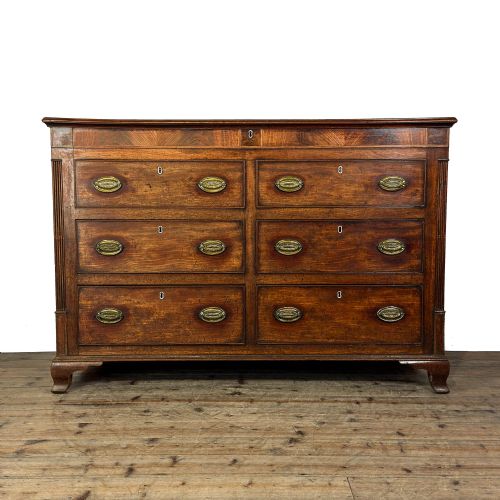
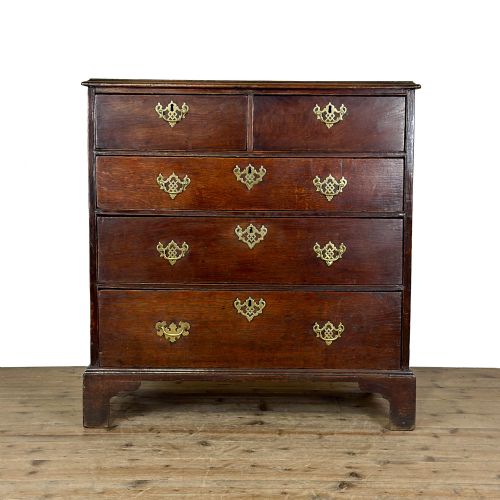
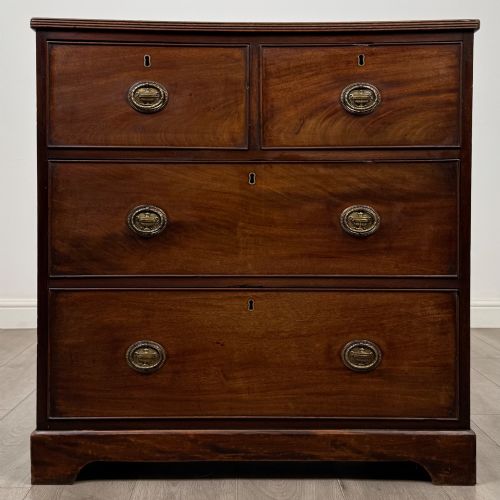
Chest of drawers forms predominate on this page, alongside mule chests, coffers, and writing chests. These pieces served domestic storage needs in period homes, often combining drawers with stands or upper sections.
Examples range from simple oak garret chests to highly figured walnut chests on stands and elaborate mahogany tallboys. Regional cabinet makers utilised local hardwoods to build sturdy furniture designed for daily utility.
Evaluating quality and construction
The degree of figuring in the wood grain distinguishes standard utility pieces from high-status examples. Elaborate crossbanding, matching veneer panels, and finely carved details elevate the standing of a walnut or mahogany chest.
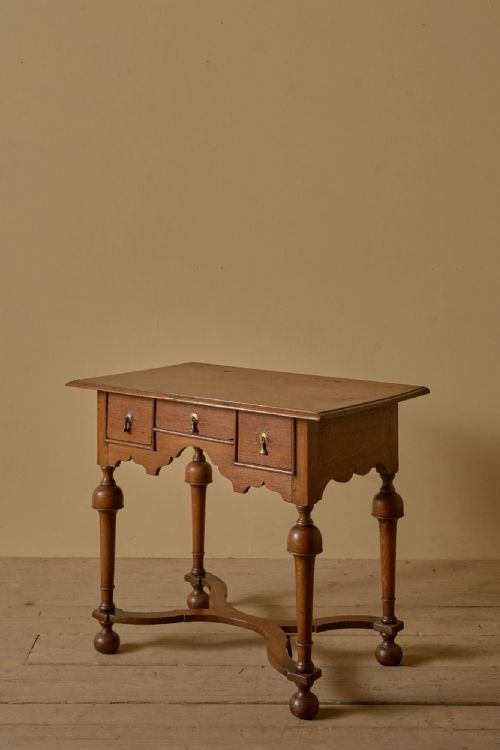
Proportion and scale dictate the visual success of smaller forms like bachelor chests and lowboys. Original stands, matching drawer linings, and retained brass hardware preserve the integrity of pieces produced during the Georgian eras.
18th Century English Chest Retail Price Guide 2026
Typical asking prices for 18th century english chest among the pieces listed under this phrase on Sellingantiques today, from the lower quarter to the upper quarter. They describe what is for sale here now, not the wider market.
Listings feature oak, walnut, and mahogany pieces from the seventeenth, eighteenth, and nineteenth centuries.
Gillows
The 18th Century English Chest Glossary
- Chest of drawers
- A case piece of furniture consisting primarily of stacked horizontal drawers for clothing and domestic storage. These items form the core of the available selection.
- Mule chest
- A storage box featuring one or more functional drawers built into the base beneath the primary lid. This form bridges the gap between traditional coffers and standard chests of drawers.
- Chest on stand
- A tall upper case section elevated on a separate, leg-based support framework. This configuration lightens the visual mass of heavy walnut or oak storage furniture.
- Bureau
- A desk form featuring a sloping writing flap that opens to reveal internal pigeonholes and small drawers. Examples in walnut and mahogany frequently incorporate storage drawers below the writing surface.
- Oyster veneer
- Circular cross-section slices of small walnut branches laid in geometric patterns across a surface. This decorative technique appears on select pieces from the Queen Anne period.
18th Century English Chest: Frequently Asked Questions
What is an 18th century english chest?
An 18th century english chest is a functional storage item built from timbers such as oak, mahogany, and walnut during the Georgian era and earlier periods.
These pieces encompass standard chests of drawers, mule chests, and specialised writing chests designed for domestic utility.
How do I identify a George III chest?
George III chests typically feature mahogany construction, often displaying figured grain patterns and brass hardware. Proportions tend to be balanced, with straight bracket feet or plinth bases supporting multiple horizontal drawers.
Cabinet makers during this reign focused on refined timber selection and restrained decorative carving.
What is the difference between oak and mahogany chests?
Oak chests generally date from the earlier part of the period, displaying visible grain and robust, utilitarian construction. They include coffers, mule chests, and simple garret drawers.
Mahogany chests emerge more prominently later in the eighteenth century, offering smoother surfaces, richer red-brown tones, and suitability for refined formal interiors.
How do I live with an antique chest?
Antique chests function well as bedroom storage or living room console surfaces, accommodating linens, books, and household items. Placing them away from direct heat sources protects the timber and veneer surfaces.
Regular polishing with traditional wax helps maintain the finish of walnut and mahogany timbers over time.