


Chest on Legs
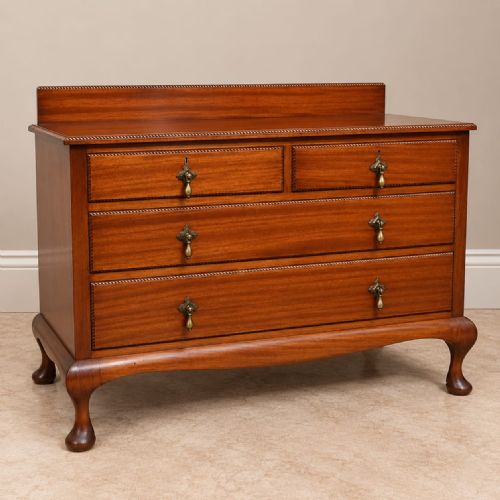
When you search for a chest on legs, you are looking at elevated storage forms spanning the eighteenth century to the twentieth century.
Chest on Legs
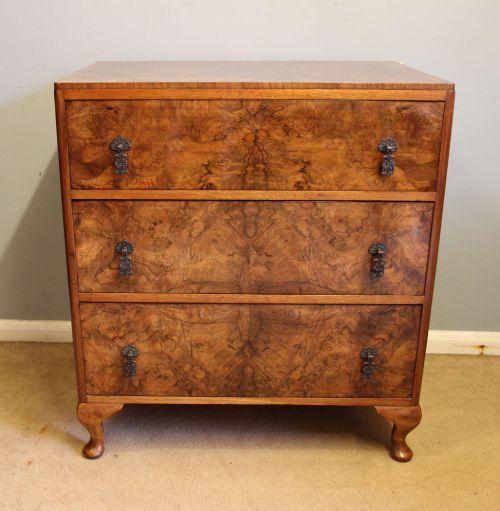
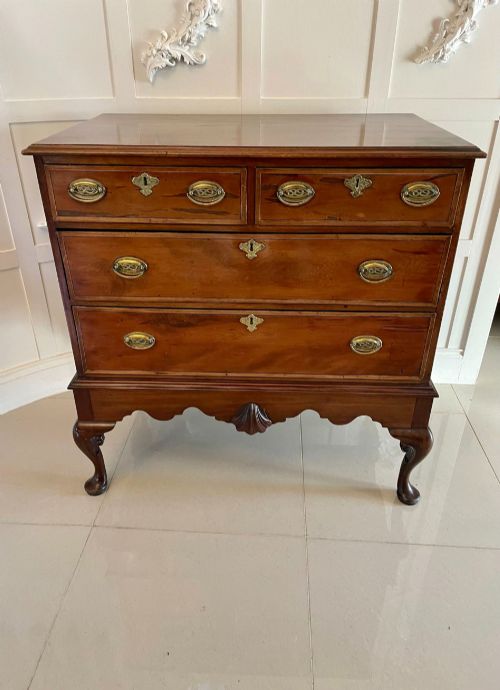
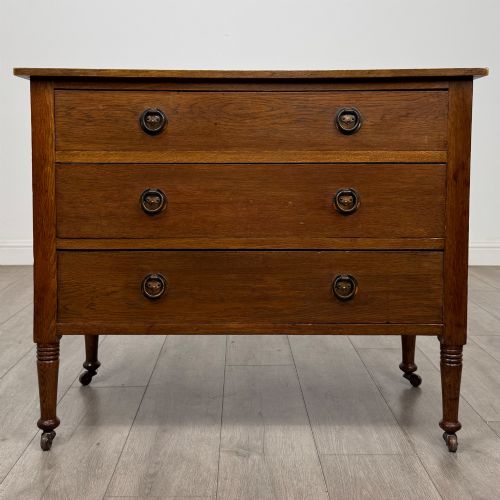
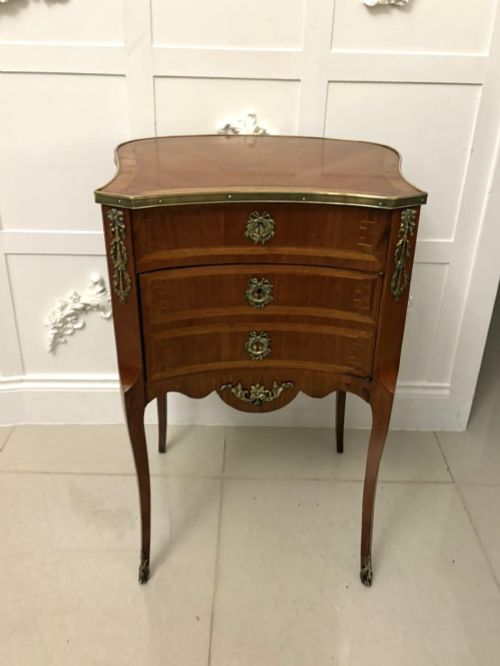
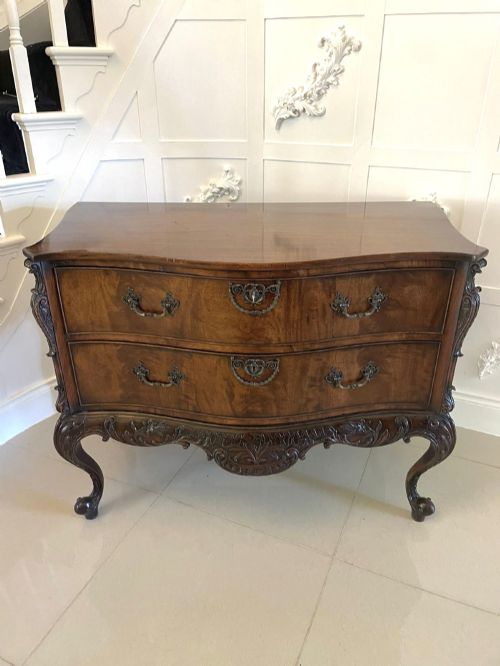
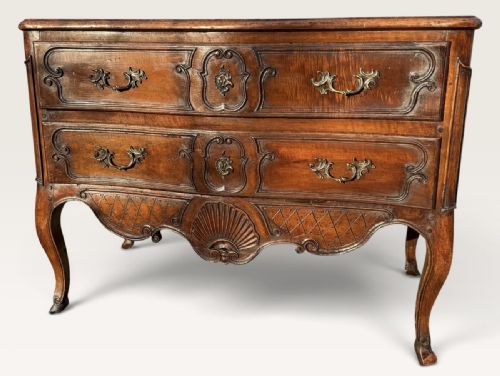
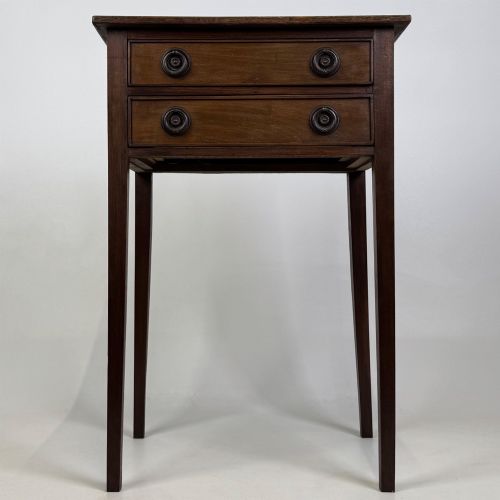
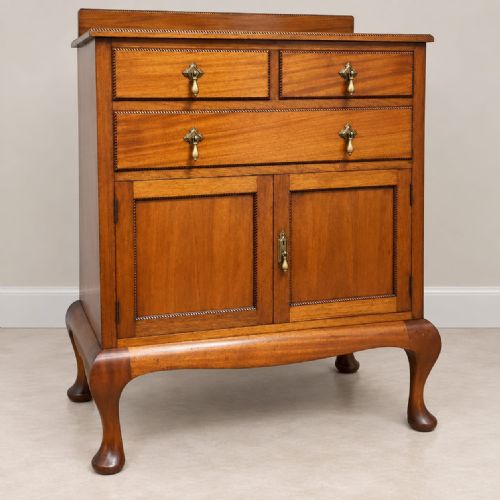
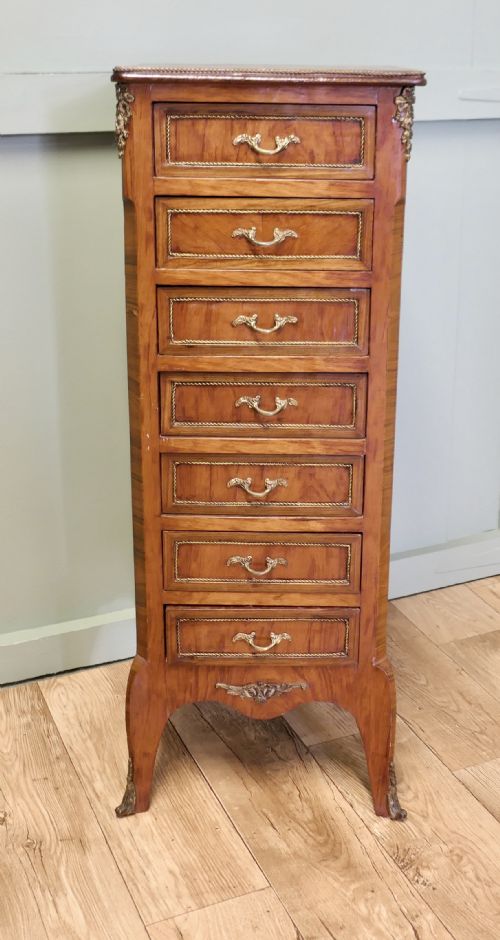
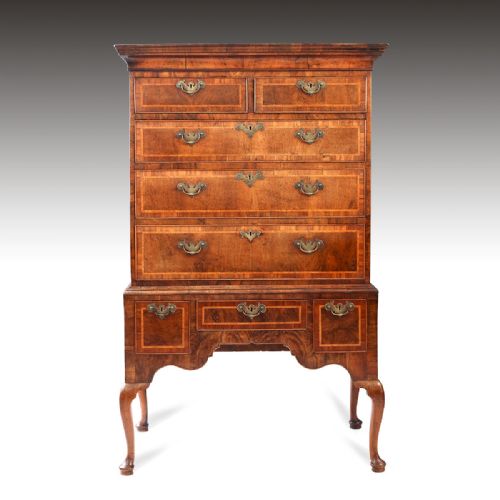
A chest on legs combines drawer storage with an elevated stand or distinct leg supports, lifting the main body off the floor. You will encounter forms ranging from early walnut and oak pieces on cabriole legs to Edwardian and later mahogany and burr walnut variations.
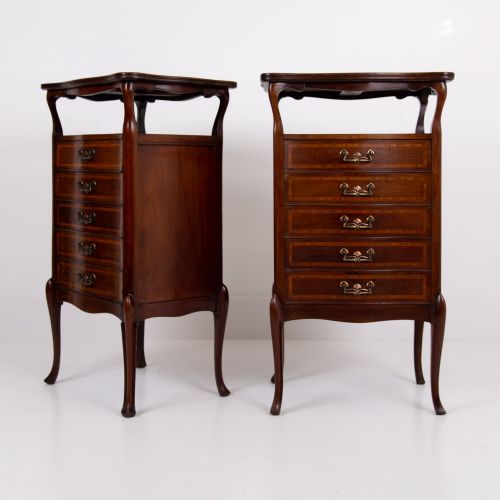
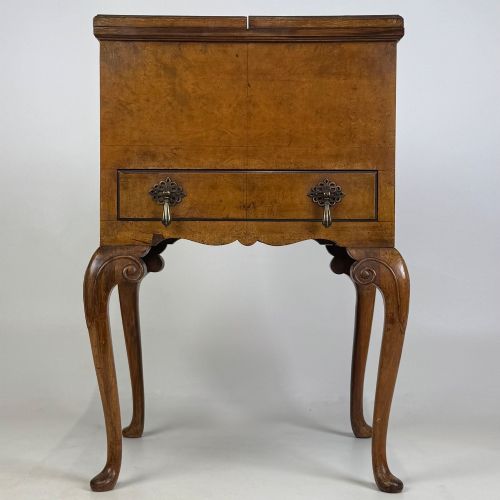
The category encompasses traditional chests on stands, tallboys, lowboys, and bedside cabinets supported by turned or splayed legs. Eighteenth-century examples often display figured walnut or oak, while twentieth-century revivals utilise mahogany and burr walnut veneers.
Materials and construction
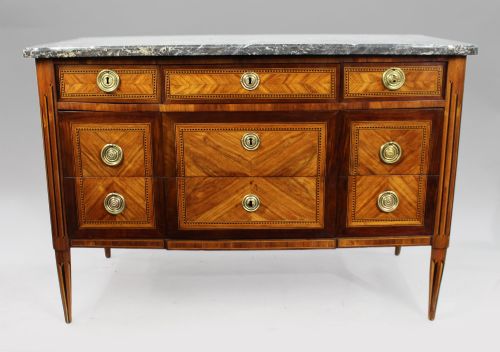
Cabinetmakers built these pieces using solid timbers such as oak and mahogany, frequently applying decorative veneers like burr walnut and kingwood to primary surfaces. Marquetry inlay and parquetry patterns appear on continental and revival pieces.
Structural integrity relies on traditional joinery, with drawer frames and stands fitted to support the raised weight. Brass hardware, ormolu mounts, and marble tops provide functional and decorative accents on select French and Georgian models.
Listings feature eighteenth-century walnut and oak pieces alongside Edwardian, 1920, and 1930 revivals in mahogany, burr walnut, and marble.
Quality variations
The choice of timber grain determines much of the visual merit, particularly in figured walnut and flame mahogany surfaces where matching veneer symmetry matters. Crispness in carved cabriole legs or fine turnings distinguishes superior cabinet work from simpler production.
Originality of the stands, legs, and hardware dictates the integrity of pieces that combine an upper chest with a separate base. Cohesive ageing between the upper drawers and the supporting legs indicates a well-preserved or properly matched antique.
The Chest on Legs Glossary
- Cabriole leg
- An S-shaped furniture leg curving outward at the knee and tapering inward to an ankle, common on eighteenth-century stands. This form draws inspiration from animal limbs and Chinese motifs.
- Tallboy
- A tall chest of drawers made in two sections, placing one chest stacked upon another or upon a tall stand. They maximise vertical storage while maintaining a raised profile.
- Lowboy
- A small table with drawers resembling the lower section of a tallboy, frequently used as a dressing table or side table. These pieces typically feature multiple drawers beneath a finished top.
- Marquetry
- Decorative patterns formed by fitting together thin veneers of various wood types, metals, or shells onto a structural surface. Craftsmen utilise this technique to create pictorial or geometric designs.
- Ormolu
- Gilded bronze ornamentation applied to furniture, popular in French eighteenth-century design and later continental revivals. It provides metallic contrast against dark woods and marble.
Chest on Legs: Frequently Asked Questions
What is a chest on legs?
A chest on legs is a raised storage unit where a set of drawers is elevated on a distinct stand, frame, or set of legs. These pieces lift the main storage compartment away from the floor for easier access and lighter visual proportions.
Designs vary from early eighteenth-century walnut stands with cabriole legs to Edwardian mahogany chests and twentieth-century burr walnut bedside cabinets.
How do I identify an eighteenth century piece?
Eighteenth century examples often feature walnut or oak construction, hand-cut dovetails, and period-specific leg forms like cabriole supports. The timber patination shows deep natural ageing that develops over centuries of use.
Construction details such as solid wood drawer linings and original hardware help separate genuine early pieces from later revival furniture.
Where did people use these in the home?
Bedrooms and dressing rooms served as the primary locations for these elevated chests, holding garments, linens, and personal items. Smaller variants functioned as bedside tables or lamp tables in sitting rooms.
The raised design prevented dampness from reaching stored textiles when floors lacked modern insulation.