
English Sterling Silver Tableware
English sterling silver tableware brings centuries of refined dining craft to the table, spanning solid silver cutlery, cruets, and serving pieces.
English Sterling Silver Tableware
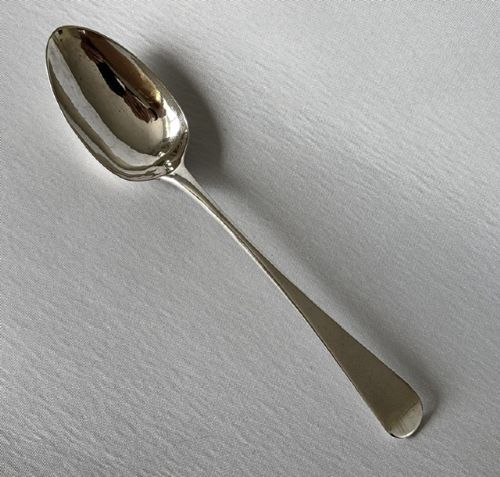
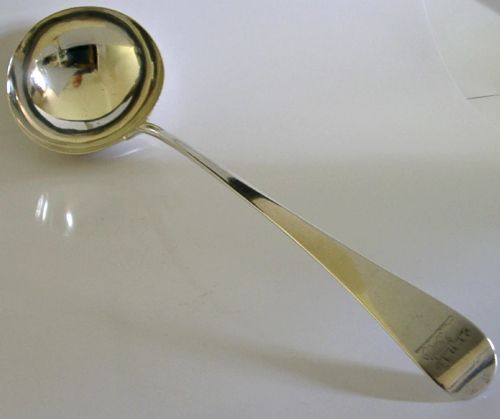
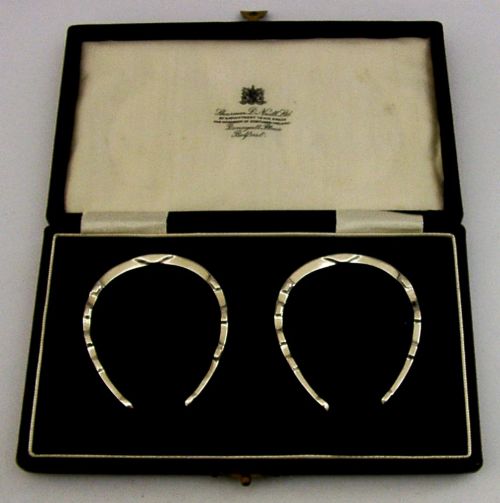
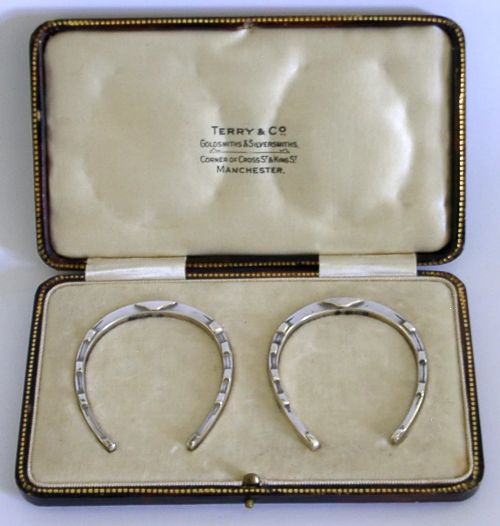
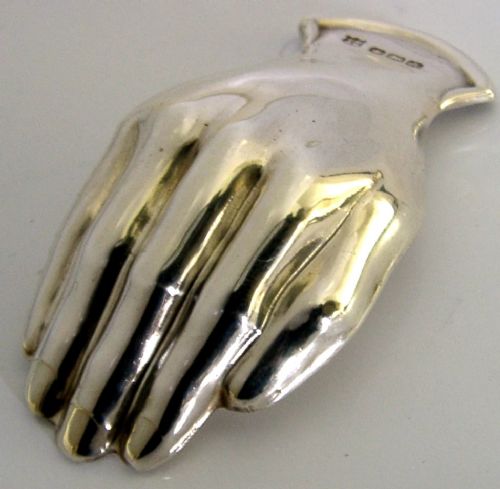
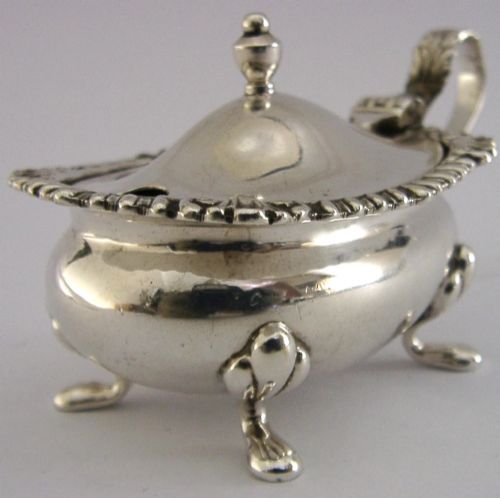
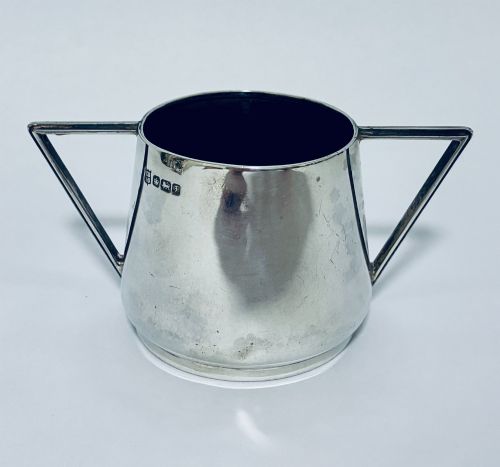
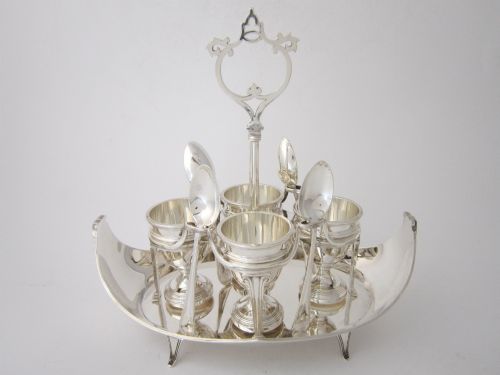
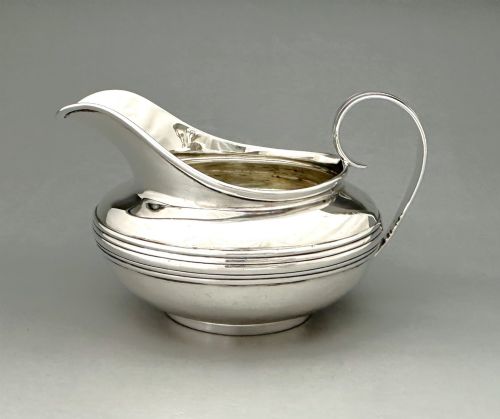
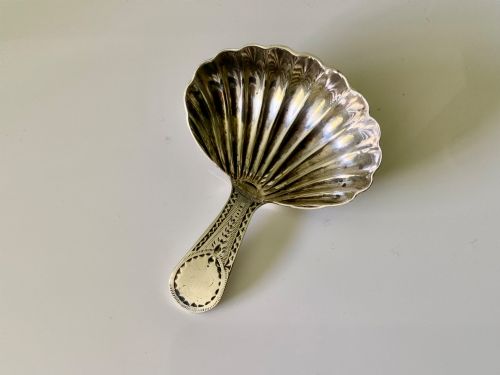
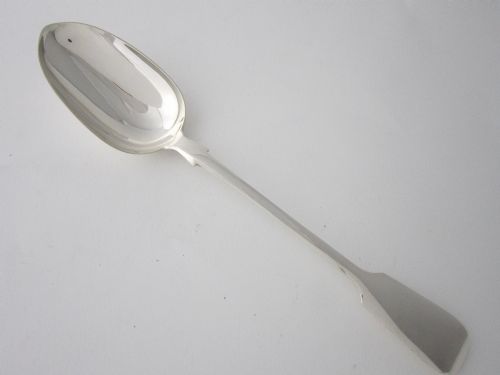
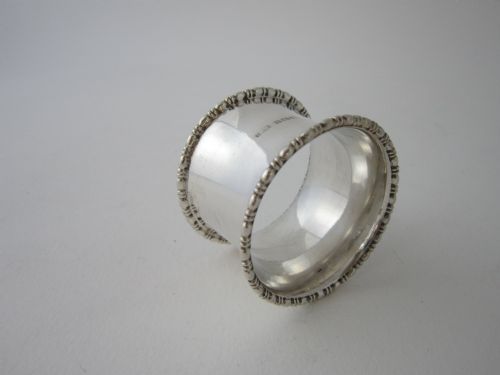
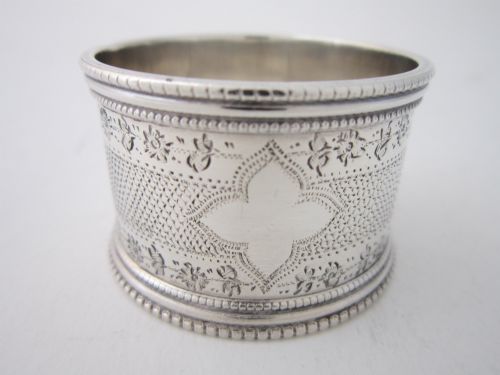
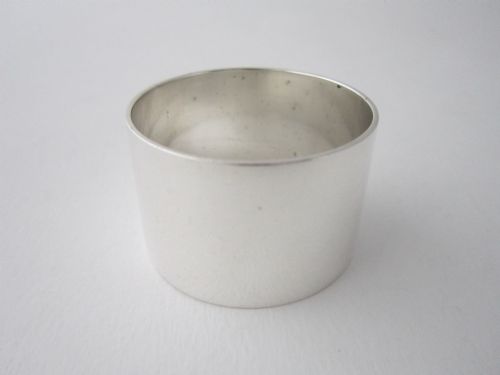
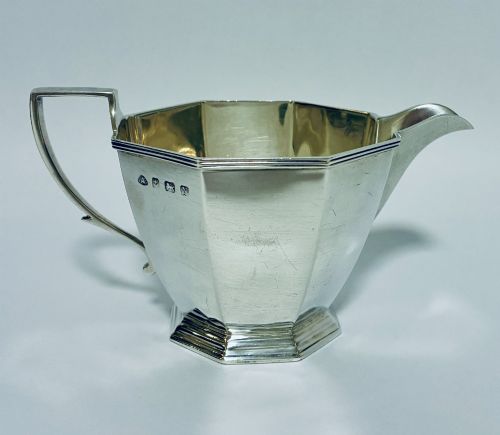
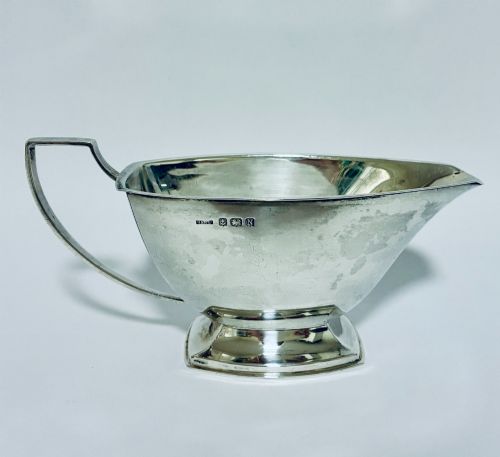
English sterling silver tableware comprises functional and decorative dining accessories produced across the Georgian, Victorian, Edwardian, and twentieth-century periods. These pieces range from utilitarian items like napkin rings and marrow scoops to decorative sauce boats, toast racks, and cream jugs.
Makers and silversmiths utilised traditional forms such as helmet cream jugs, trefid spoons, and novelties like monkey sugar tongs or owl menu holders. Buyers encounter both single serving items and matched condiment sets intended for formal dining.
Materials and construction
Articles are fashioned predominantly from sterling silver and solid silver, occasionally complemented by blue glass liners, leatherette, silk, velvet, satin, or gold plate. Manufacturing methods combine hand-hammering, embossing, and casting, particularly visible in ornate sauce boats and figural menu holders.
Maker marks, lion passants, and date letters are punched directly into the silver to guarantee standard and origin. Later twentieth-century items sit alongside eighteenth-century pieces shaped by skilled hands utilising foundational smithing techniques.
English Sterling Silver Tableware Retail Price Guide 2026
Typical asking prices for english sterling silver tableware among the pieces listed under this phrase on Sellingantiques today, from the lower quarter to the upper quarter. They describe what is for sale here now, not the wider market.
Listings feature periods ranging from the seventeenth century through to the Edwardian era and mid-twentieth-century Art Deco designs.
Evaluating the standard
Quality rests on the crispness of hallmarks, the weight of the silver relative to the object's size, and the preservation of original detail in embossed or engraved decoration. Pieces by notable silversmiths or featuring distinct novelty forms command greater attention from collectors.
The integrity of secondary materials, such as intact blue glass liners or fitted leatherette cases, influences the completeness of surviving sets. Fine gauge thickness and uncompromised structural form separate standard utility items from exceptional examples.
Peter & Jonathan Bateman·Hester Bateman·Dee & Fargus·Charles Fox II·William Penstone
The English Sterling Silver Tableware Glossary
- Sterling silver
- A silver alloy containing 92.5 percent pure silver and 7.5 percent other metals, usually copper, ensuring durability for tableware.
- Hallmark
- An official stamp applied to precious metals indicating the standard of purity, the assay office, and the year of manufacture.
- Trefid
- An early style of spoon characterised by a broad, notched terminal stem popular in the late seventeenth century.
- Marrow scoop
- A narrow, elongated silver utensil designed for extracting marrow from animal bones during formal meals.
- Sauce boat
- An open vessel with a lip and handle, used for serving gravies and sauces at the dining table.
English Sterling Silver Tableware: Frequently Asked Questions
How do I clean antique silver tableware?
Clean silver gently using a dedicated silver cloth and warm soapy water to preserve the surface finish and hallmarks. Avoid harsh abrasive dips that strip away desirable patination.
Store pieces in tarnish-resistant cloths or fitted cases lined with velvet or silk when not in active use.
Can I use these silver items daily?
Solid sterling silver tableware is robust enough for regular dining use provided pieces are washed by hand promptly after meals. Acidic foods should not be left sitting on silver surfaces for extended periods.
Delicate items like glass-lined mustard pots and figural menu holders benefit from careful handling rather than heavy everyday service.
What do the marks on the silver mean?
British hallmarks typically include a leopard head or anchor for the assay office, a lion passant for sterling standard, and a sequential letter indicating the year. Maker marks use initials or full names to identify the silversmith or workshop.
These stamps allow collectors to date pieces precisely and trace their manufacturing origin.
How do I identify a Georgian piece?
Georgian items display stylistic traits from the reigns of Georges I through IV, encompassing neoclassical helmet jugs and crisp linear engraving. Checking the date letter punch against assay office records provides definitive confirmation.
Weight, hand-wrought construction details, and simpler proportions often distinguish these eighteenth and early nineteenth-century items from later Victorian revivals.