


English Silver Clock
An english silver clock brings precision horology together with precious metal work, offering a sophisticated timepiece for a mantel, desk or wall.
English Silver Clock
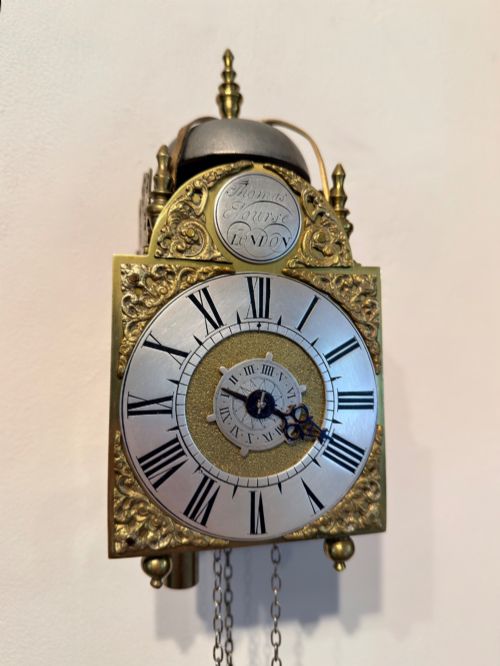
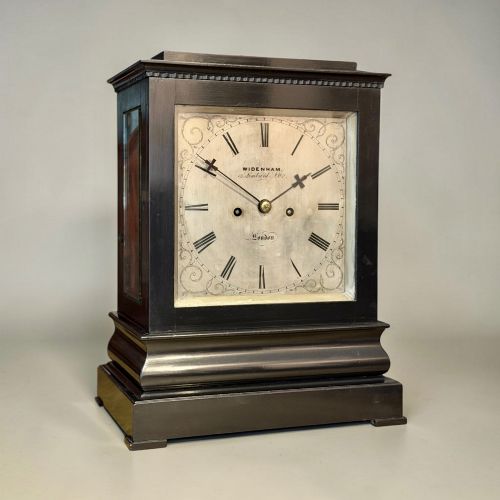
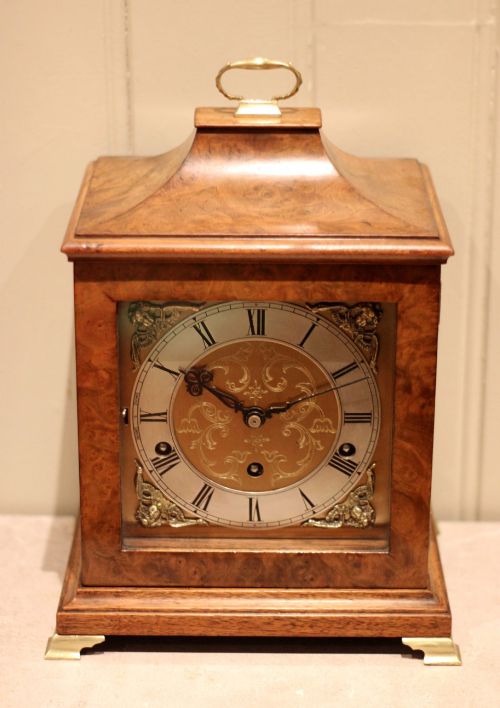
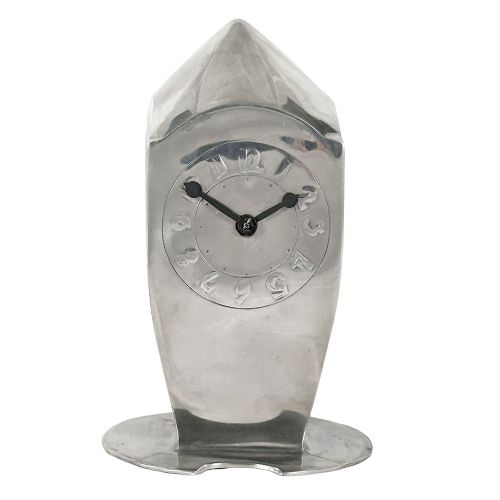
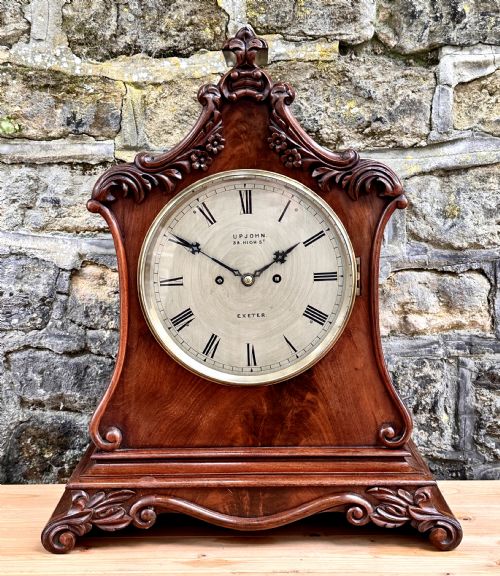
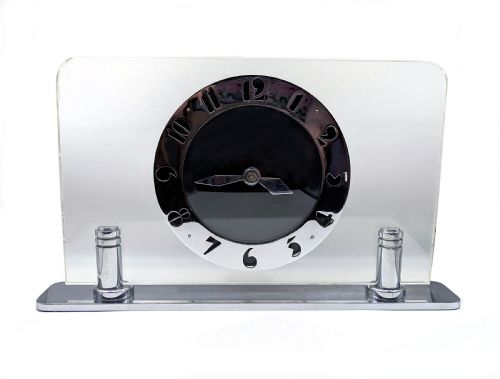
When you search for an english silver clock, you encounter a range of forms spanning centuries of domestic horology, from compact carriage clocks to larger travel and boudoir timepieces. The selection on this page demonstrates that silver housing appears most frequently on portable pieces such as carriage clocks, travel clocks and small desk timepieces.
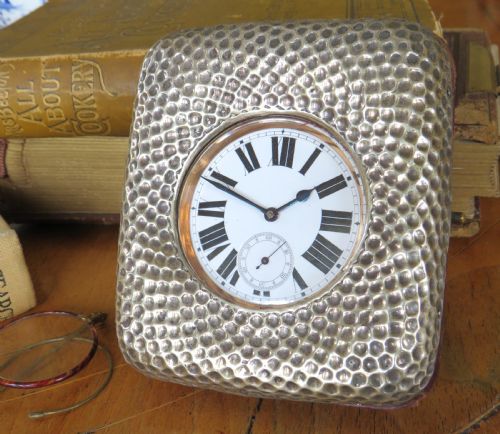
Makers and retailers utilised silver mounts, solid silver cases and silvered dials across various historical periods, including the Victorian and Edwardian eras. Alongside solid silver examples, you will find pieces featuring silvered brass or silvered metal dials set within wooden or metal bodies.
The domestic interiors of the seventeenth century onwards accommodated these timepieces, which served both practical scheduling needs and decorative display purposes. Whether housed in a miniature travel case or presented on a library desk, these objects combine mechanical complexity with refined exterior casing.
Materials and construction methods
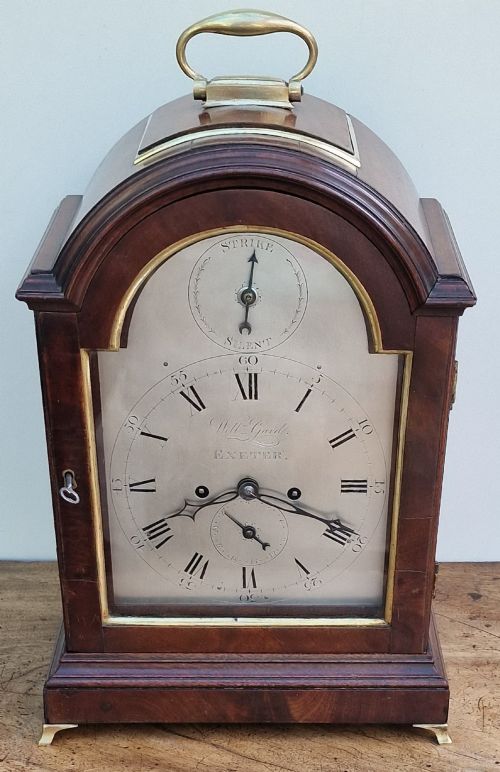
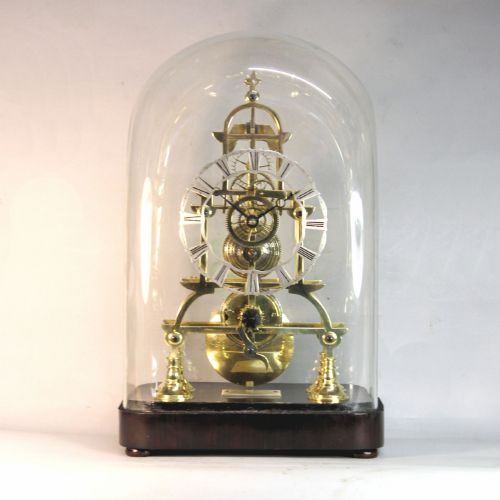
Dials frequently feature silvered brass or silvered metal plates, often engraved with numerals and maker details, protected beneath bevelled glass windows. Structural integrity relies on traditional fusee, spring driven or eight day movements, housed carefully within cases that range from miniature travel housings to substantial five glass library designs.
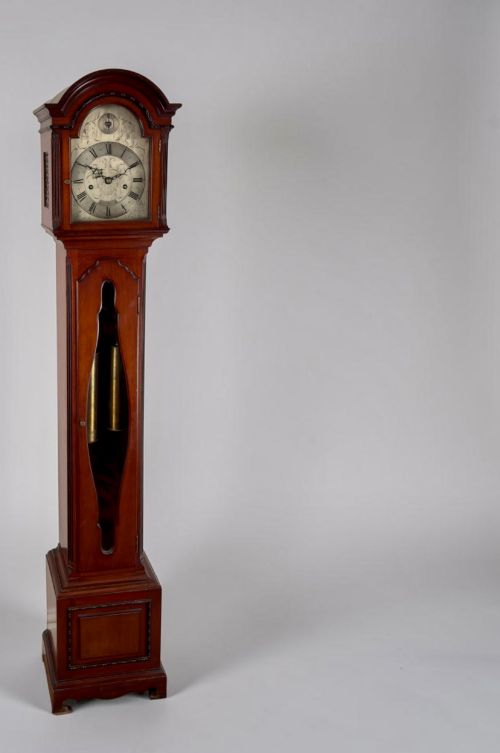
Listings feature movements housed in mahogany, rosewood, ebony, brass, oak and ebonised wood alongside silvered dials.
Markers of superior craftsmanship
Quality in these timepieces rests upon the crispness of the movement, the integrity of the silver work and the originality of the components. Superior examples display finely engraved silvered dials, untouched maker signatures and mechanisms that retain their original escapement and fusee setup.
The standard of the exterior casing also dictates value, where hand chased silver mounts, unpolished hallmarks and well preserved cabinet woods demonstrate superior historical care. Pieces that retain their original glass domes, fitted travel cases or matching keys represent the highest tier of horological survival.
Widenham of London·Gillett & Johnston of Croydon·William Gard·Mappin & Webb·Archibald Knox for Liberty & Co·Smiths Clockmakers·Richard Winter of Chieveley·Jonathon Lowndes·Thwaites of London·Dent·John Pepys London·William Speakman·Benj Reeves Lamberhurst·Litherland Davies Of Liverpool·J Batson & Son·Des Granges of London·William Allam·Phillips Brothers·Thomas Cole and James Cole·Hunt And Roskell·Perigal of London·Clerke Royal Exchange London·Henry Matthews·Robert Salmon·Pearson & Price
The English Silver Clock Glossary
- Fusee
- A conical pulley used in mechanical clocks to ensure even tension on the gear train as the mainspring unwinds. This mechanism helps maintain consistent timekeeping throughout the power reserve.
- Silvered dial
- A brass or metal dial treated with a compound of silver, salt and tartar to produce a bright, frosted finish. Numerals and maker inscriptions are typically engraved through this layer to reveal the darker metal beneath.
- Carriage clock
- A small, spring driven timekeeper originally designed for travel, featuring a carrying handle and glass panels on all sides. Many examples include striking or alarm complications.
- Platform escapement
- A self contained escapement unit mounted on a small platform inside portable clocks, replacing the traditional pendulum. It allows the clock to keep accurate time while being moved.
English Silver Clock: Frequently Asked Questions
What is an english silver clock?
An english silver clock is a mechanical timepiece housed in a solid silver case, mounted with silvered decorative elements, or retailed with silver presentation details by British makers.
These pieces range from tiny portable boudoir timepieces to library mantel clocks, combining functional gear movements with precious metal craftsmanship.
How do you wind a fusee movement?
Winding a fusee mechanism requires inserting a key into the dial or back plate and turning it steadily until the mainspring is fully tensioned.
Care must be taken not to overwind antique movements, ensuring the chain or gut line remains correctly seated on the conical pulley.
Where were carriage clocks used?
Carriage clocks were originally constructed for wealthy travellers who required portable, accurate timekeeping during journeys by coach or rail.
Their robust platform escapements allowed them to maintain accurate time despite motion, before eventually transitioning into popular domestic mantel ornaments.
How do I care for antique silver cases?
Silver cases benefit from gentle cleaning with a soft cloth to remove dust and prevent tarnish accumulation without wearing away delicate hallmarks or engraving.
Harsh chemical dips should be avoided to protect any surrounding wood, glass panels and internal mechanical components from contamination.