

English Rural Painting
An english rural painting captures cottages, harvest fields and country lanes from past centuries, offering a quiet window into traditional village life.
English Rural Painting
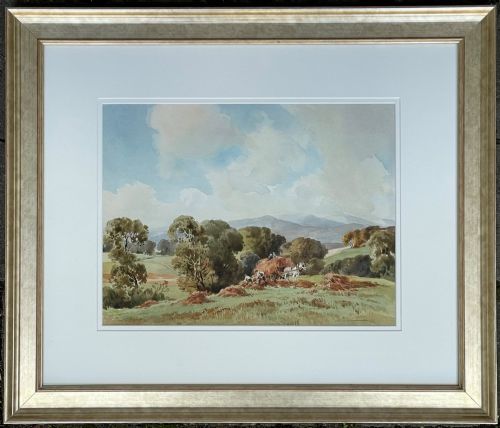
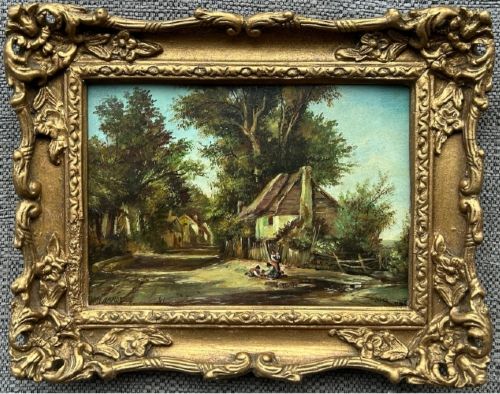
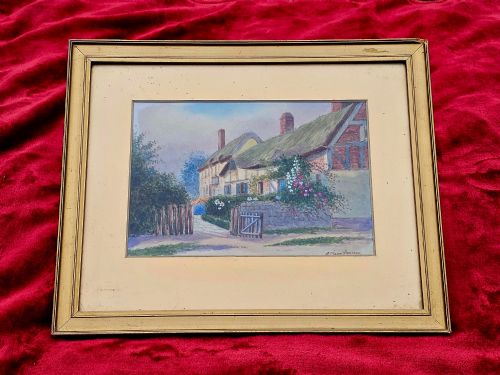
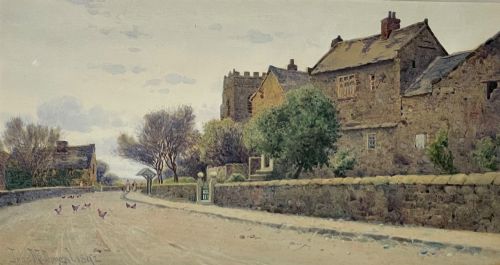
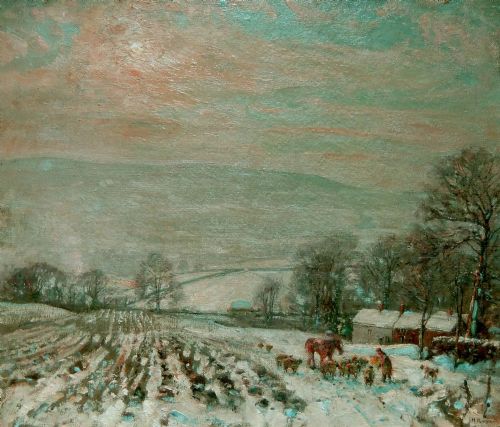
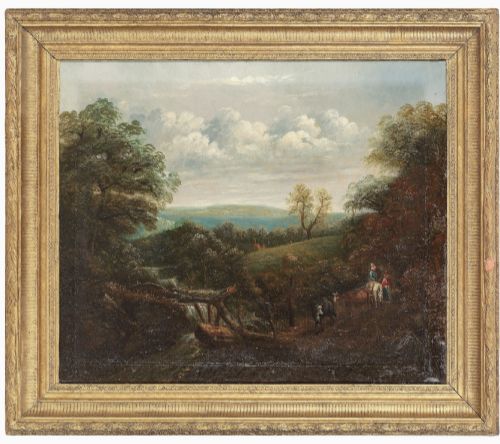
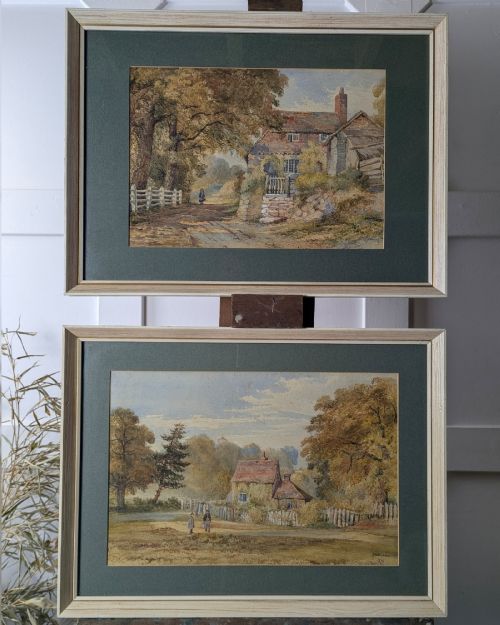
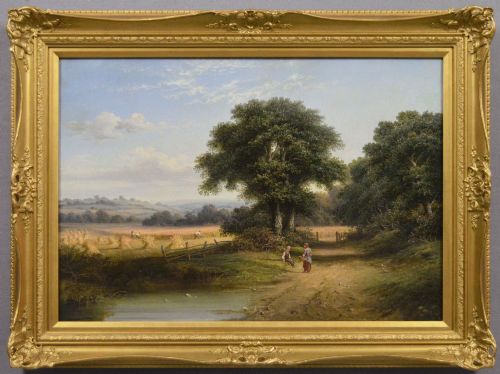
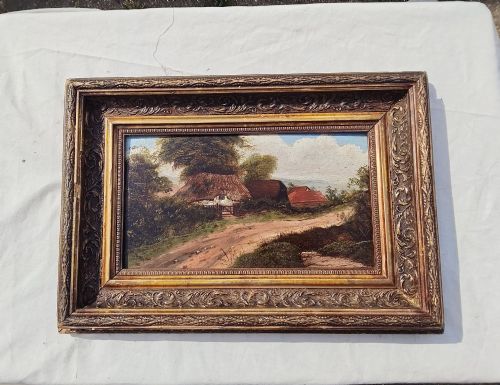
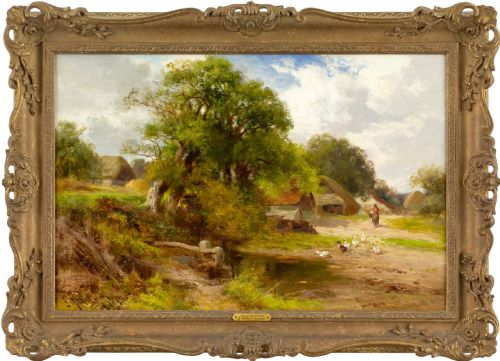
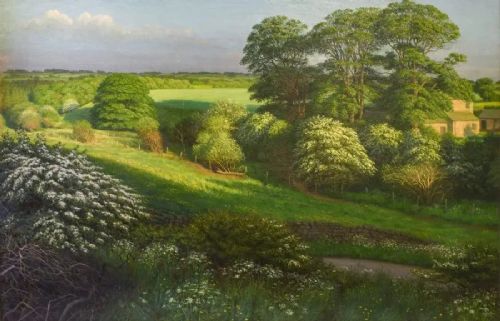
An english rural painting depicts traditional countryside scenes including thatched cottages, riverbanks, farmyards and agricultural workers. These artworks span various periods from the late eighteenth century through the Victorian and Edwardian eras into the mid-twentieth century.
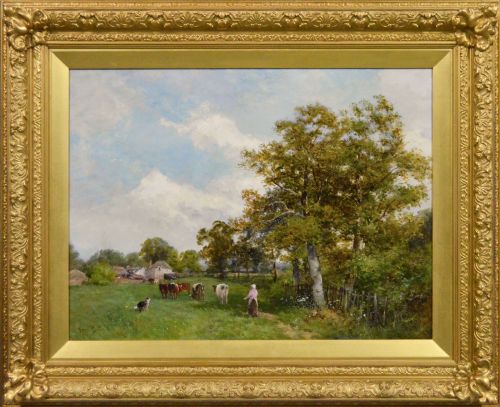
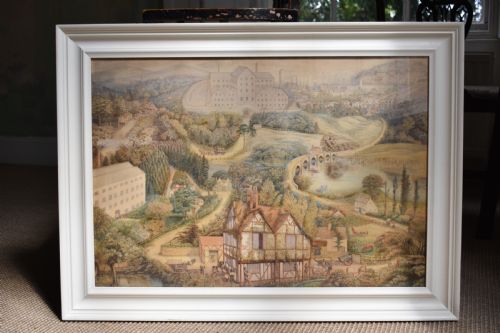
Buyers encounter framed watercolours and oil paintings on canvas, panel or board created by named artists and regional British schools. Pastoral landscapes and genre scenes featuring figures, cattle and sheep dominate the selections available.
The aesthetic reflects changing artistic movements such as the Norwich School, British Impressionism and Victorian Realism. Each piece preserves a distinct record of rural topography and agrarian routines.
Materials and Techniques
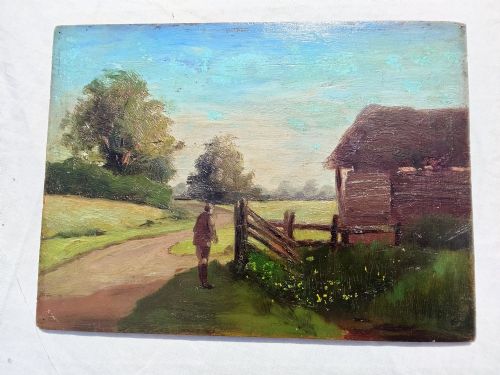
Artists worked primarily with oil paint on stretched canvas, wooden panels or cardboard, alongside delicate watercolours applied to paper. Pigments were skillfully layered to capture natural light, atmospheric weather and shifting seasonal colours.
Many works remain housed in their original ornate gilt wood frames which complement the pastoral subject matter. Support materials frequently include card, panel and traditional canvas mounted on stretchers.
Listings feature 19th Century and Victorian works alongside Edwardian and mid-century pieces in oil, watercolour and wood panel.
Assessing Quality
Quality rests upon the artist's handling of natural light, spatial depth and the convincing portrayal of figures and animals within the landscape. Finer examples display confident brushwork and a harmonious palette rather than stiff or formulaic composition.
The integration of the subject with its original period frame also influences the overall integrity of the piece. Strong provenance and clear attribution to a recognised hand elevate the standing of any artwork.
George Graham·Percy Lancaster·William Howard Hardy·John McDougal·Herbert Royle·David Bates·Walter Heath Williams·George Augustus Holmes·George Oyston·William Greaves·Charles Henry Slater·Herman S Melville·Sydney Yates Johnson·Edgar Woollatt·Harry Freckleton·Henry Charles Fox·Fred Lawson·Edwin Cole·Dean Wolstenholme·John Nicholas Rhodes·Daniel Sherrin·Thomas Pyne
The English Rural Painting Glossary
- Watercolour
- A painting method where fine pigment is suspended in water-soluble binders on paper. This medium creates translucent washes ideal for luminous skies and rural landscapes.
- Oil on Canvas
- Pigment mixed with drying oil applied to a woven fabric stretched across a wooden frame. This durable medium allows for rich texture and deep colour saturation.
- Genre Painting
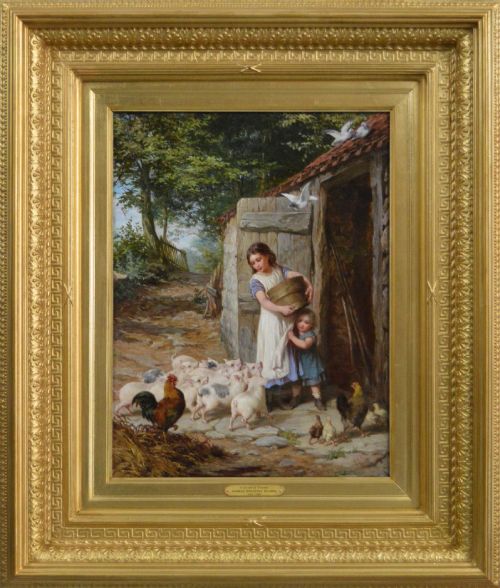
- Artwork depicting scenes from everyday life, ordinary people and domestic or agricultural tasks. These pieces often feature figures tending livestock or working in village settings.
- Norwich School
- A regional collective of artists inspired by local Norfolk scenery and Dutch landscape traditions. It represents the first provincial art movement in Britain.
- Gilt Wood
- Timber decorated with a thin layer of gold leaf or metallic gilt finish. Such frames were commonly used in the Victorian and Edwardian periods to enhance fine artworks.
English Rural Painting: Frequently Asked Questions
What subjects appear in these paintings?
These artworks commonly show thatched cottages, harvest fields, winding rivers and coastal villages across the British countryside. Figures engaged in agricultural labour, herding sheep or fishing are frequently included.
Artists also recorded specific rural locations, farmyards with livestock, and quiet pastoral lanes under changing seasonal weather conditions.
How do I date an antique painting?
Dating relies on stylistic clues, framing techniques, artist signatures and archival records or exhibition labels on the reverse. Clothing styles and agricultural methods depicted within the scene offer further chronological markers.
Victorian and Edwardian works often display distinct framing materials and canvas stamps characteristic of nineteenth and early twentieth century suppliers.
Where should I hang these artworks?
Rural paintings suit traditional living spaces, studies and hallways where their natural subject matter creates a calm atmosphere. Pair them with period interiors or neutral walls to highlight the historic palette.
Keep framed works away from direct sunlight and damp environments to protect the paper, canvas and original gilt wood frames.
What is the Norwich School?
The Norwich School was a regional group of artists founded in the early nineteenth century who painted local landscapes and rural scenes. They drew inspiration from Dutch masters and the surrounding Norfolk countryside.
Their works prioritize atmospheric lighting and realistic depictions of everyday rural topography, forming an important pillar of British landscape art.