

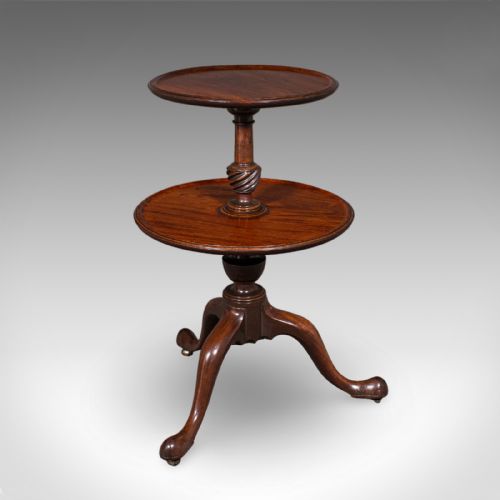


English Regency Tray
An English regency tray brings functional elegance to any room, offering a durable surface for serving drinks or displaying decorative objects.
English Regency Tray
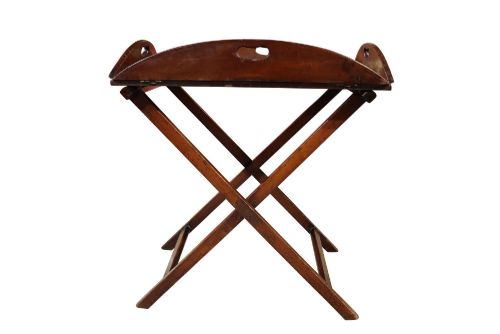
When searching for an english regency tray, a buyer examines serving dishes, platters, butler's trays on folding stands, and decorative toleware pieces originating from the nineteenth century. These objects served domestic households for afternoon tea, drinks service, and desk organisation.
The most common versions met on this page include papier-mâché trays, mahogany butler's trays, and porcelain serving dishes dating from the Georgian and Regency periods. Makers also produced ironstone meat platters, silver salvers, and lacquer boxes with trays.
Examples span from early nineteenth century porcelain dessert dishes to later regency revival tray tables from the nineteen-thirties. The material range encompasses wood, metal, porcelain, and papier-mâché.
Materials and Technique
Craftsmen utilised mahogany, satinwood, and papier-mâché to build the foundational bodies of trays and serving stands. Wood pieces often incorporate folding stands, whilst papier-mâché items provide a smooth surface for painted decoration.
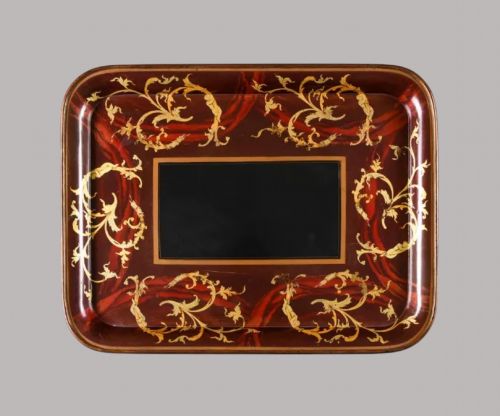
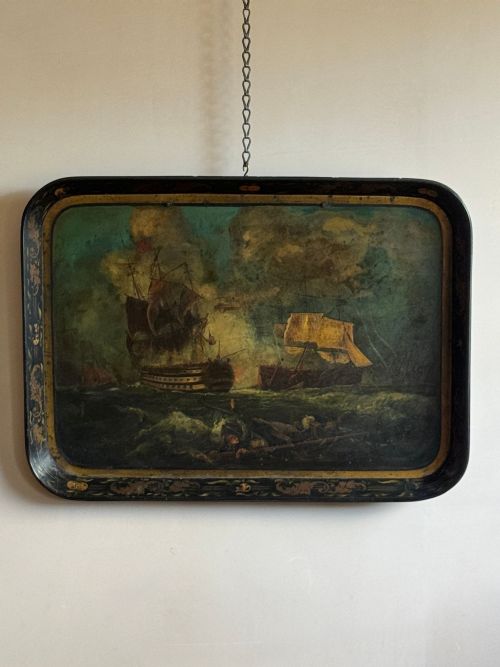
Makers applied japanning, gold leaf, enamel, and paint to decorate surfaces with landscapes and gilt patterns. Silver and Sheffield plate items display solid metal construction and applied ornamentation.
Quality and Decoration
The preservation of original painted decoration, gilding, and japanning separates standard utilitarian items from finer decorative pieces. Hand-painted landscape scenes and retained original surfaces indicate superior workshop output.
Material choice and structural integrity define the grade of each piece, distinguishing solid mahogany butler's trays and substantial silver inkstands from simpler wares.
S.C. Younge & Co.·Chamberlain’s Worcester·Ridgway·Spode·Duesbury & Kean·Barr, Flight & Barr·Mason’s·Jennens & Bettridge
The English Regency Tray Glossary
- Papier-mâché
- A composite material made from paper pulp or layers of paper bound with glue, used for forming lightweight trays that accept painted and japanned finishes.
- Toleware
- Metalware, typically tin or iron, coated with a lacquer or enamel finish and often decorated with paint or gilding.
- Salver
- A metal tray used for serving food or drinks, or for presenting items.
- Japanning
- A European imitation of East Asian lacquerwork achieved through the application of resin-based varnishes and paints, cured by heat.
- Butler's tray
- A removable wooden tray designed to sit upon a folding X-frame stand for serving drinks or afternoon tea.
English Regency Tray: Frequently Asked Questions
How were butler's trays used?
Butler's trays provided a portable surface for carrying tea, food, or drinks from the kitchen to the parlour. The removable tray lifted off its folding stand for easy clearing.
Servants utilised the stands to set up temporary serving stations in entertaining spaces. The raised edges kept glassware secure during transit.
What is papier-mâché?
Papier-mâché is a durable composite material formed from layers of paper or pulp mixed with binding agents. Craftsmen shaped this mixture into rigid trays before applying decorative finishes.
Manufacturers then coated the hardened forms with dark lacquers and painted detailed scenes upon them. This technique produced lightweight yet sturdy serving articles.
How do I care for a painted tray?
Painted and japanned trays require gentle dusting with a dry, soft cloth to protect the historic surface layer. Moisture and harsh cleaning agents damage original paint and gold leaf.
Keep wooden and papier-mâché trays away from direct sunlight and excessive humidity. Proper placement prevents warping and protects delicate decorative finishes.
What is toleware?
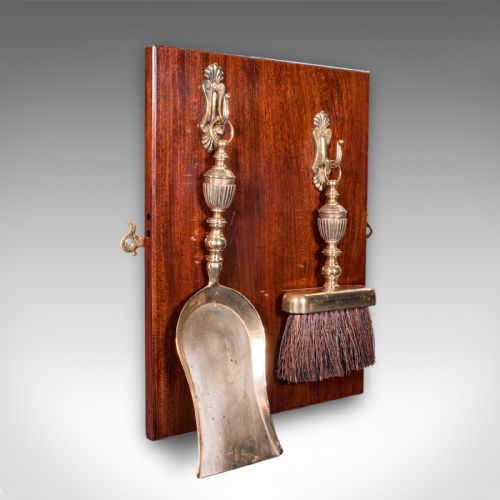
Toleware consists of metal objects treated with specialised varnishes and enamels to mimic Asian lacquer techniques. These pieces include painted trays, boxes, and fireside accessories.
Craftsmen applied dark backgrounds and highlighted them with contrasting paint or gilding. This technique offered a decorative and robust alternative to ceramic or wooden wares.