


English Regency Painting
English regency painting brings together the confident portraits and delicate botanical ceramics that defined a stylish era.
English Regency Painting
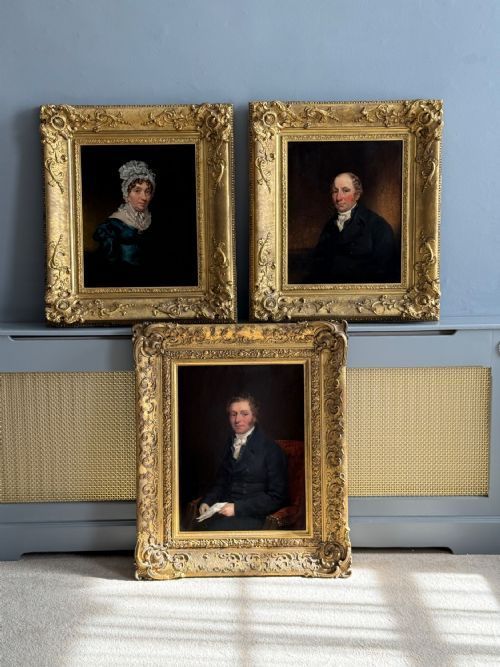
When you search for english regency painting, you encounter oil portraits on canvas and panel alongside intricately decorated porcelain and painted furniture from the early nineteenth century. These items capture the artistic output of the Regency, Georgian, and wider nineteenth-century periods, showing a distinct shift towards refined portraiture and decorative domestic wares.
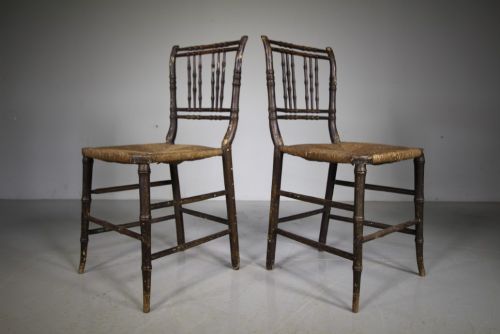
The oil paintings range from intimate portrait miniatures to large canvas works by established artists depicting notable sitters. Alongside these hang painted pine furnishings and decorative items where surface pigment forms an integral part of the design.
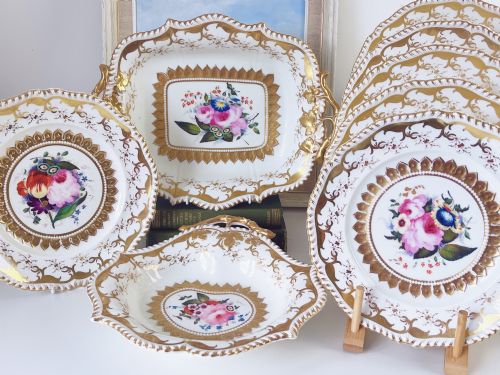
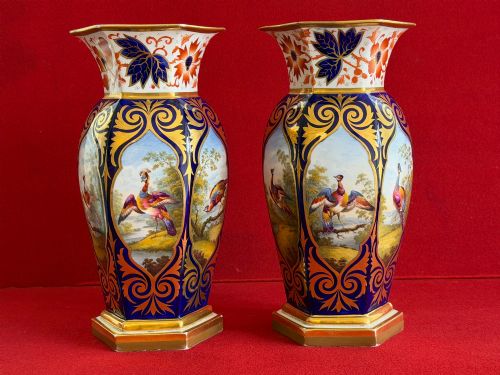
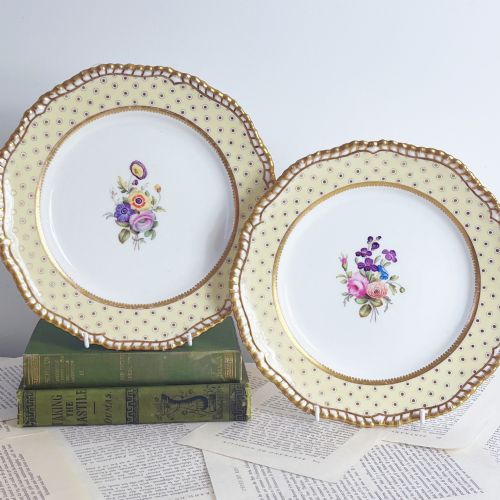
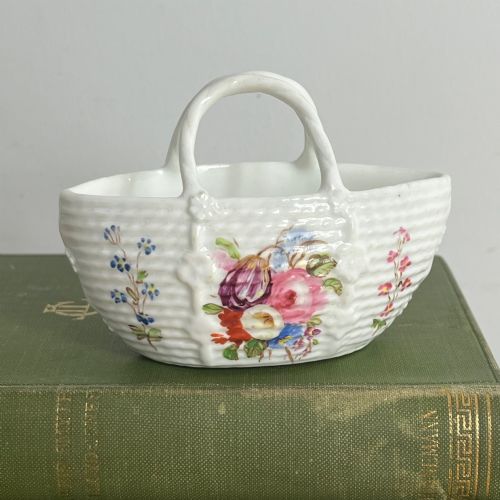
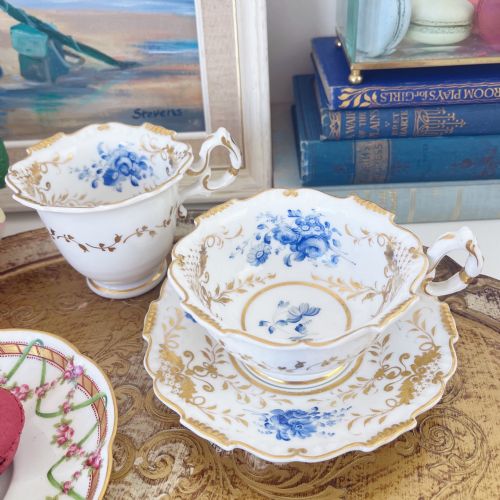
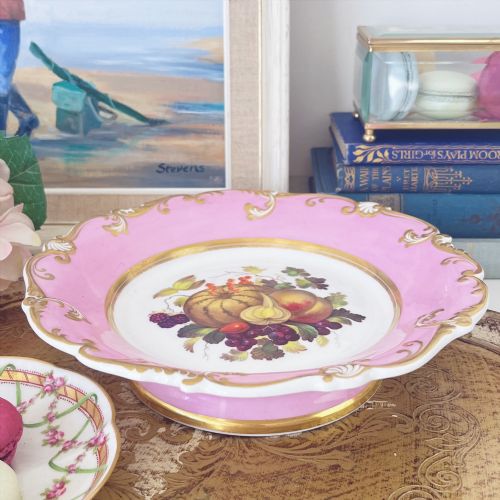
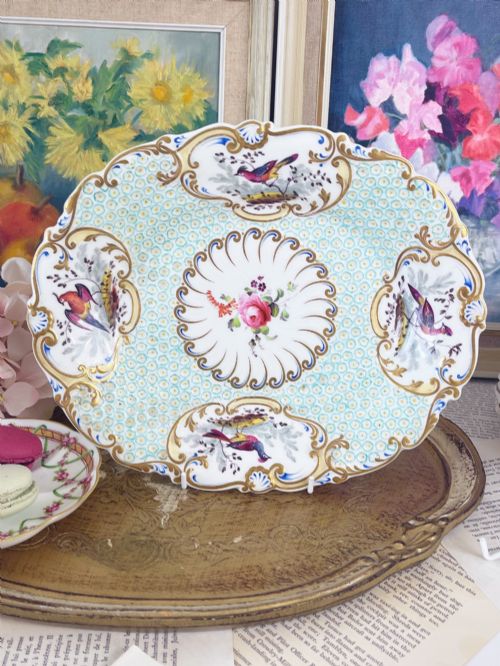
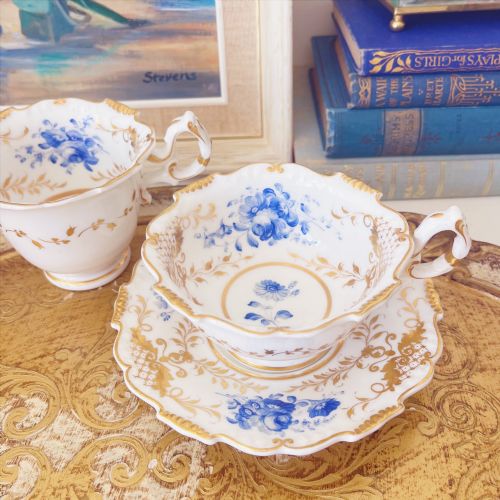
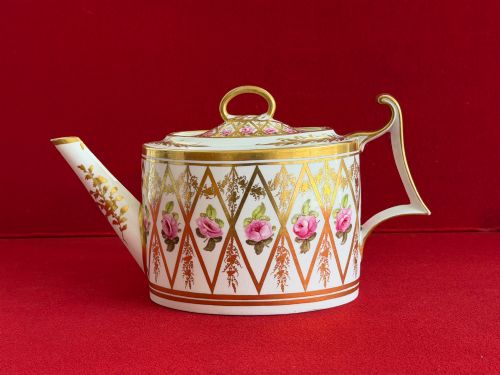
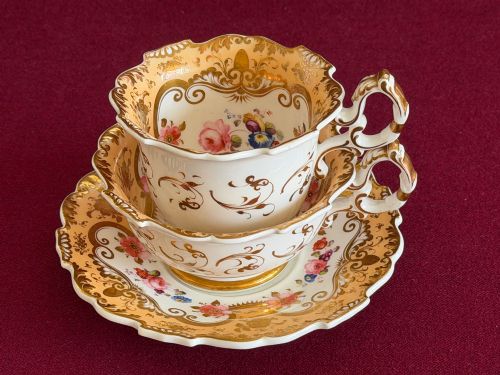
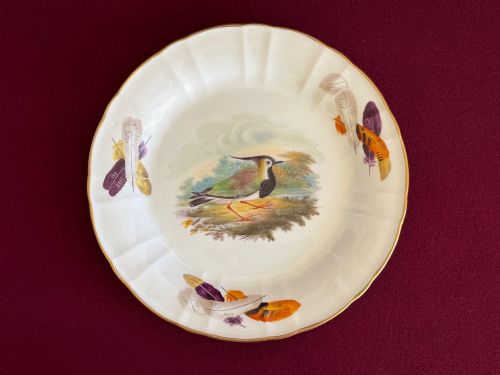
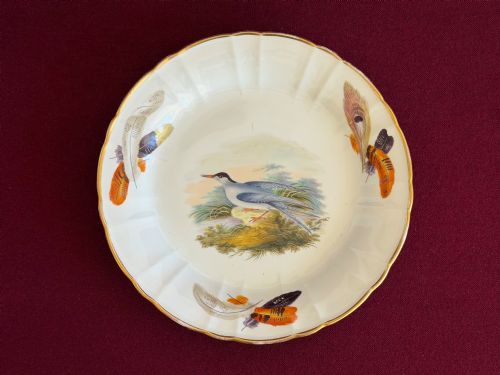
Ceramics form a large component of this category, featuring handpainted floral motifs and birds upon bone china, porcelain, and creamware. Tea services, cabinet plates, and comports carry detailed brushwork that links them directly to the pictorial arts of the time.
How they were made
Makers applied oil paints to prepared canvas and wooden panels, capturing fine details in portraiture through layered glazes and precise brushwork. Enamel miniatures utilised vitreous pastes fused to metal supports by heat to achieve lasting brilliance.
Ceramics such as porcelain, bone china, and creamware were shaped, fired, and subsequently handpainted with botanical and avian subjects using mineral pigments. Artisans also employed gilding and gold leaf to accent porcelain vessels and frames.
Furniture and decorative objects relied on painted pine, mahogany, and leather treated with pigments, sometimes incorporating verre églomise panels to create reflective surface depth.
Listings feature porcelain, enamel, gold leaf, paint, bone china, glass, and pine across the nineteenth, Regency, Georgian, and eighteenth centuries.
What varies in quality
The purity and translucency of the porcelain body, alongside the crispness of the moulded forms, dictate the standing of ceramic items. Finer dessert services and cabinet plates display meticulous handpainted details that required advanced firing control to prevent pigment distortion.
Joseph Clover RA·Flight Barr And Barr·H And R Daniel·Henry Bone ARA·Horace Hone·Sir Thomas Lawrence·John Opie RA·Samuel Kellett·Sir William Beechey RA
The English Regency Painting Glossary
- Panel
- A flat piece of wood used as a support for oil paintings. Artists frequently painted portraits on panel during the Georgian and Regency eras before canvas gained total dominance.
- Porcelain
- A white, vitrified ceramic material fired at high temperatures. English factories during the Regency developed refined bone china and porcelain bodies for luxury tableware and cabinet pieces.
- Verre églomise
- A cold decoration technique where artists applied gold or silver leaf to glass, then etched and painted designs on the reverse. It frequently appears in Regency mirror panels and decorative frames.
- Comport
- A raised dish or tazza used for serving fruit or sweets during formal dessert courses. Regency examples often feature elaborate handpainted grounds and gilt accents.
- Creamware
- A refined earthenware with a pale yellow or cream-coloured lead glaze developed in England. It provided a smooth surface for painted decoration before bone china became widespread.
English Regency Painting: Frequently Asked Questions
How are painted ceramics connected to paintings?
The ceramic pieces grouped in this category feature handpainted botanical scenes, birds, and figures executed by skilled studio artists. Factories employed painters who translated fine art techniques onto porcelain surfaces.
Consequently, cabinet plates, teacups, and comports function as miniature canvases. They display the exact same palette and decorative sensibilities found in contemporary framed works.
How do I identify a Regency period piece?
Identifying a Regency item involves examining the stylistic markers, materials, and documented maker marks typical of the early nineteenth century. Portrait subjects often wear clothing, hairstyles, and jewels specific to the Regency and late Georgian eras.
Porcelain pieces carry specific pattern numbers and factory marks from makers operating between eighteen hundred and eighteen thirty. Comparing these details against known manufacturer records confirms the date.
Where were these pieces displayed originally?
Paintings and decorative ceramics were traditionally displayed in the reception rooms, drawing rooms, and dining parlours of British townhouses and country estates. Large oil portraits hung in panelled galleries or formal hallways to project family lineage.
Smaller cabinet plates, porcelain baskets, and enamels were kept in display cabinets or utilised during formal dining rituals. They served both a decorative and a functional purpose in elite domestic spaces.