


Female Miniature Painting
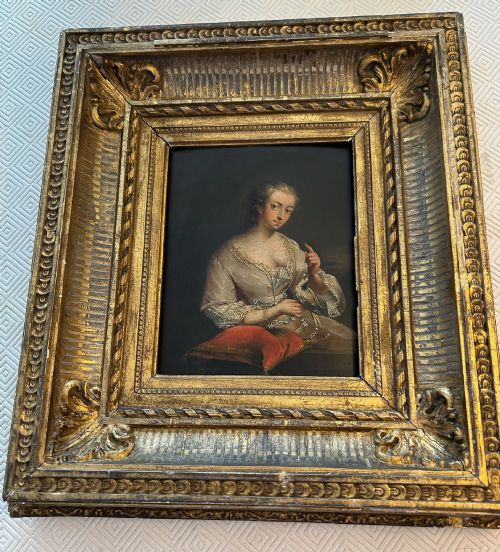
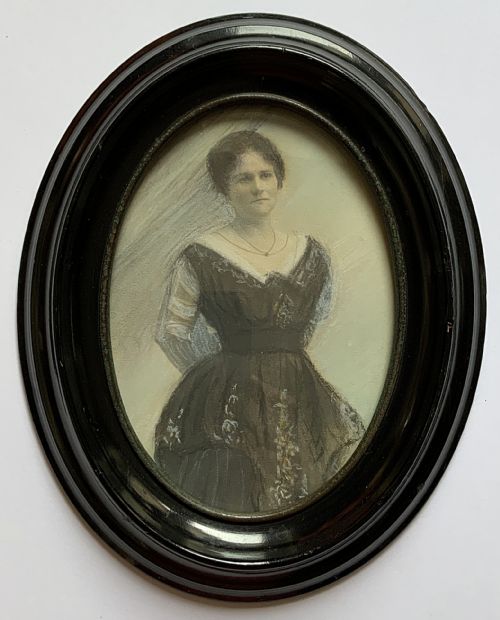
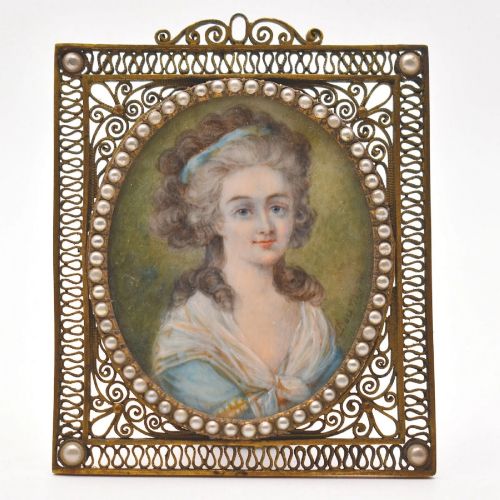
These small likenesses carry centuries of fashion, their careful brushwork capturing a female miniature painting across Georgian, Regency and Victorian eras.
Female Miniature Painting
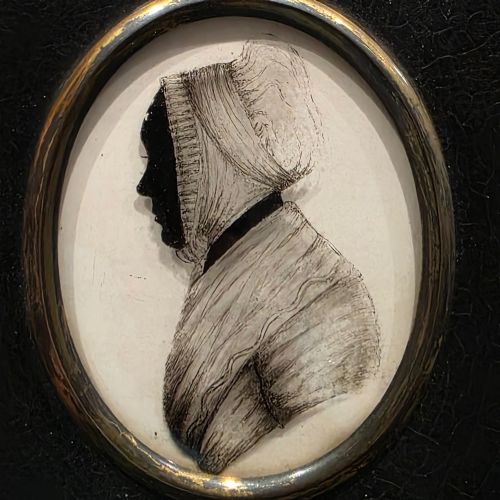
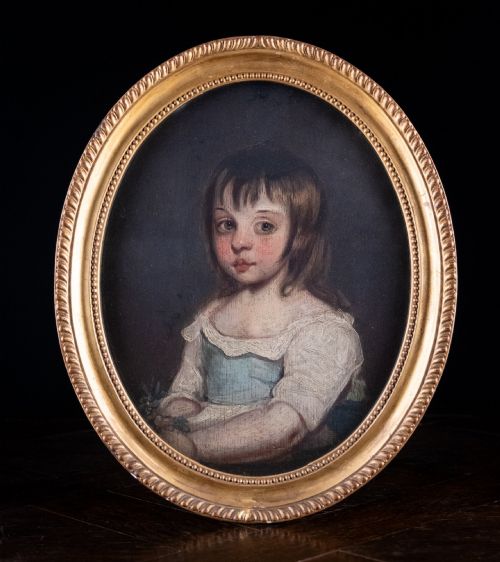
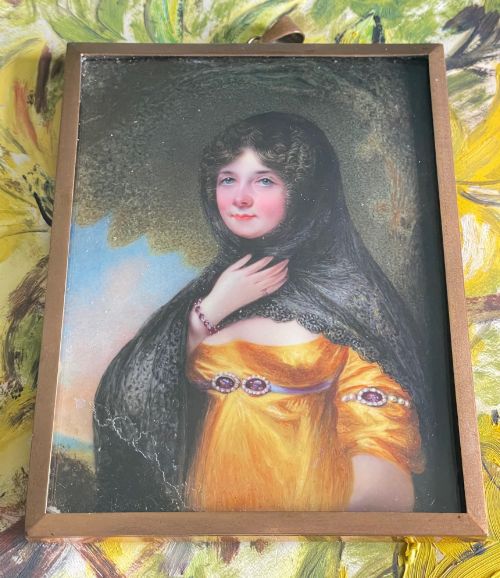
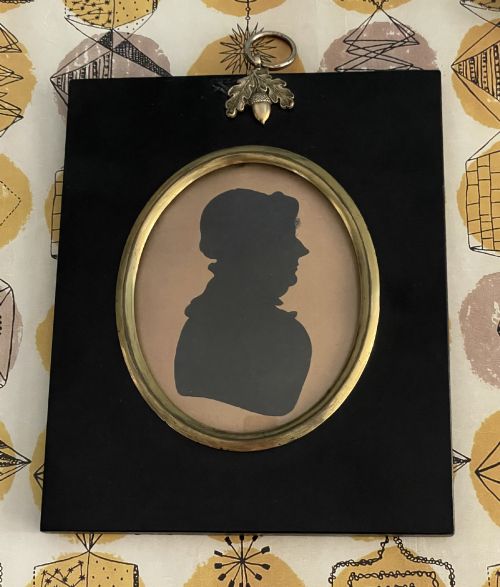
A female miniature painting presents a small portrait of a woman, rendered with delicate precision. These works range from Georgian silhouettes to detailed Victorian watercolours and Art Deco studies.
Most examples found here date across the eighteenth and nineteenth centuries, often depicting named sitters or anonymous ladies in period dress. They appear in formats such as oval watercolours, enamel panels and reverse-painted glass silhouettes.
The objects frequently retain their original protective enclosures, including frames made of wood, gilt metal, brass and maple. They serve as intimate records of personal history, fashion and miniature art.
What varies in quality
The condition of the delicate paint surface and the originality of the contemporary frame also separate standard examples from finer works by recorded artists.
At least one lady is immortalised wearing a fancy dress costume.
Horace Hone·James Gillespie·Jean-Baptiste van Loo·Christian Friedrich Zincke·Nicolas Freese·Albin R Burt·James Ferguson·Susie Lassam·George Atkinson·Emma Kendrick·Edward Smyth·Henry Pierce Bone·Isaac Wane Slater
The Female Miniature Painting Glossary
- Miniature painting
- A small-scale portrait created with fine detail using watercolour, enamel or oil on materials such as ivory or vellum. These works often required magnification during the painting process.
- Silhouette
- A portrait represented as a solid shape, usually black, showing profile views. Some examples include added colour or gilt highlights upon glass or paper.
- Gouache
- An opaque water-based paint that provides solid areas of colour and matte finishes. It frequently appears alongside watercolour in nineteenth-century portraiture.
- Vellum
- A fine parchment prepared from calfskin used as a smooth painting surface. Its tight grain allowed artists to apply minute strokes without absorption.
- Reverse painting on glass
- A technique where the image is painted directly onto the rear side of a glass panel and viewed from the front. This method protects the pigment from atmospheric damage.
Female Miniature Painting: Frequently Asked Questions
How were female miniature paintings originally displayed?
Owners hung these small works on walls in groupings or kept them inside protective leather cases for personal viewing.
Some designs incorporated loops for wearing as lockets or pendants close to the body.
What materials are common in these paintings?
Watercolour and gouache on paper, ivory or vellum form the primary painted surfaces. Enamel on metal and reverse-painted glass also appear.
Frames utilise brass, gilt metal, wood and rosewood to house the delicate panels.
How do I date a miniature portrait?
Costume, hairstyle and frame construction offer the clearest indicators of period. High collars, bonnets and Regency gowns correspond to specific decades.
Signatures, artist inscriptions and written notes on the reverse provide further chronological evidence.
Are these portraits usually signed by the artist?
Many examples remain anonymous, produced by regional practitioners or unsigned professional miniaturists. Signed works usually bear initials or full names discreetly placed near the edge of the composition.
Attributions often rely on stylistic comparison with documented works by known painters.