






English Regency Dining Table
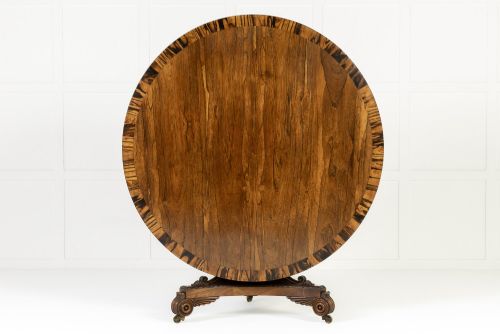
An English regency dining table brings architectural balance and warmth to a room through rich timbers and clean pedestals.
English Regency Dining Table
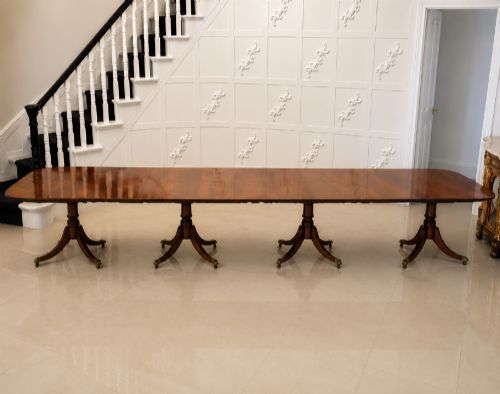
An English regency dining table brings formal dining history into modern rooms through versatile formats like twin pillars, drop leaves, and extending banquet designs. Pieces span the broader Regency era alongside Georgian, George IV, and William IV periods, reflecting the shifting tastes of the early nineteenth century. Buyers encounter everything from compact four-seat breakfast tables to grand multi-pedestal banquet tables stretching for dozens of guests.
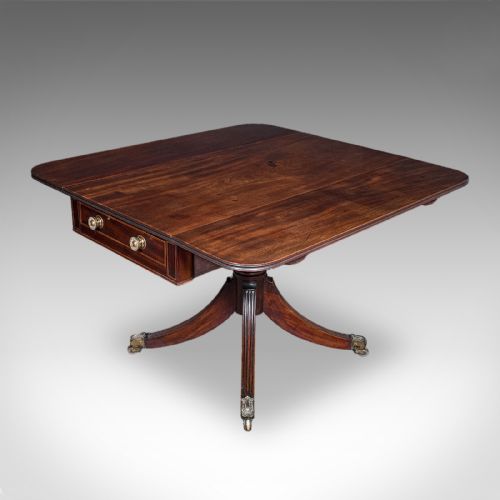
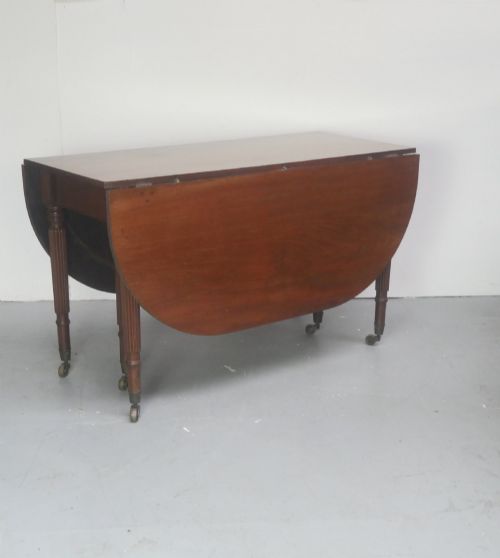
Forms range widely across the record, incorporating pedestal breakfast tables, Pembroke drop-leaf variants, and extending tables with removable leaves. Maker attribution appears on specific examples, such as stamped pieces by Gillows of Lancaster or recorded works by Thomas Treherne. These tables serve daily family meals as readily as formal gatherings, functioning as practical antiques built for regular use.
Materials and construction methods
Cabinet makers relied heavily on solid mahogany and flame mahogany veneers, prized for deep grain figures and warm patination. Secondary timbers like sycamore and pine appear alongside exotic accents in rosewood, pollard oak, and macassar ebony.
Structural integrity relied on heavy pedestal bases with brass claw casters, telescopic mechanisms for extending banquet frames, and stable tilt-top actions. Joinery integrated brass fittings and precision turning to support large dining surfaces safely.
Some tables double as gaming surfaces, proving that nineteenth-century diners enjoyed a quick wager between courses.
Assessing craftsmanship and execution
Superior examples distinguish themselves through the selection of highly figured timber veneers matched symmetrically across the table top. Finely cast brass details, original hardware, and crisp carving on pedestal columns separate master workshops from provincial joinery.
Structural balance dictates longevity, seen in smooth extending mechanisms and stable pedestal mounts that prevent wobble under heavy loads. The integration of original leaves and maker stamps elevates the standing of individual pieces within the market.
Gillows . Lancaster·Thomas Treherne
The English Regency Dining Table Glossary
- Twin pillar
- A dining table construction featuring two separate pedestal columns supporting an extending top. This layout provides stability and accommodates multiple extra leaves.
- Tilt-top
- A mechanism allowing the tabletop to pivot vertically against the pedestal when not in use. This design conserved valuable floor space in nineteenth-century homes.
- Flame mahogany
- A veneer cut from timber fork junctions displaying characteristic fiery, undulating grain patterns. Cabinet makers placed these veneers centrally to create decorative symmetry.
- Pembroke table
- A small drop-leaf table featuring hinged flaps on opposing sides and frequently a single drawer. These versatile pieces functioned as breakfast tables or compact dining surfaces.
- D-end
- A semicircular table end that detached or separated to form part of a larger extending dining arrangement. Multiple D-ends combined with central leaves to build long banquet tables.
English Regency Dining Table: Frequently Asked Questions
How do I seat twelve people?
Many tables utilise modular twin-pillar designs or removable leaves to expand for large gatherings. Owners insert these additional sections into the central frame when hosting dinner parties.
Buyers should verify leaf counts and mechanism types to ensure the extended frame remains stable across its full length.
What is a tilt-top table?
A tilt-top table incorporates a clever pivot mechanism beneath the central column allowing the surface to fold vertically. This historical feature enabled households to store tables against walls when rooms required open floor space.
Collectors look for secure locking latches that keep the top rigid and flat during dining use.
How do I care for mahogany?
Maintenance requires regular dusting with a soft cloth and occasional treatment with appropriate wax to nourish the timber grain. Direct sunlight and excessive heat sources should be avoided to prevent veneer cracking.
Proper humidity control preserves the rich patination developed over centuries of polish and handling.
Are these tables sturdy daily?
Solid mahogany frames and heavy pedestal bases provide exceptional weight and structural integrity for everyday meals. Brass castors allow smoother repositioning across wooden floors or carpets.
Routine inspection of joints and pedestal mountings ensures the piece remains safe and level during regular family use.