


English Porcelain Creamer
These English porcelain creamer pieces range from delicate Georgian sparrowbeak jugs to painted Royal Worcester vessels, offering tactile charm for your table.
English Porcelain Creamer
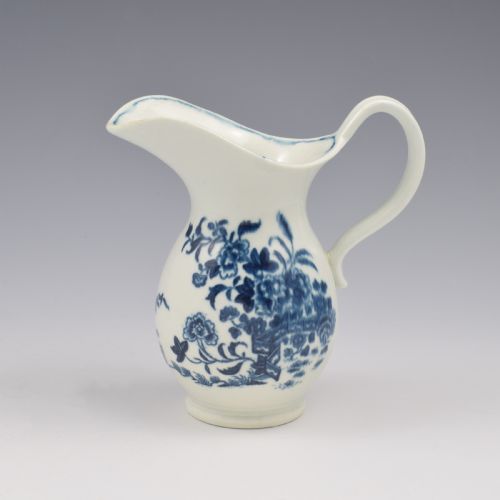
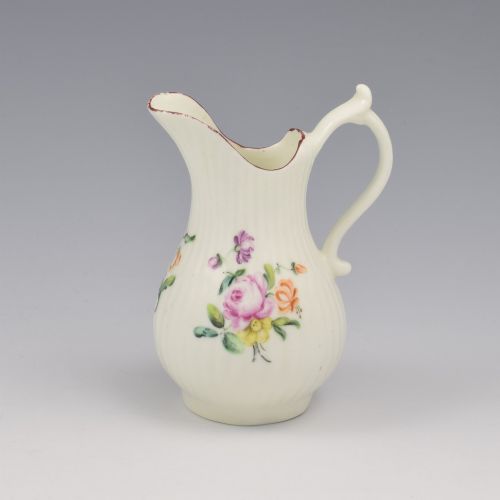
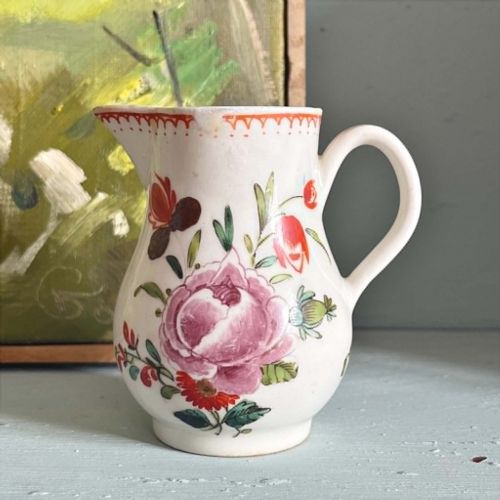
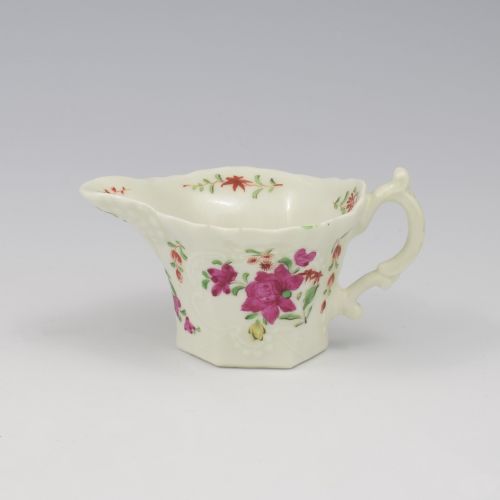
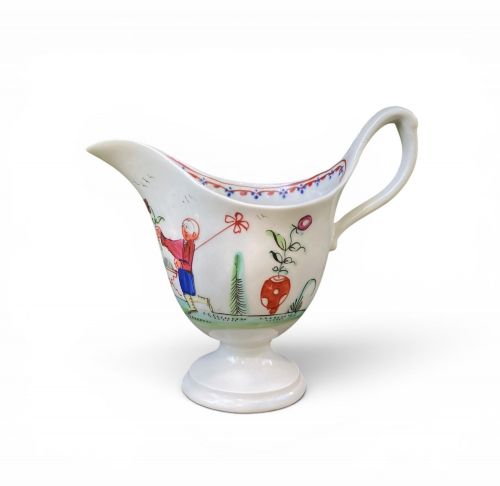
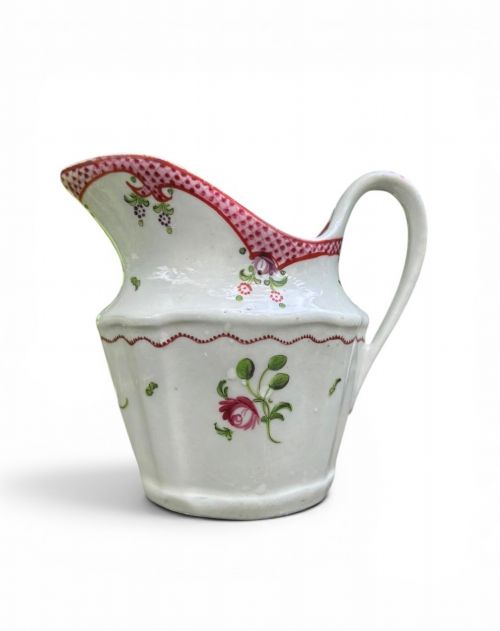
An English porcelain creamer serves as a small pouring vessel for milk or cream, appearing across periods from the eighteenth century to the twentieth century. These pieces take various forms including cream jugs, milk jugs, sauce boats, and ewers.
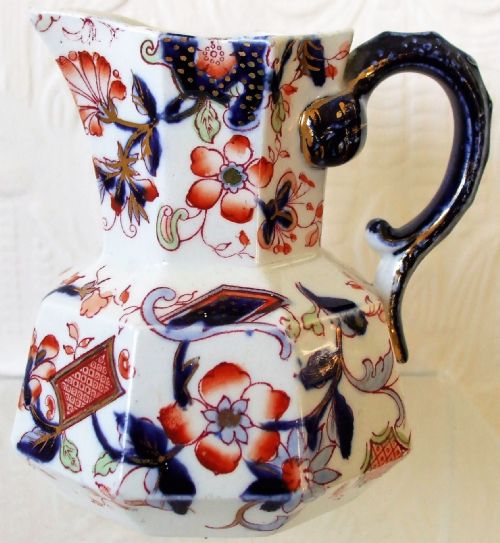
The selections on this page span Georgian, Victorian, and Regency eras alongside later twentieth-century output. Buyers regularly encounter shapes such as the sparrowbeak, the baluster, and the hydra handle.
Early examples often originate from factories like Worcester, Bow, and Derby, while nineteenth-century items bring names such as Masons, New Hall, and Royal Worcester. Traditional English styles dominate the group, alongside occasional revival motifs.
Materials and production techniques
Potters constructed these vessels using porcelain, soft-paste porcelain, and ironstone, sometimes incorporating body variations like the lamprey handle or the dolphin ewer form. Early pieces utilise delicate potting methods characteristic of eighteenth-century kilns.
Decoration relied heavily on hand-painting, polychrome flowers, armorial crests, and transfer printing. Artisans applied gold leaf, gilding, and enamel accents to elevate the finished appearance of the ceramic body.
Listings feature porcelain, soft-paste porcelain, and ironstone across periods from the eighteenth century to the twentieth century.
Distinctions in quality and execution
The standard of a creamer depends on the crispness of the moulding and the delicacy of the porcelain body. Early soft-paste pieces show varying translucency and weight depending on the exact kiln recipe.
Painted decoration separates standard domestic ware from masterwork pieces. Skilled brushwork in polychrome florals or detailed fruit studies by named hands elevates the artistic merit of the vessel.
Dr Wall Worcester·New Hall·Royal Worcester·Masons·Rockingham
The English Porcelain Creamer Glossary
- Sparrowbeak
- A small, early eighteenth-century cream jug shape featuring a distinct pinched spout resembling a bird's beak. This form is particularly associated with factories like Bow and Worcester.
- Soft-Paste Porcelain
- An artificial porcelain composition fired at lower temperatures than hard paste, popular in eighteenth-century English factories. It yields a warm, slightly creamy body with high translucency.
- Hydra Jug
- A ceramic pitcher featuring a serpent or hydra-form handle, often paired with a classical body shape. Potters utilised this neoclassical silhouette during the Georgian and Victorian periods.
- Kakiemon
- A style of Japanese enamelled decoration adopted by European porcelain factories featuring asymmetrical floral and animal motifs. English makers reproduced these colourful patterns on various tea wares.
- Ironstone
- A heavy, durable type of earthenware patented in the nineteenth century to imitate true porcelain. It provides a sturdy body suitable for robust everyday utility.
English Porcelain Creamer: Frequently Asked Questions
How do I date an antique creamer?
Examine the base, handle style, and paste composition to determine the era of manufacture. Eighteenth-century pieces typically feature soft-paste bodies and hand-painted underglaze blue or polychrome enamels.
Later nineteenth-century pieces often display printed factory marks, firmer ironstone bodies, or Victorian revival aesthetics. Comparing the shape to documented factory forms helps narrow down the decade.
What is a sparrowbeak jug?
A sparrowbeak jug is a small eighteenth-century milk or cream vessel characterised by a pinched, protruding spout. This compact form was common during the early porcelain period.
Collectors prize these diminutive jugs for their delicate proportions and early soft-paste porcelain bodies.
How were these creamers used historically?
These vessels were placed on the tea table to hold milk or cream for adding to brewed tea. Wealthy households matched them with teapots, sugar bowls, and cups as part of a larger service.
Today, they function well for serving cream or stand alone as decorative ceramic cabinet pieces.
What is the difference between porcelain and ironstone?
True porcelain and soft-paste porcelain are vitrified ceramic materials that often display translucency when held to the light. They formed the basis for fine eighteenth and early nineteenth-century tea wares.
Ironstone, patented later, is a dense and heavy earthenware designed for durability. It offers a robust alternative that resists chipping during daily use.