



English Painted Pine Furniture
English painted pine furniture brings practical warmth into a room, offering honest vernacular storage and seating shaped by centuries of country house use.
English Painted Pine Furniture
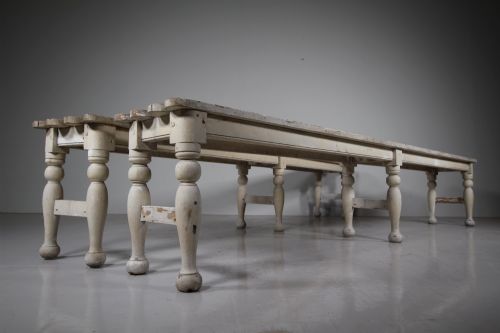
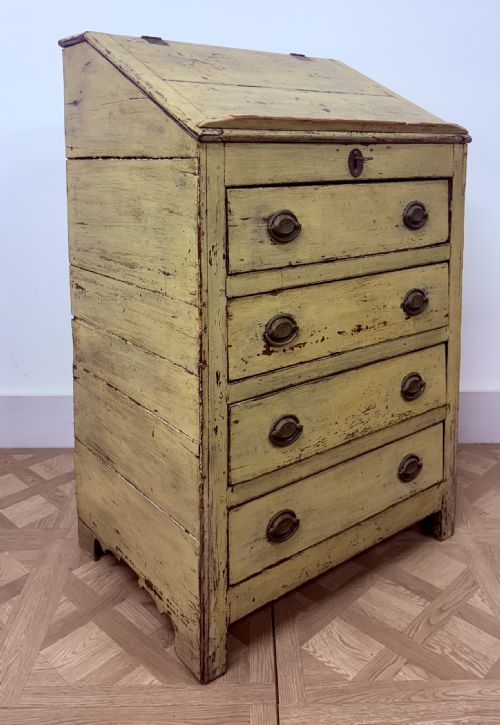
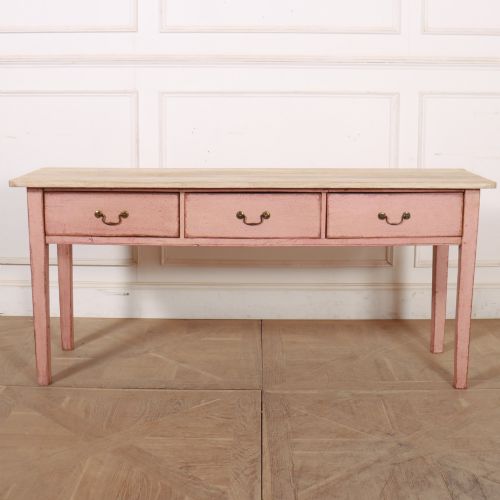
These pieces encompass utilitarian storage, seating, and display forms rooted in domestic traditions, spanning chests of drawers, cupboards, dressers, benches, and tables. English painted pine furniture relies on native softwood rendered serviceable through centuries of daily household application.
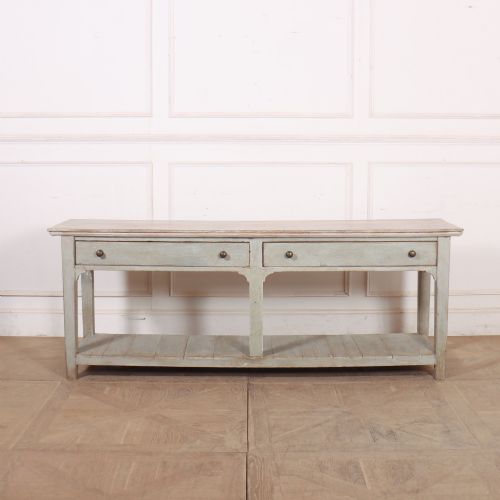
The selections encountered here range from Georgian housekeepers' cupboards and provincial chests of drawers to Victorian settles and kitchen dresser bases. These items represent the functional backbone of English country houses, farmhouses, and taverns.
Domestic forms dominate the inventory, notably functional storage like linen cupboards and two-part corner cabinets alongside high-backed settles and side tables. Each object retains the straightforward utility demanded by its original rural or provincial setting.
Construction and surface finishes
Makers constructed these pieces using solid pine, joining panels with basic carpentry methods suited to softwood timbers. Hard-wearing construction ensured daily domestic resilience in kitchens, sculleries, and hallways.
Surfaces received protective and decorative coatings, including original paint, scumble finishes, and simulated graining. Later overpainting also occurs on pieces originally constructed during the Georgian era, reflecting changing domestic tastes over time.
English Painted Pine Furniture Retail Price Guide 2026
Typical asking prices for english painted pine furniture among the pieces listed under this phrase on Sellingantiques today, from the lower quarter to the upper quarter. They describe what is for sale here now, not the wider market.
Materials recorded across these items include solid pine, glass, ceramic, brass fittings, and various historic paint surfaces.
Defining quality in country pine
Quality rests upon the integrity of the original surface and the survival of early or untouched paint layers. Pieces retaining their honest, unstripped character stand apart from those subjected to later modern alterations or heavy restoration.
Structural proportion and the crispness of vernacular joinery dictate the merit of individual items. Well-balanced proportions in larger forms like dresser bases and housekeeping cupboards separate utilitarian workshop output from finer provincial craftsmanship.
Melissa White
The English Painted Pine Furniture Glossary
- Scumble paint
- A translucent glaze manipulated with combs, rags, or brushes to imitate the rich grain of more expensive hardwoods like oak or mahogany. This decorative technique was widely utilised on pine furniture during the Victorian period.
- Potboard dresser base
- A kitchen or dining room sideboard featuring an open lower shelf traditionally used for storing pots and heavy domestic earthenware. These baseline surfaces anchor the utility of English country kitchens.
- Settle
- A high-backed wooden bench with solid arms and a closed base designed to block cold draughts in large provincial halls and tavern interiors. They represent a primary form of vernacular seating.
- Housekeeper's cupboard
- A large tall storage cabinet traditionally utilised for housing household linens, dry goods, and provisions under lock and key. These substantial pieces formed the organizational centre of large country houses.
- Simulated pine
- A painted surface finish designed to imitate the appearance of timber through decorative brushwork. Artisans applied these treatments to transform basic utility woods into richer decorative finishes.
English Painted Pine Furniture: Frequently Asked Questions
How do I care for painted pine?
Keep these pieces away from direct heat sources and strong sunlight to prevent the timber from drying out and the paint layers from flaking. Dust gently with a soft dry cloth rather than applying modern chemical polishes that can soften old paint.
Maintain stable indoor humidity levels to protect both the underlying pine and the historic surface finish. Gentle care preserves the honest character accumulated over generations of domestic use.
Are these pieces original or later painted?
The inventory includes items with genuine original country house paint alongside pieces that received later decorative treatments in subsequent centuries. Examining the wear patterns around handles and edges helps reveal the age of the surface.
Paint analysis and close inspection under natural light assist in determining whether a finish dates to the construction period or a later century. Both original surfaces and historic re-paintings carry their own authentic history.
Where were these pieces used originally?
These items served functional roles in provincial farmhouses, country estate service rooms, rectories, and rural taverns. They furnished kitchens, sculleries, and hallways where practical storage took priority over formal display.
Large cupboards stored provisions and linens, while settles provided sheltered seating near hearths. Their design directly reflects the daily routines of historic English domestic life.
How do I identify a Georgian piece?
Georgian examples often display restrained proportions, hand-cut dovetails in drawer construction, and structural joinery typical of the eighteenth century. They frequently utilise native pine combined with simple brass hardware appropriate to the period.
Comparing the drawer construction and timber thickness against known eighteenth-century standards helps confirm the era. Provincial workshops built these items with a directness that distinguishes them from later Victorian output.