


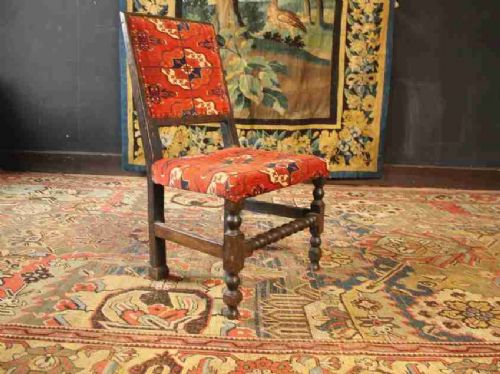

English Oak Side Chair
An english oak side chair brings centuries of functional domestic history into a modern room through honest timber and straightforward joinery.
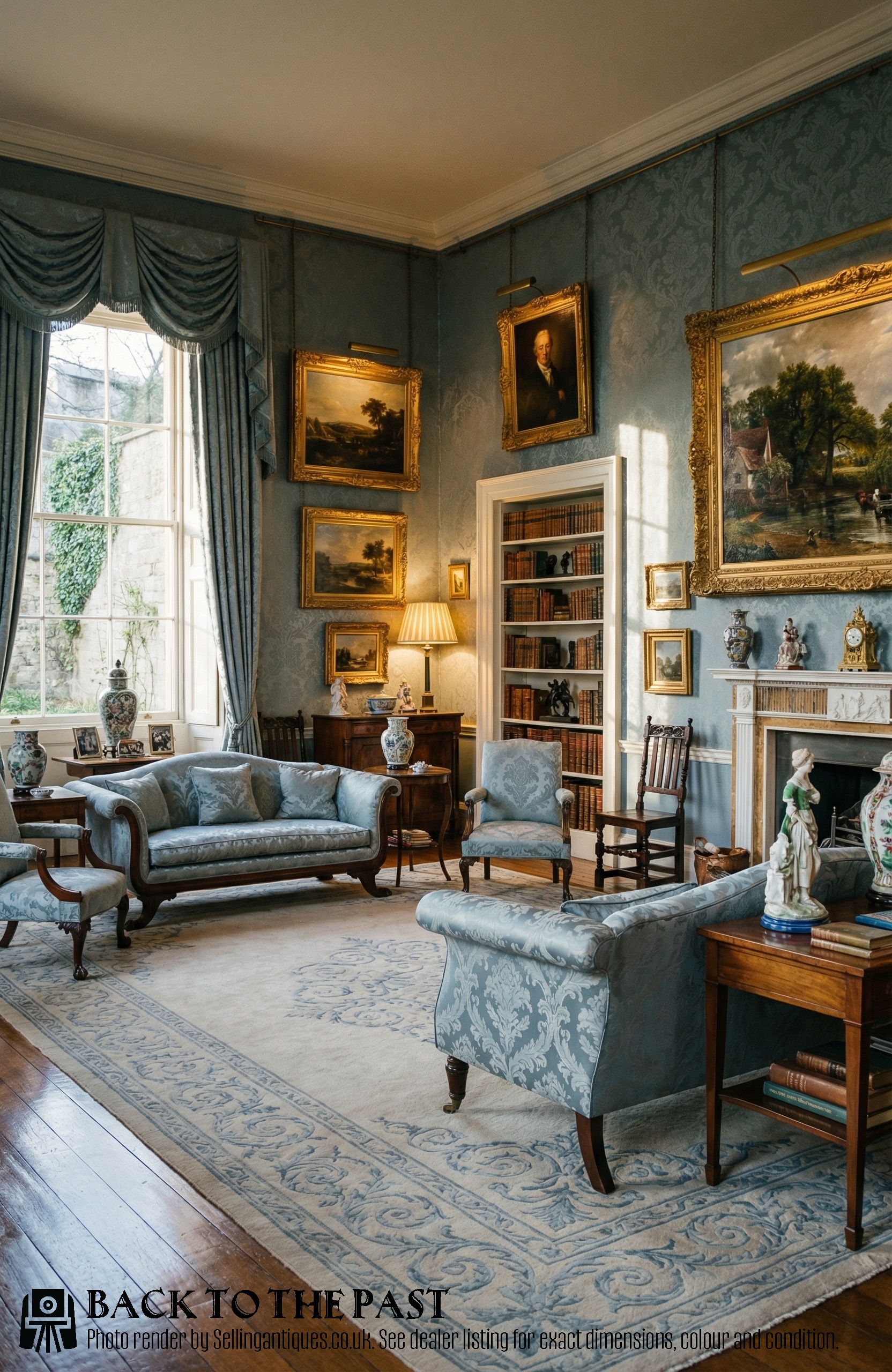
English Oak Side Chair
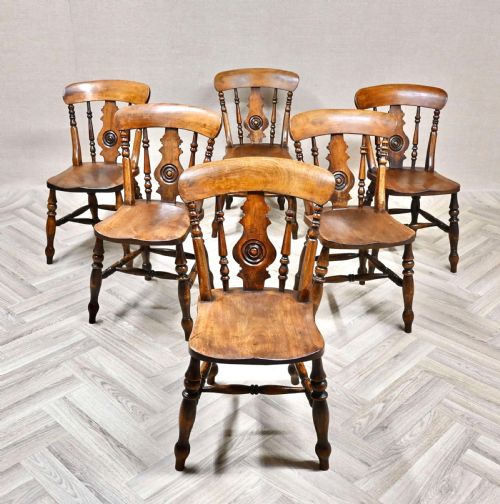
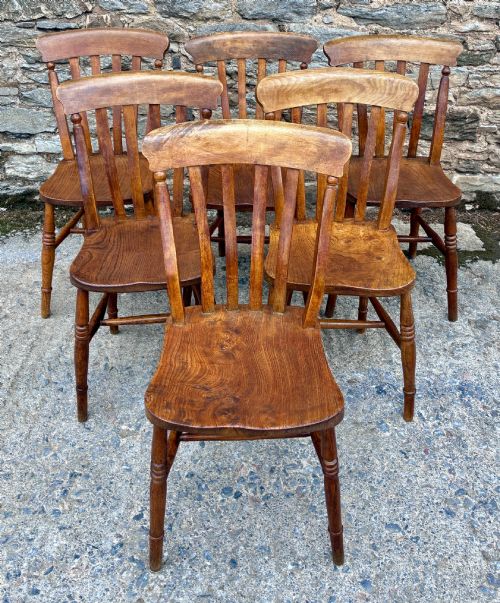
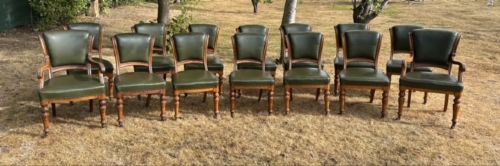
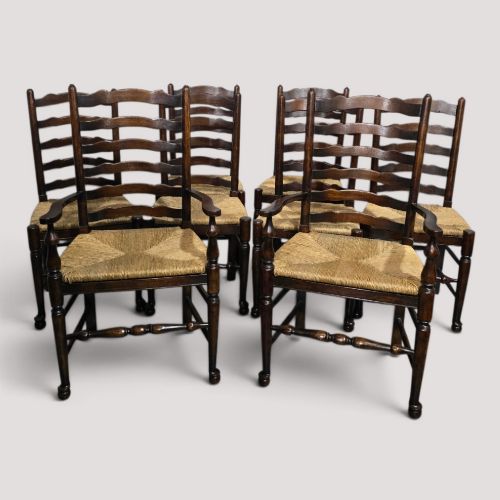
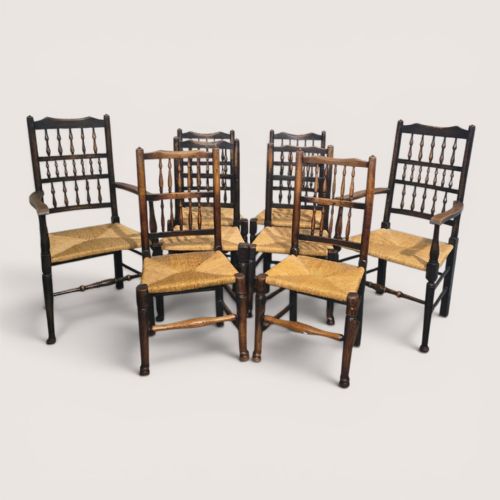
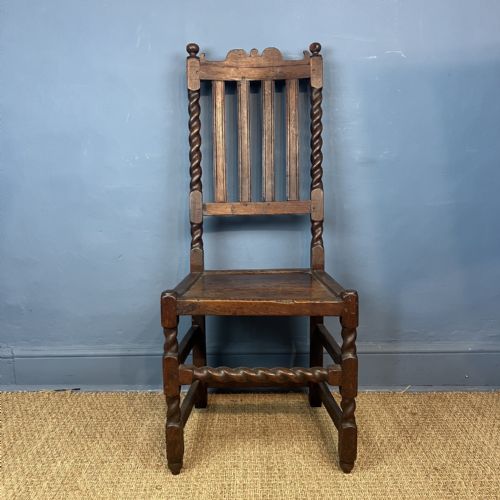
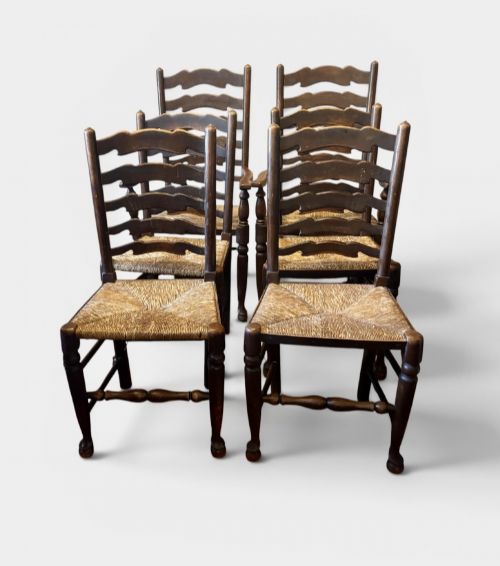
An english oak side chair encompasses forms ranging from austere seventeenth century backstools to nineteenth century provincial vernacular seating and later revival dining sets. Buyers encounter everything from tall, carved Yorkshire and Derbyshire regional chairs to utilitarian ladder backs and rush seated farmhouse examples.
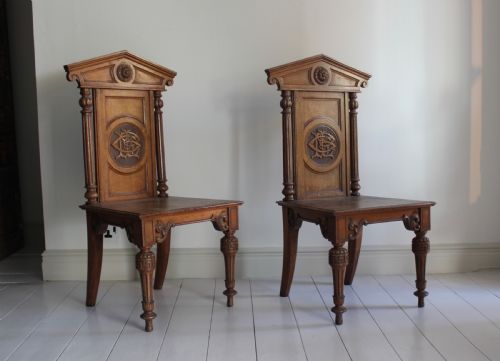
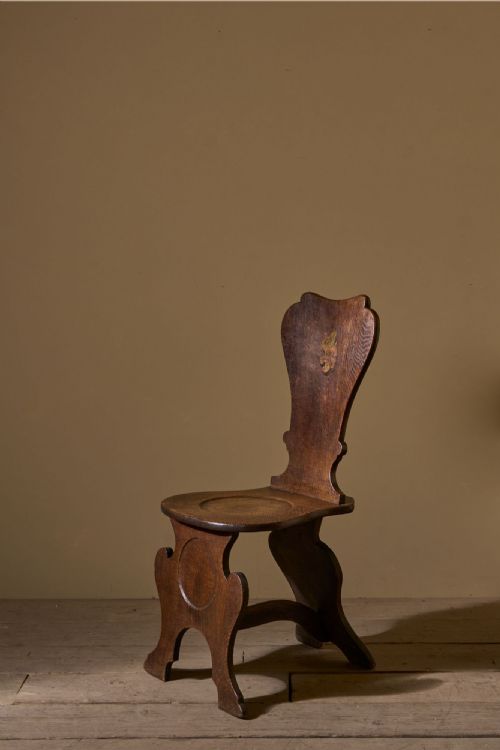
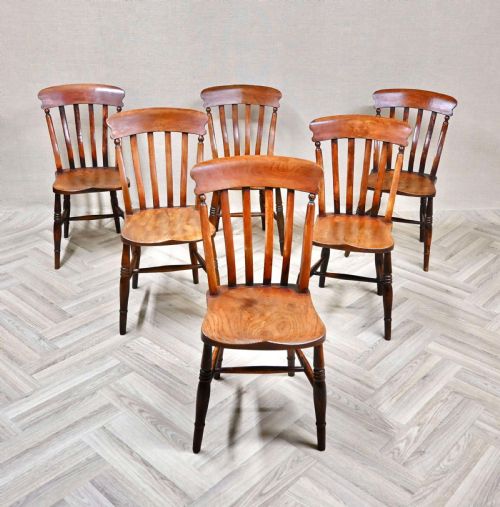
The selection bridges formal country house dining seats with simple kitchen Windsor designs and Gothic revival hall chairs. Pieces span multiple centuries, reflecting evolving domestic needs while maintaining a primary function as moveable, armless seating.
Regional variations appear frequently, connecting individual pieces to specific historic traditions such as Lancashire, Shropshire, or Suffolk workshops. These items served around tables, in halls, and beside desks, surviving through utility and sturdy construction.
Materials and construction methods
Makers relied primarily on native British oak for frames, complemented by secondary timbers like elm, beech, and ash for seats or turned components. Carpenters and joiners utilised mortise and tenon joints, pegged construction, and bobbin or spindle turning to build rigid structures without metal fasteners.
Seating areas often integrated woven rush, solid plank timber, or stretched leather attached with brass studs. Carving, panel shaping, and applied mouldings added decorative detail to crest rails and central splats on higher status examples.
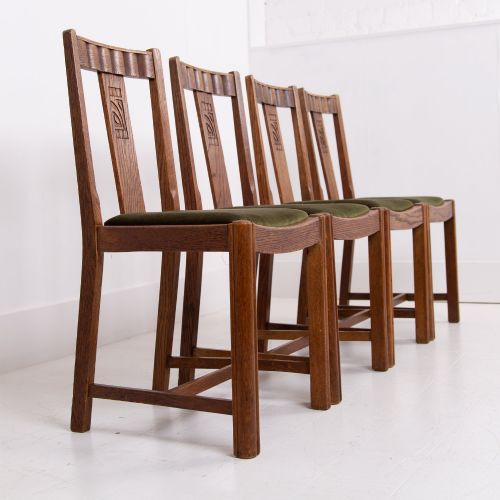
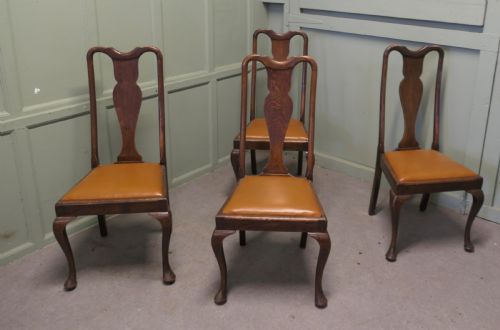
Listings feature oak chairs spanning from the 17th century through the 1930s, incorporating rush, leather, and brass detailing.
Factors determining quality
Quality rests on the integrity of the original timber and the survival of early surfaces without excessive modern intervention. Crispness in hand carved details, such as those found on seventeenth century backstools or Victorian Gothic hall chairs, distinguishes superior workshop output.
Structural coherence matters greatly, where original pegging, uncompromised joinery, and minimal timber replacement preserve the historical value of the piece. Proportion, balance, and the natural patination acquired through centuries of use separate ordinary utility seating from exceptional survivals.
William Birch Ltd·Bell Barn Furniture
The English Oak Side Chair Glossary
- Backstool
- An early term for an upholstered or panelled side chair without arms, common in the seventeenth century. These precursors to modern dining chairs offered upright support.
- Splats
- The vertical wooden strip placed in the centre of a chair back. It provides structural support and often carries carved or shaped decoration.
- Lathe back
- A chair back constructed with turned wooden spindles. This form is frequently seen in country and kitchen seating.
- Farthingale chair
- A wide, armless chair from the seventeenth century designed to accommodate voluminous contemporary dresses. They typically feature upholstered seats and backs.
- Wainscot chair
- A heavy wooden chair constructed with panelled backboards reminiscent of wall panelling. These early forms denote high status and solid joinery.
- Bobbin turning
- A form of decorative woodwork produced on a lathe to resemble a series of reels or bobbins. It appears frequently on seventeenth century framing.
English Oak Side Chair: Frequently Asked Questions
How do I date an early oak chair?
Dating relies on construction methods, joint types, and stylistic indicators present in the woodwork. Hand-carved motifs and pegged mortise and tenon joints typically signal earlier periods.
Secondary woods, nail types, and wear patterns also help establish the chronological context of the piece.
Were these chairs used at dining tables?
Many examples served primarily in halls, bedchambers, or alongside desks rather than formal dining settings. Over time, surviving side chairs found a natural home around modern dining tables.
Their sturdy oak frames and armless profiles made them practical for multiple domestic tasks.
What is a backstool?
A backstool is an early form of side chair featuring an upright back but no arms. The term appears frequently in seventeenth-century inventories and descriptions.
These pieces provided simple, movable seating before matched dining sets became standard practice.
How should I care for antique oak?
Maintain stable indoor humidity and keep antique oak away from direct heat sources and strong sunlight. Regular dusting with a dry cloth preserves the historic surface finish.
Avoid modern silicone polishes, which can penetrate open-grain timber and damage the patina.