

English Longcase Floor Clock
These tall floor-standing timepieces, commonly known as english longcase floor clock examples, bring mechanical presence and centuries of cabinet-making skill into a room.
English Longcase Floor Clock
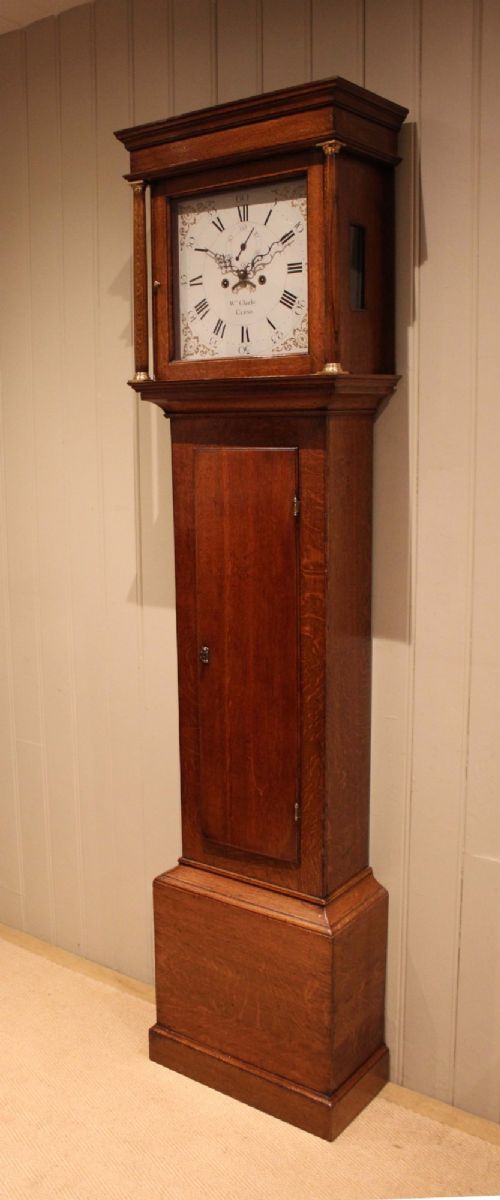
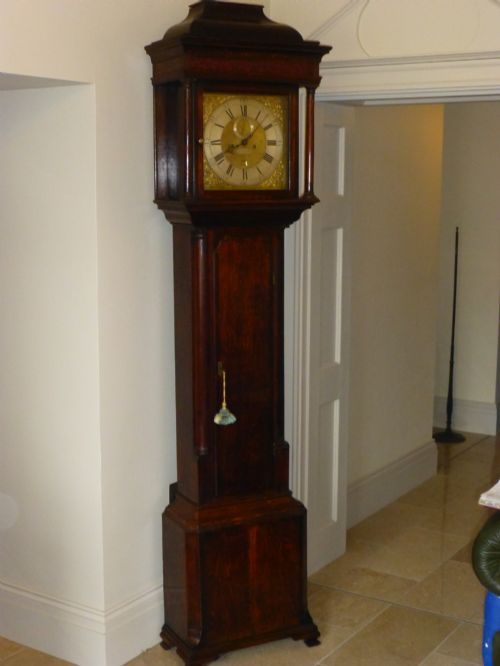
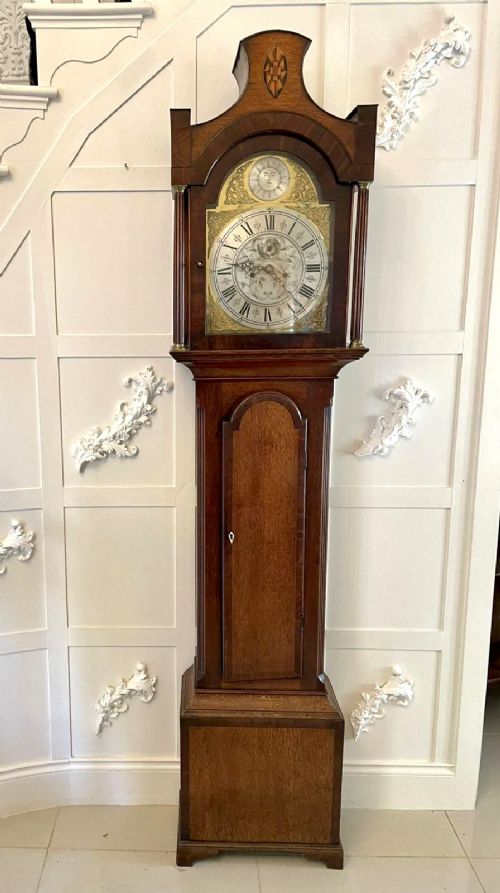
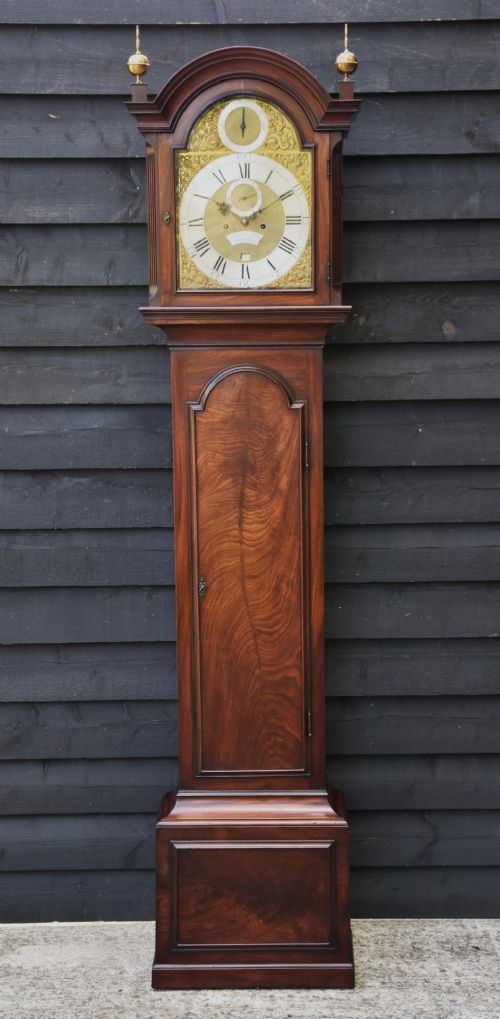
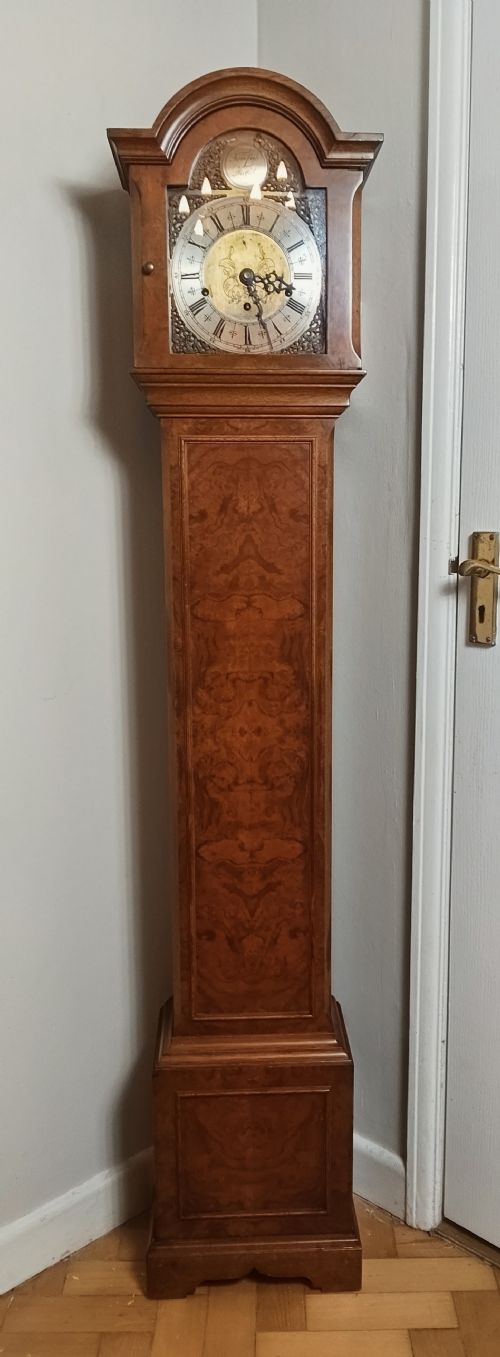
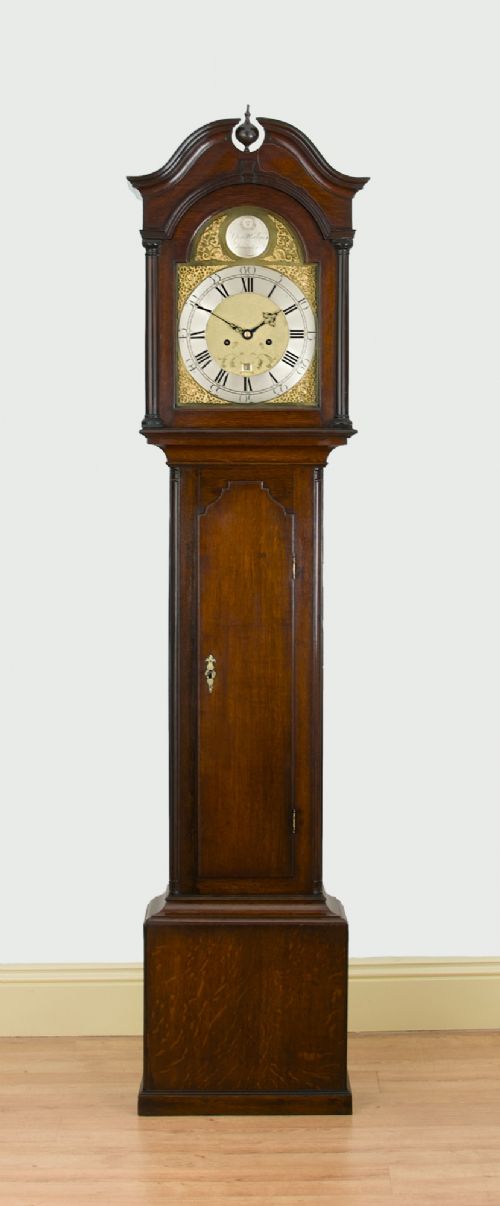
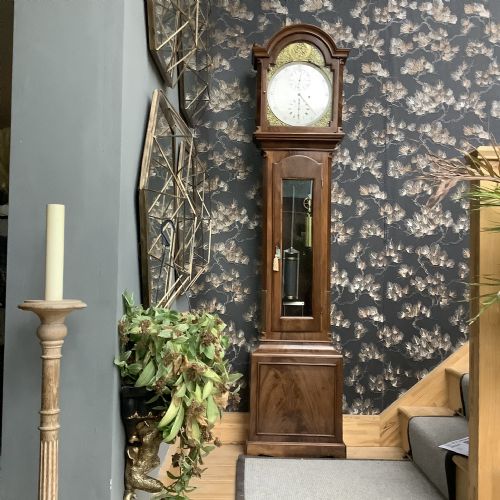
When you search for an english longcase floor clock, you encounter upright wooden floor-standing timepieces that span from the seventeenth century through to the twentieth century. The selection ranges from grand full-sized floor models down to smaller grandmother clocks.
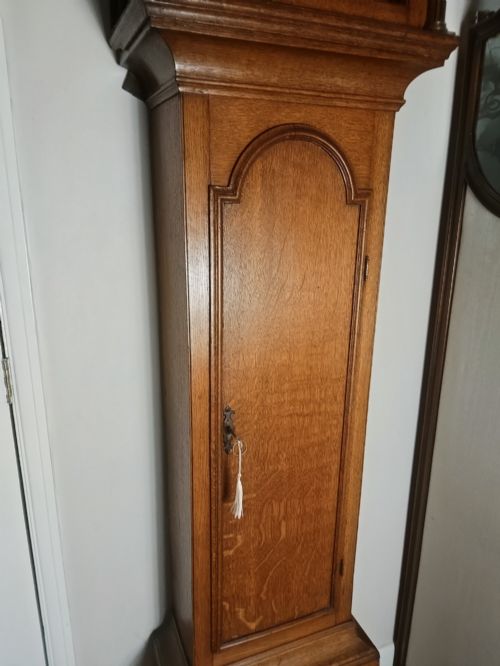
Georgian examples predominate, alongside earlier walnut and marquetry pieces and later Edwardian and mid-twentieth-century iterations. Cases vary in proportion, encompassing simple regional oak housing as well as elaborate London and provincial output.
Materials and movement construction
Clockmakers fitted brass movements ranging from simple thirty-hour mechanisms to complex eight-day systems, moonphase indicators and musical chiming trains. Dials combine engraved brass work with steel hands and occasionally painted details.
Some provincial makers proudly signed their dials so thoroughly that the town name outlasted the original family business.
Judging build and execution
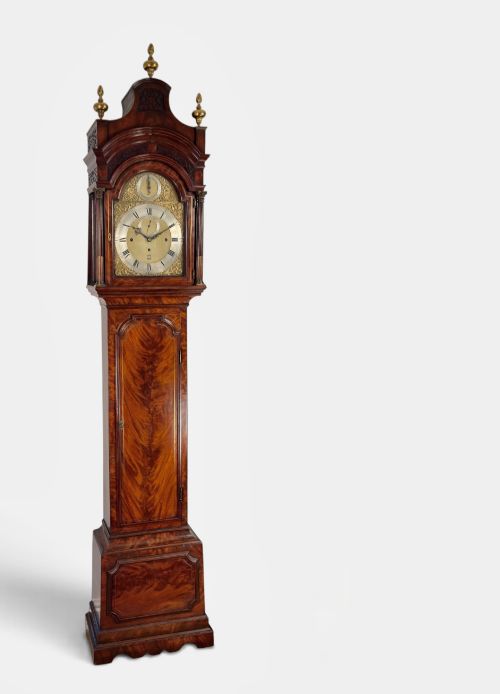
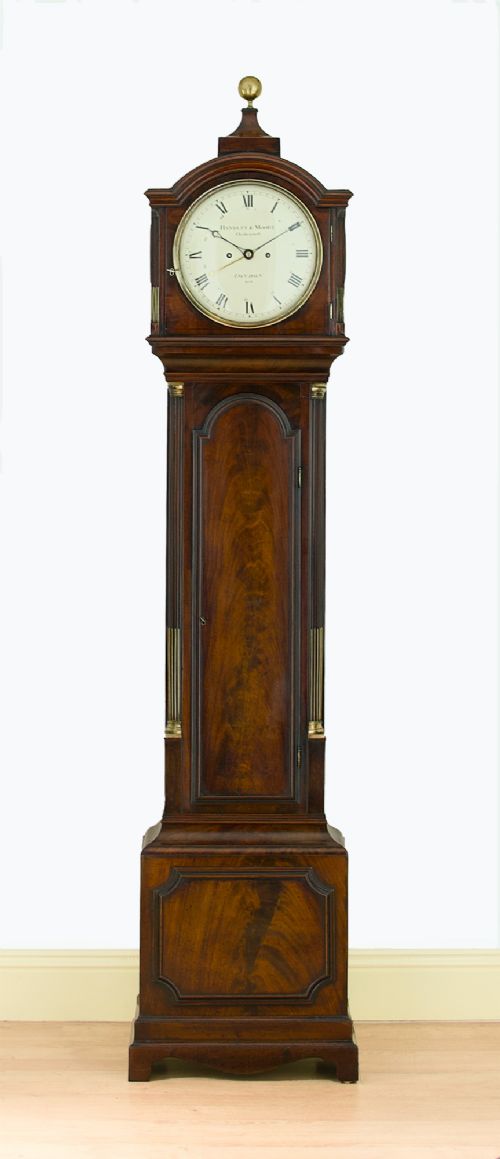
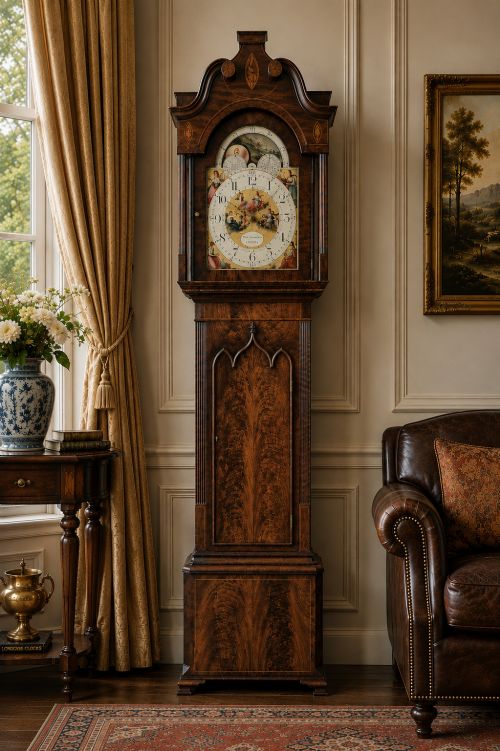
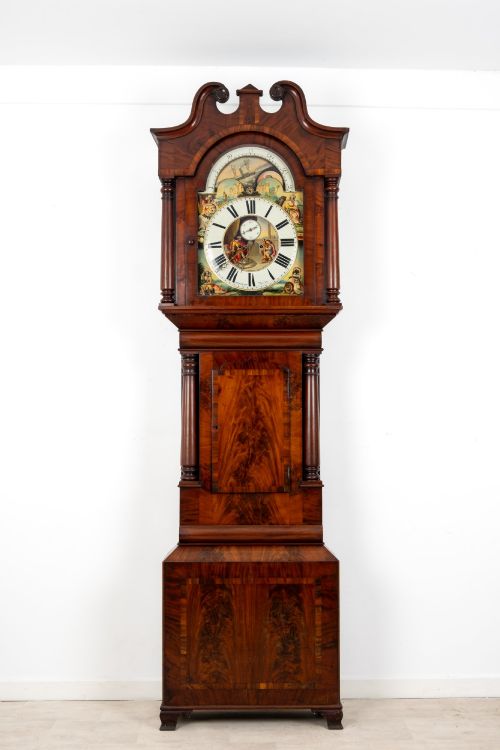
Quality rests in the harmony between the cabinet work and the mechanical movement, particularly where named makers signed the dial. Finer examples display crisp timber figure, well-proportioned hoods with sound frets, and sophisticated movement complications such as quarter striking or musical capabilities.
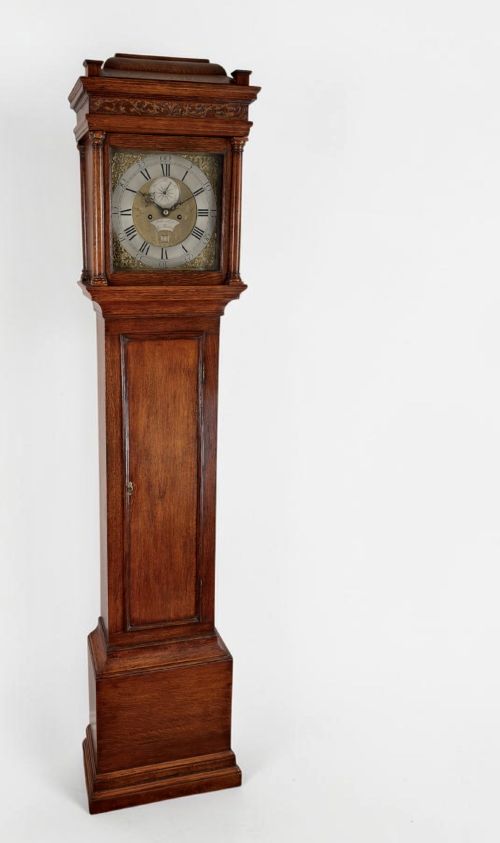
Regional variations show distinct character, from provincial oak cases with single-handed dials to refined London walnut or mahogany architectural cases. The crispness of dial engraving and the original integrity of the timber case dictate the standing of any given piece.
John Fielder of Alton·Gillett & Johnston of Croydon·John Ellicott of London·Richard Corless of Stockport·Handley & Moore·Samuel Kellett of Bredbury·Parkinson Bros Batley·George Hallifax Of Doncaster·Henry Massy·Nathaniel Pyne·Edin Burgis of London·Wise of Reading·William Allam·John Rainsford Leicester Square·Edward Upjohn Exon·Thomas May Of Witney
The English Longcase Floor Clock Glossary
- Longcase clock
- A tall, weight-driven pendulum clock enclosed in a wooden case designed to stand directly on the floor. These pieces are frequently referred to as grandfather clocks.
- Grandmother clock
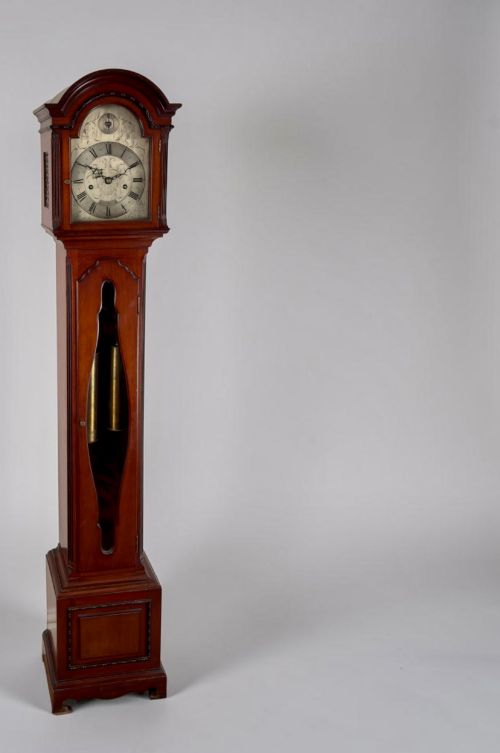
- A smaller, more slender version of the traditional longcase clock, typically produced in the twentieth century. They occupy less floor space while retaining similar mechanical movements.
- Moonphase
- A dial mechanism tracking the phases of the lunar cycle through a rotating disk behind the clock face. This complication adds visual movement and technical intricacy to the dial.
- Chinoiserie
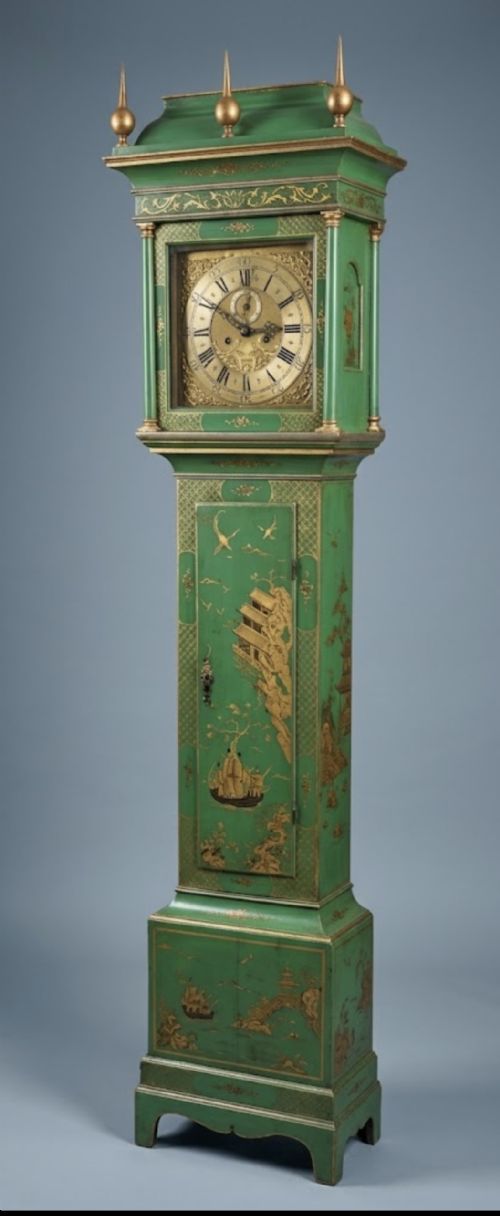
- European decorative lacquerwork imitating East Asian designs, often seen in green or black finishes on eighteenth-century clock cases. This style uses raised motifs and gilt detailing.
- Quarter striking
- A mechanical function where the clock chimes the quarter hours on multiple bells or gongs before sounding the full hour. It demonstrates a higher level of movement complexity.
English Longcase Floor Clock: Frequently Asked Questions
How do I wind an eight-day longcase clock?
You wind an eight-day movement using a crank key inserted into the winding holes on the dial face to draw the weights upward. Care must be taken not to overwind the movement.
Most traditional weights hang on cords or chains inside the trunk. Ensuring the pendulum hangs straight after winding keeps the beat steady.
What is the difference between a grandfather and grandmother clock?
A grandfather clock is the standard full-sized floor-standing timepiece, generally standing over six feet tall. They were built from the seventeenth century onward.
Grandmother clocks are significantly shorter and narrower versions, usually produced during the twentieth century. They fit more easily into modern rooms with lower ceilings.
Why do some dials have a single hand?
Early longcase clocks often featured a single hand indicating hours, with the dial divided into quarter-hour segments to allow precise reading. This simpler mechanical layout was standard before minute hands became universal.
Single-handed movements are typically found on seventeenth and eighteenth-century regional oak clocks. They require a different approach to telling time compared to modern clocks.
How do I set up a longcase clock on a floor?
The clock case must stand completely vertical on a level surface, often secured to the wall behind the hood to prevent tipping. Levelling the case ensures the pendulum swings evenly.
Once the case is stable, the pendulum is hung on its suspension spring and the weights are attached. Setting the beat requires listening to the ticking sound to ensure it alternates evenly.