


English Landscape Watercolour Painting
An english landscape watercolour painting captures the changing moods of the British countryside through translucent washes and delicate brushwork.
English Landscape Watercolour Painting
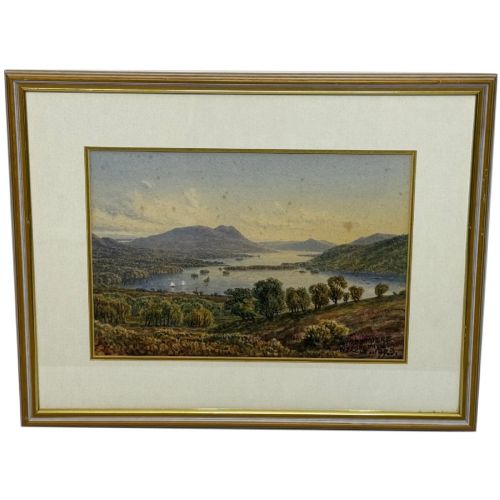
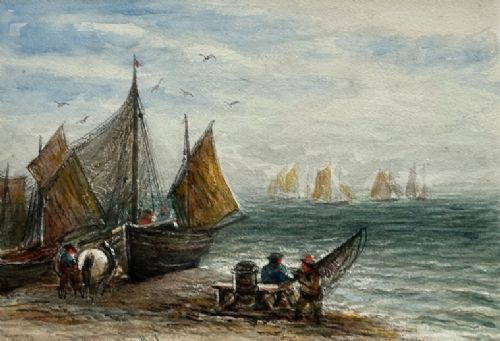
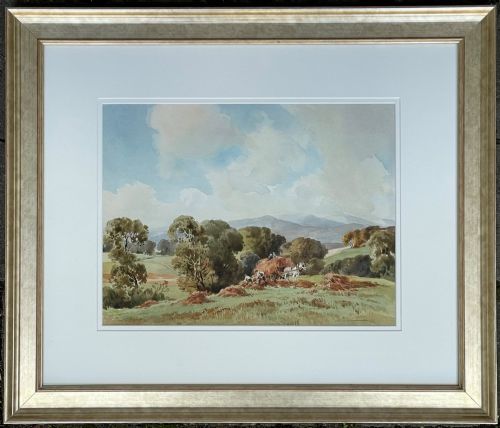
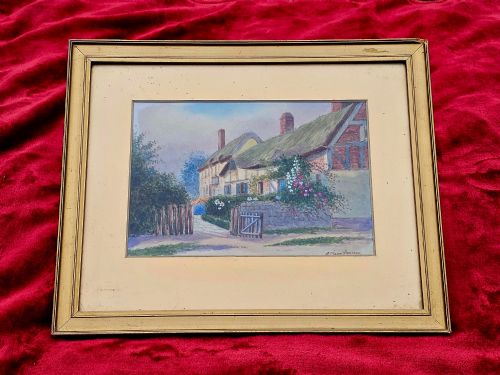
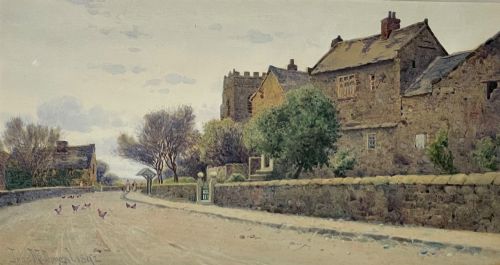
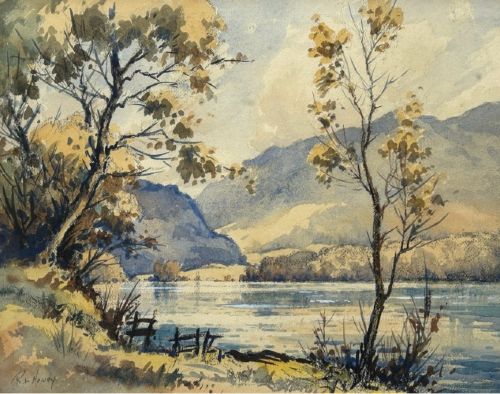
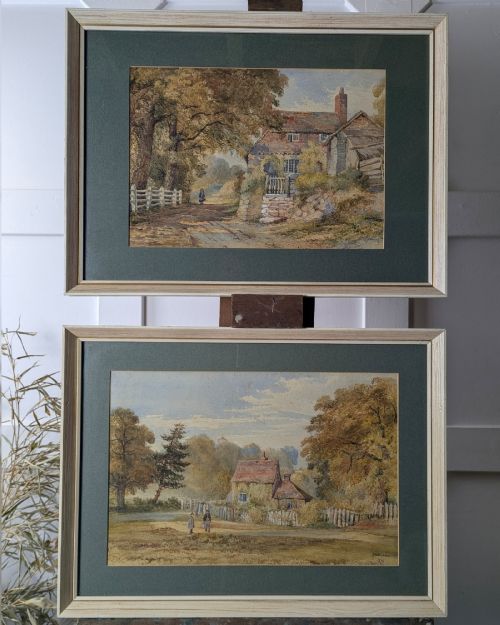
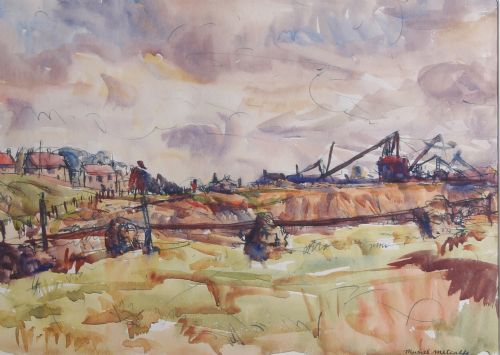
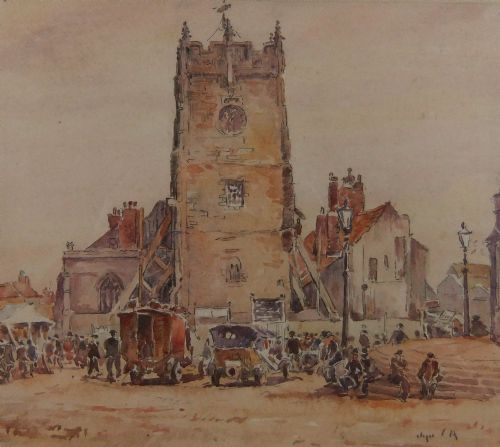
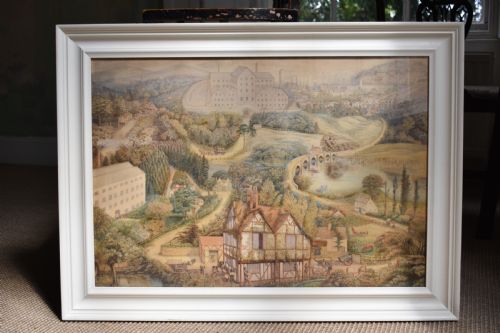
Collectors searching for an english landscape watercolour painting encounter works spanning from the nineteenth century through the mid twentieth century. These pieces depict rural scenes, coastal harbours, pastoral valleys, and village views executed on paper.
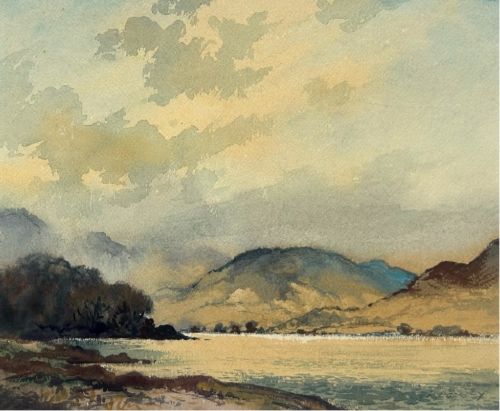
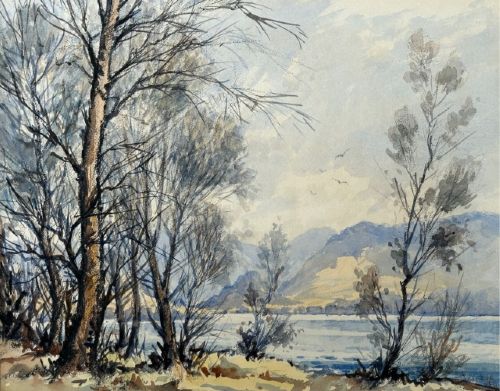
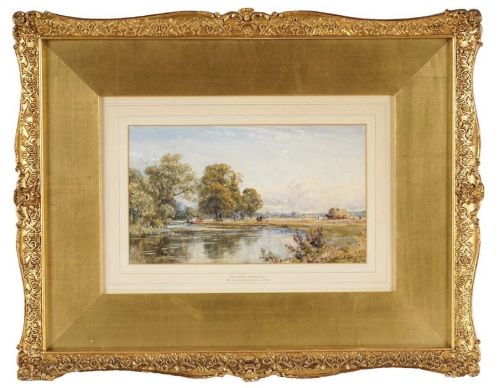
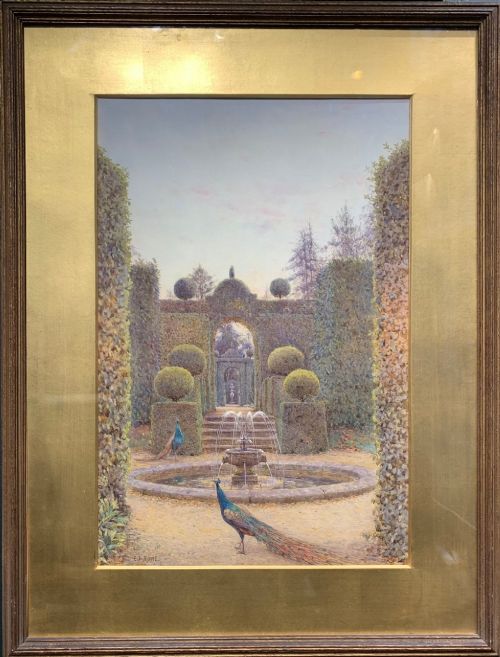
The selection ranges from Victorian and Edwardian pastoral scenes to early twentieth century regional views and mid century lake district compositions. Framed examples often utilise traditional gilt wood or simple timber surrounds to complement the artwork.
Regional subjects dominate the selection, recording specific locations across Yorkshire, Cumbria, Dorset, and the Thames Valley. Both signed works by listed artists and anonymous school pieces appear regularly across the collection.
How They Were Made
Artists applied watercolour pigment suspended in water onto sheets of absorbent paper, building the composition through successive translucent washes. This technique allowed painters to capture natural light, atmospheric skies, and shifting weather conditions across rural terrain.
Details were occasionally defined using bodycolour, ink, or pencil underdrawing to establish architectural elements and foreground foliage. Finished works were traditionally protected beneath glass within timber or gilt wood frames to prevent moisture and light damage.
The listings feature regional British landscapes from the Victorian era through the mid twentieth century, utilising paper, watercolour pigment, and gilt wood frames.
What Varies in Quality
Quality rests upon the artist's handling of light, atmospheric perspective, and the transparency of the pigment washes. Superior examples demonstrate a confident control of water and pigment, creating convincing depth and natural illumination without muddy blending.
Condition of the paper and pigment stability significantly influence the overall standard of each piece. Well preserved works retain their original tonal values and vibrant colour without excessive fading or foxing spots distracting from the composition.
James Orrock·Alfred Young Nutt·Percy Lancaster·John McDougal·Robert Leslie Howey·William Banks Fortescue·David Cox·John Syer
The English Landscape Watercolour Painting Glossary
- Watercolour pigment
- Finely ground colour particles mixed with a water-soluble binder, used to create translucent washes on paper. This medium relies on the white of the paper shining through the pigment to create luminosity.
- Gilt wood
- Timber framing finished with a thin layer of gold leaf or metallic paint. Such frames were commonly utilised during the Victorian and Edwardian periods to enhance landscape watercolours.
- Foxing
- Brown or yellowish spots caused by chemical reactions within older paper over time. These age marks frequently appear on nineteenth century works due to damp storage conditions.
- Bodycolour
- Watercolour mixed with white pigment to create opaque passages of paint. Artists utilised this technique to highlight clouds, water reflections, and architectural details.
- Provenance
- The documented history and ownership lineage of a painting. Clear provenance helps verify the attribution and authenticity of signed regional watercolours.
English Landscape Watercolour Painting: Frequently Asked Questions
How should I display my watercolour?
Watercolours require protection from direct sunlight to prevent the pigments from fading over time. Position your framed piece on an interior wall away from bright windows and direct heat sources.
Ensure the artwork is mounted behind conservation glass with a window mat that keeps the paper surface from touching the glazing. This prevents condensation damage and preserves the paper integrity for future years.
How do I identify the date of a watercolour?
Examine the lower corners of the composition for artist signatures, inscribed location notes, and dated signatures. Many nineteenth and early twentieth century artists recorded the specific site and year directly onto the sheet.
Consider the framing style, paper type, and framing materials as secondary indicators of period. Original Victorian gilt frames and period backings often provide reliable clues to the creation date.
What is the difference between an etching and a watercolour?
A watercolour is a unique hand painted work created directly with liquid pigment on paper. Each wash and brushstroke is singular to that specific piece.
Etchings are printed impressions created by carving lines into a metal plate and transferring ink onto paper. This printmaking method allows the creator to produce multiple identical copies of the same image.
Why do some watercolours have spots?
Those brown spots are commonly known as foxing, which results from chemical reactions in older paper stock. Damp environments and acidic backing boards typically cause these age-related blemishes to develop.
While minor foxing is normal in antique paper works, professional conservators can reduce prominent spots if they interfere with the visual enjoyment of the landscape scene.