
Antique Country Scene Picture
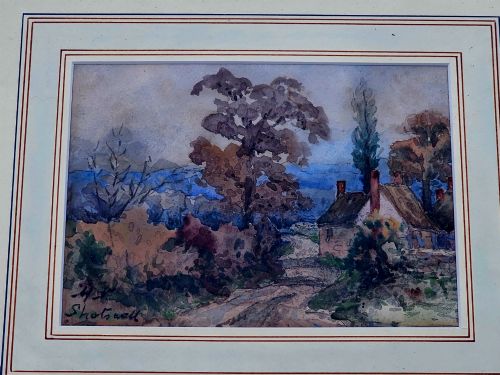
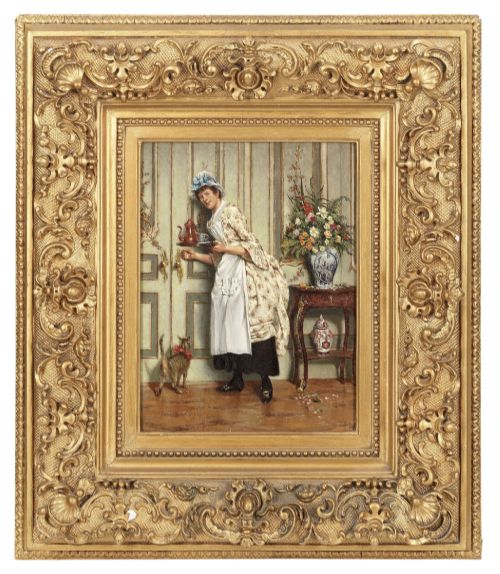
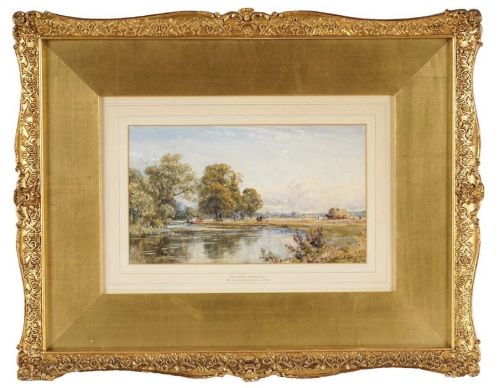
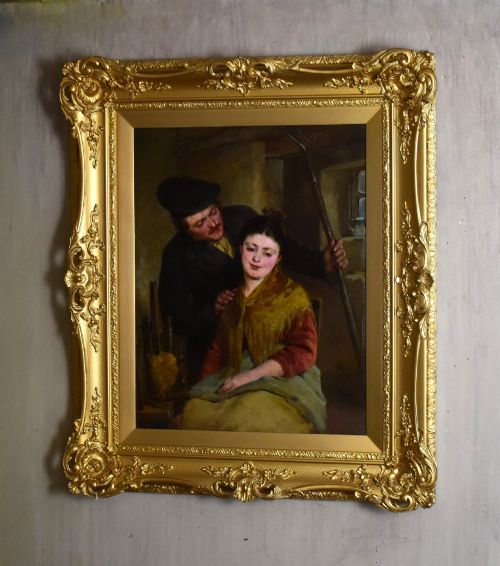
These antique country scene picture works bring rural life and landscape into focus through oil, watercolour and canvas.
Antique Country Scene Picture
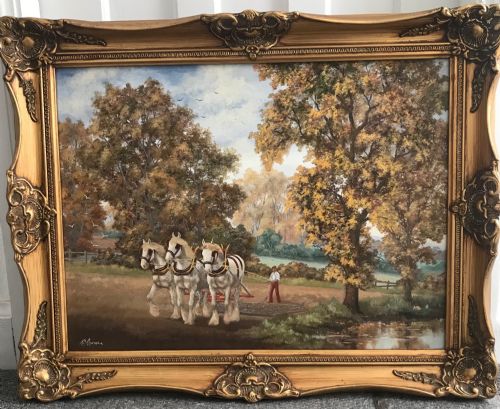
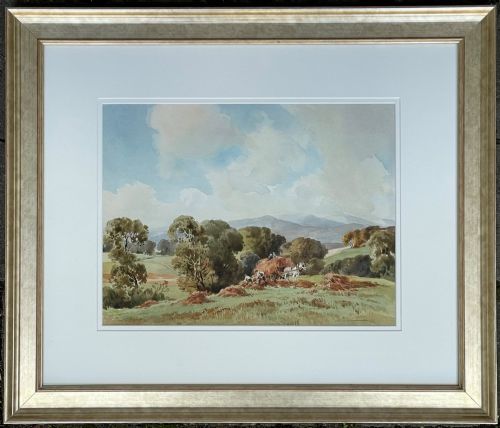
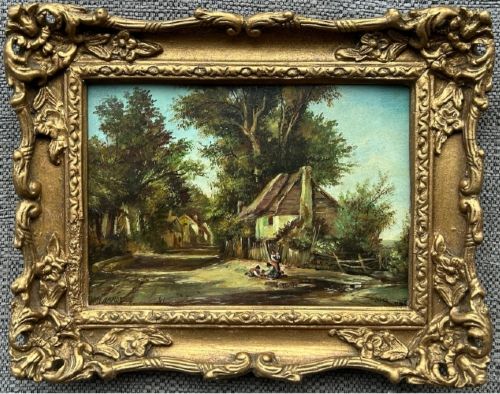
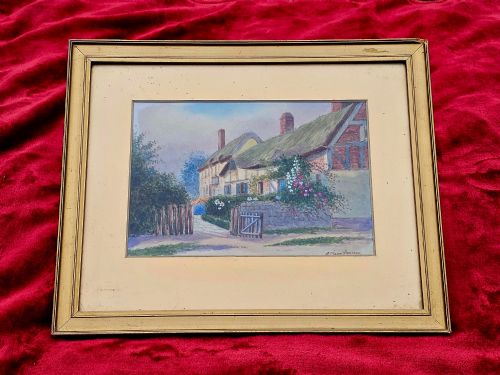
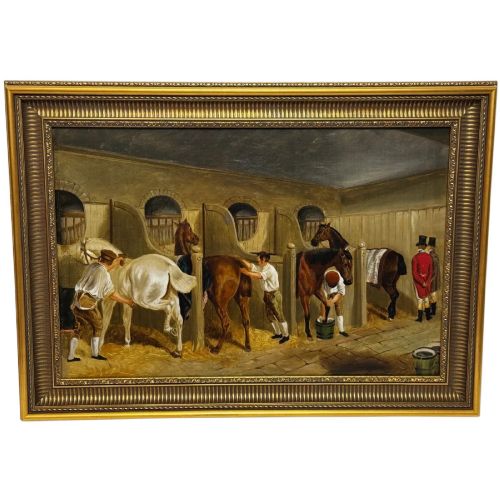
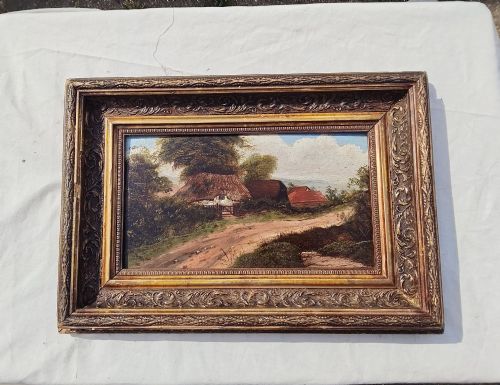
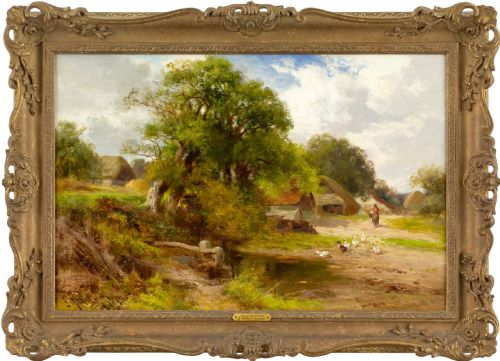
When you search for an antique country scene picture, you encounter framed watercolours, oil paintings and lithographs depicting rural life, farming, rivers and country houses. These works span the Victorian and Edwardian periods, stretching from the early nineteenth century into the early twentieth century.
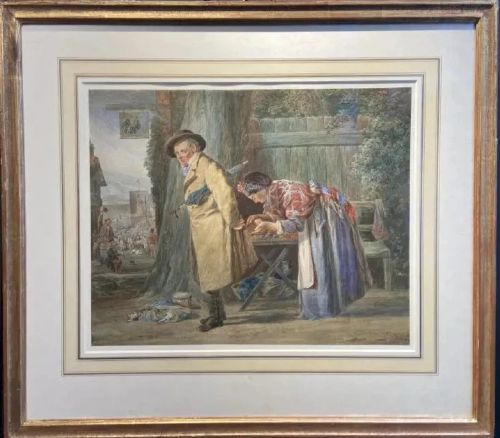
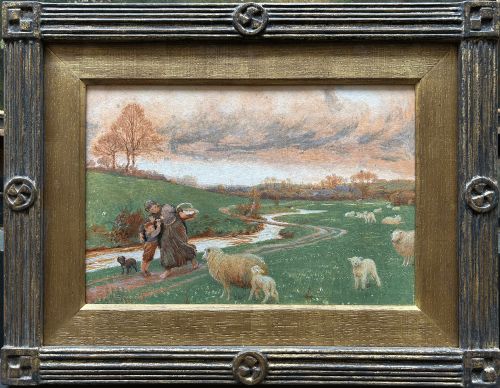
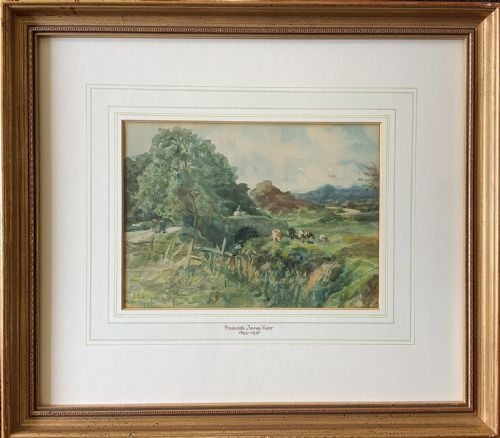
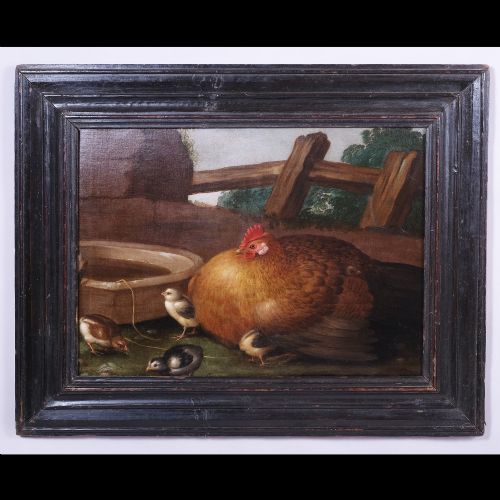
The most common formats on this page are oil paintings on canvas or panel and delicate watercolours on paper. Subjects range from shepherds with sheep flocks and farmyard scenes with chickens to rolling river landscapes and rustic cottages.
How they were made
Artists utilised oil on canvas, oil on panel, and watercolour on paper, often framing the finished artworks in gesso and gold leaf or gilt wood. Support materials include paper, card, wood panels, and stretched canvas.
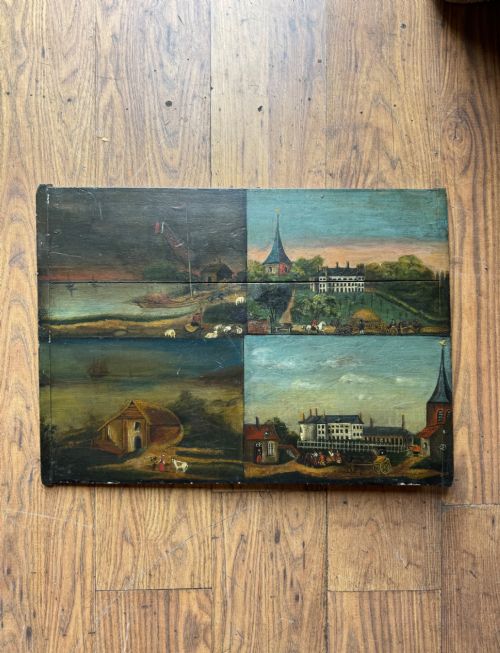
Techniques vary from detailed realist brushwork and atmospheric impressionism to provincial naive folk art and hand-coloured engravings.
Several canvases record the quiet daily business of chickens, ducks and sheep refusing to look at the painter.
What varies in quality
The distinction between ordinary and exceptional works rests on the confidence of the brushwork and the handling of light within the composition. Master artists capture atmosphere and anatomical precision in figures, livestock and foliage far more convincingly than provincial copyists.
The integrity of the original materials also defines the piece, noting whether the canvas remains unlined, the watercolour retains its original pigments without heavy fading, and the gilt frame complements the period of the artwork.
Percy Lancaster·William Howard Hardy·Howard Helmick·John Horace Hooper·Henry Schouten·John Frederick Herring Jnr·Thomas Sidney Cooper
The Antique Country Scene Picture Glossary
- Oil on Canvas
- Pigments bound in a drying oil applied to stretched fabric. This medium allows for rich colour blending and textured impasto work.
- Watercolour
- Pigments suspended in a water-soluble vehicle applied to paper. It yields translucent washes of colour particularly favoured for landscape studies.
- Gesso
- A plaster mixture applied to wood or canvas as a base for painting or moulding. It frequently forms the ornate relief details on gilt frames.
- Provincial Naive
- Art created outside academic traditions by self-taught painters. These works display charming perspective quirks and direct observation.
- Genre Painting
- Depictions of aspects of everyday life. In these collections, scenes typically feature farm workers, market sellers or rural cottage interiors.
Antique Country Scene Picture: Frequently Asked Questions
What periods do these pictures date from?
The available selection spans primarily through the nineteenth century, the Victorian era, and into the Edwardian period up to the early twentieth century. These dates appear across various signed watercolours, oil paintings and prints.
Specific pieces carry dates or stylistic markers pointing to decades such as the eighteen sixties, eighties, and nineteen hundreds, reflecting the shifting tastes of British and European artists.
How should I care for an antique painting?
Protect these artworks from direct sunlight and damp conditions to prevent the fading of watercolours and the cracking of oil paint on canvas or wood panels. Stable room temperatures preserve both the paper or canvas and the surrounding gilt wood frames.
Avoid using liquid cleaners on painted surfaces or gesso frames. Professional framing conservators can advise on appropriate backing materials and glass protection.
Are these pictures usually signed by the artist?
Many examples feature artist signatures, monograms, or attribution to specific nineteenth-century schools, while others remain unsigned works by provincial or folk artists. Signatures sometimes appear in the lower corners of the canvas or paper support.
Attributions in titles often rely on documented provenance, stylistic comparison, or inscriptions on the reverse of the panel or frame.