




Dusk Landscape Artwork
These dusk landscape artwork pieces capture fading light and twilight scenes, offering atmospheric depth for any collector of period paintings.
Dusk Landscape Artwork
When you search for dusk landscape artwork, you encounter painted scenes capturing twilight, evening, and the close of day across various periods. These works span the Victorian era, the Edwardian period, and twentieth-century movements like British Impressionism.
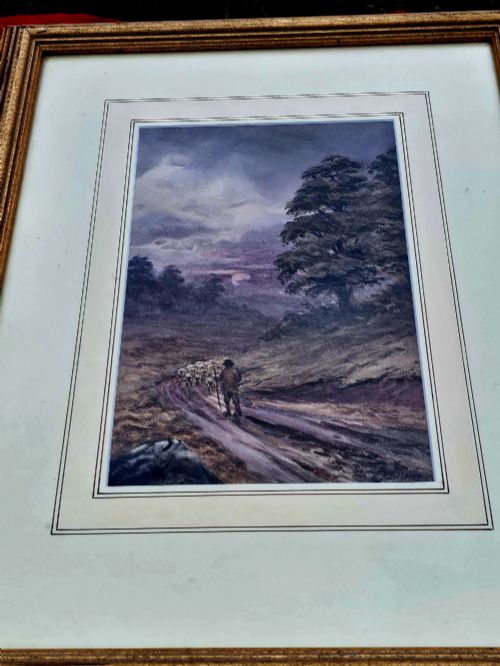
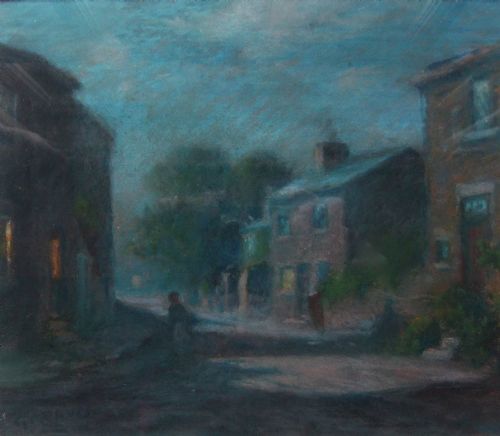
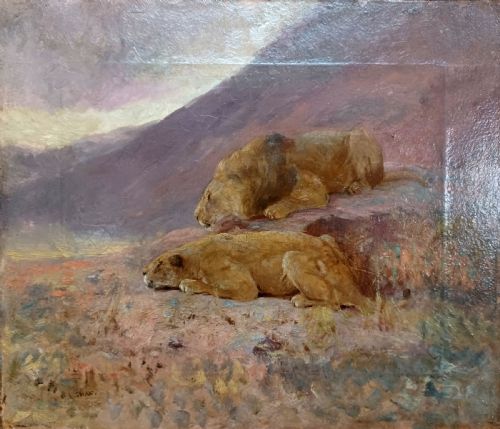
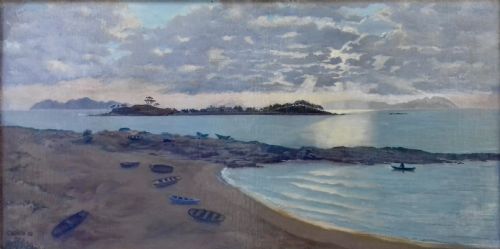
The pieces on this page primarily take the form of watercolours, oil paintings, and pastels. Subjects range from pastoral and rural village settings to maritime views and animalier scenes.
How they were made
Artists created these works using oil on canvas, oil on board, and watercolour on paper. Pastels also appear, providing soft textures suitable for capturing fading light.
Supports include traditional canvas, heavy paper, and prepared wooden boards. Pigments were handled to render the specific atmospheric conditions of evening and twilight.
Materials represented include oil, watercolour, pastel, canvas, paper, glass, and wood across multiple periods.
What varies in quality
The handling of light and shadow distinguishes the execution of these evening scenes. Mastery over tone determines how effectively the fading atmosphere is conveyed.
The skill of the individual hand, whether working in watercolour or oil, governs the depth and cohesion of the composition.
EJ Letheren·William Greaves·W Tatton Winter·Cuthbert Edmund Swan·Henry Sykes·Frederick William Jackson·WE Atkinson·Matthew Hale·Wilmot Pilsbury·Owen Bowen·Henri Cadiou
The Dusk Landscape Artwork Glossary
- Watercolour
- A painting method where fine pigment is suspended in water-based solution on paper. This medium allows for transparent washes and delicate tonal shifts.
- Pastel
- A dry drawing medium made of powdered pigment and a binder, shaped into sticks. It produces velvety surfaces well suited to soft evening skies.
- Oil on Canvas
- Pigment bound in an oil medium applied to a stretched woven fabric. This combination permits rich colour blending and textured brushwork.
- British Impressionism
- A painting style focusing on light and everyday subjects, prominent in British art around the turn of the twentieth century. Artists often worked outdoors to capture transient lighting effects.
- Animalier
- Art focusing on the realistic portrayal of animals. In these twilight contexts, predatory scenes gain tension from the failing light.
Dusk Landscape Artwork: Frequently Asked Questions
What periods do these dusk scenes come from?
The works span from the Victorian and Edwardian eras into the twentieth century. Pieces reflect nineteenth-century pastoral traditions as well as later impressionistic approaches.
Dates range across the nineteenth and twentieth centuries, incorporating movements such as British Impressionism and nineteenth-century maritime art.
What materials were used?
Artists utilised oil on canvas, oil on board, watercolour on paper, and pastel. Each medium affects how the evening light and twilight atmosphere are rendered.
Paper, canvas, glass, and wood support these various painted and drawn compositions.
How do I care for watercolour and pastel pieces?
Works on paper and pastel drawings require protection from direct sunlight to prevent fading. Framing behind glass safeguards the delicate dry pigment or water-based media.
Keep them in stable environments away from excessive moisture to preserve the paper and board supports.
What subjects appear in these twilight artworks?
Subjects include rural village scenes, children fishing at dusk, harvest fields, and sheep being herded to market. Maritime views and animalier wildlife compositions also feature.
Evening clouds, coastal shores, and winter twilight provide varied atmospheric backdrops across the selection.