



English Ironstone Pottery
English ironstone pottery brings durable utility and vibrant colour to the table through heavy ceramic bodies and rich transfer prints.
English Ironstone Pottery
English ironstone pottery encompasses robust utilitarian and decorative vessels made during the nineteenth century, including the Edwardian and Victorian periods. The most frequent encounters on this page involve plates, jugs, and lidded tureen pieces.
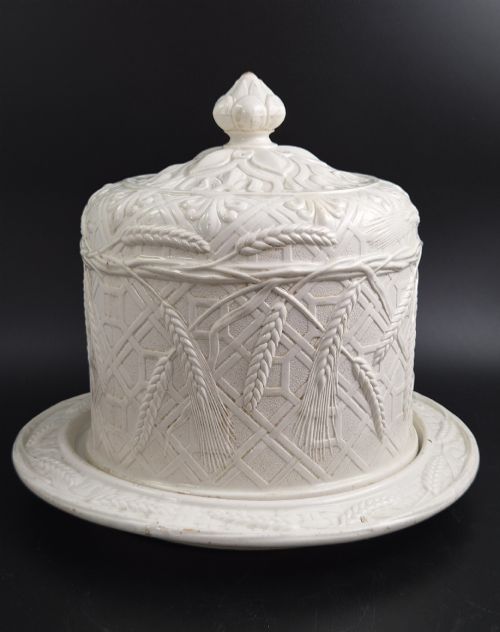
Makers produced diverse serving dishes, mugs, and vases alongside specialised cheese domes and stands. These functional items reflect Georgian and Regency aesthetic influences through decorative plates and jugs.
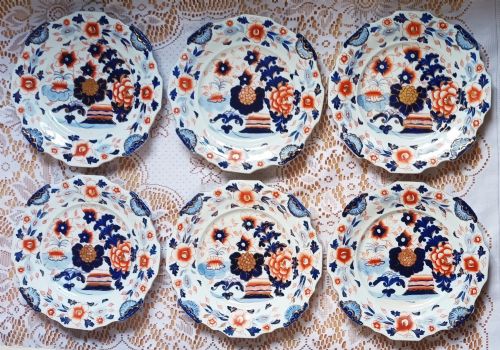
Examples range from simple white ironstone pieces to elaborately patterned items utilising transfer printing and hand-applied enamel colours. Everyday domestic tableware sits alongside monumental hall vases and chargers.
Materials and Techniques
Potters built these items using dense earthenware and stoneware formulations known as ironstone, which provided exceptional strength compared to standard porcelain. Artisans coated the heavy ceramic bodies in smooth glazes to create a durable working surface.
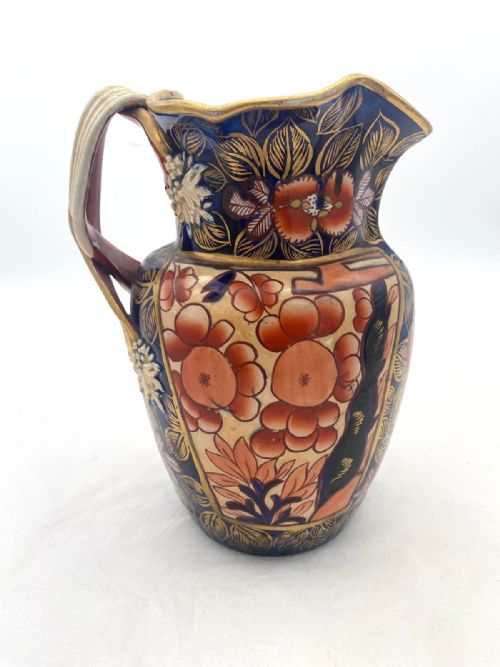
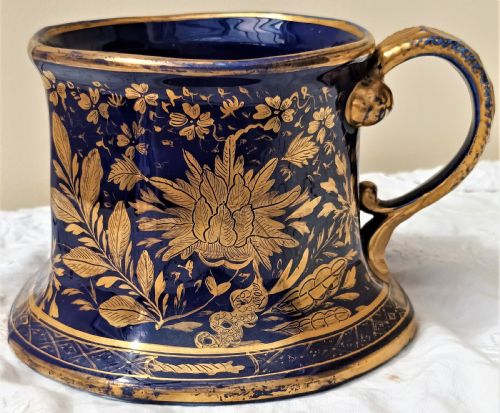
Decoration relied heavily on blue and white transfer printing, supplemented by rich enamel painting and gold leaf gilding. Potters also applied lustreware treatments and hand-painted motifs featuring Chinoiserie, Japan, and botanical patterns.
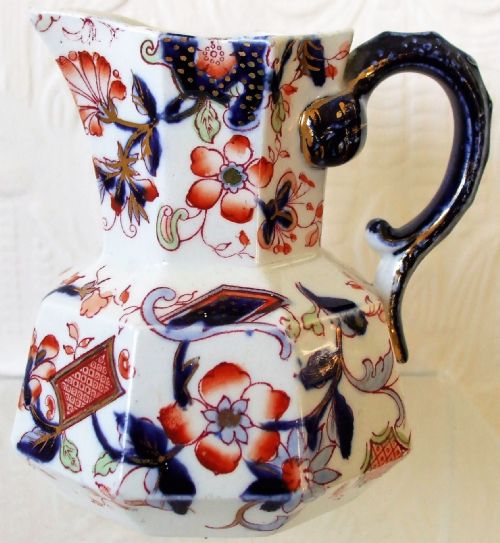
Moulds shaped octagonal jugs, faceted vases, and fluted cheese dishes before high-temperature firing locked the ceramic body and glaze together. Specialised shapes like the hydra jug required careful hand-finishing of applied handles and spouts.
Early potters proudly stamped the word patent onto their ironstone items to assure buyers of their indestructible household magic.
Craftsmanship and Execution
Quality rests upon the crispness of the moulded relief work and the precision of the transfer-printed or hand-painted decoration. Superior pieces display vibrant enamel colours and accurately aligned patterns without blurring or smudging in the glaze.
The weight, wall thickness, and ring of the ceramic body distinguish finer potting from heavier commercial output. Master potters achieved balanced proportions on complex forms like graduated jug sets and large lidded tureens.
The application of gold leaf gilding and delicate enamel detailing separates standard utility wares from exhibition-grade chargers and decorative vases. Preservation of the original glaze sheen and minimal wear to surface gilding elevate individual examples.
Mason·Keeling and Co·John Ridgway·Livesley Powell and Co·Davenport·Copeland·Miles Mason
The English Ironstone Pottery Glossary
- Ironstone
- A patented ceramic body developed to offer the durability of stoneware with the refined appearance of porcelain. It resisted chipping much better than traditional earthenware.
- Transfer printing
- A method of applying detailed decorative designs to pottery by engraving a copper plate, inking it, and transferring the image via tissue paper onto the ceramic surface before glazing.
- Chinoiserie
- A European artistic style reflecting Chinese aesthetic traditions through imaginary landscapes, pagodas, and exotic figures painted onto ceramics.
- Gilding
- The application of gold leaf or gold paint to highlight rims, handles, and decorative borders on ceramic vessels.
- Lustreware
- Pottery decorated with a metallic film that produces an iridescent sheen, often applied in copper, silver, or pink tones over the glaze.
- Hydra jug
- A classic nineteenth-century vessel shape featuring a scaled handle and distinctive flared spout, often produced in graduated sets.
English Ironstone Pottery: Frequently Asked Questions
What is English ironstone pottery?
English ironstone pottery is a dense, heavy ceramic material patented in the nineteenth century to provide durable tableware and decorative vessels. It bridges the gap between everyday earthenware and fine porcelain.
Potters utilised this robust body for everything from plain white cheese domes to brightly coloured chargers decorated with transfer prints and enamel paints.
How do I date these pieces?
Dating relies on maker marks, pattern names, stylistic indicators, and the specific historical period associated with the ceramic body. Victorian and Edwardian examples often feature registration diamonds or printed factory stamps underneath.
Early nineteenth-century pieces from the Georgian and Regency eras frequently display distinct Chinoiserie motifs and heavier, hand-finished potting techniques.
How were these items used?
These vessels served practical functions in nineteenth-century domestic life, ranging from dining table service to kitchen food storage. Large chargers, soup bowls, and serving dishes accommodated formal meals, while cheese stands protected dairy.
Mugs, jugs, and vases combined utility with decorative display on sideboards and mantelpieces across Georgian and Victorian homes.
Can I use ironstone daily?
Ironstone was specifically engineered for robust daily use in domestic kitchens and dining rooms. The heavy ceramic body resists normal wear much better than delicate porcelain.
Hand washing remains advisable for antique pieces featuring delicate gold leaf gilding, enamel colours, or historic lustreware decoration.