
English Floral Porcelain
English floral porcelain brings together handpainted botanical decoration and domestic utility from centuries past, offering delicate teacups and decorative vessels for the home.
English Floral Porcelain
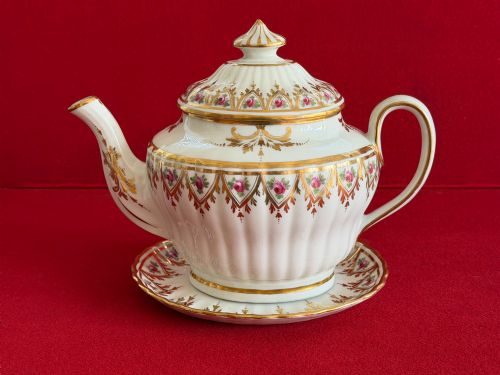
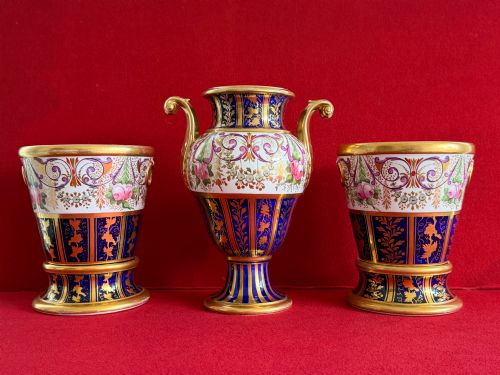
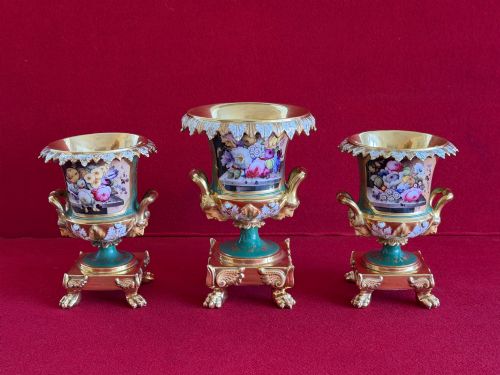
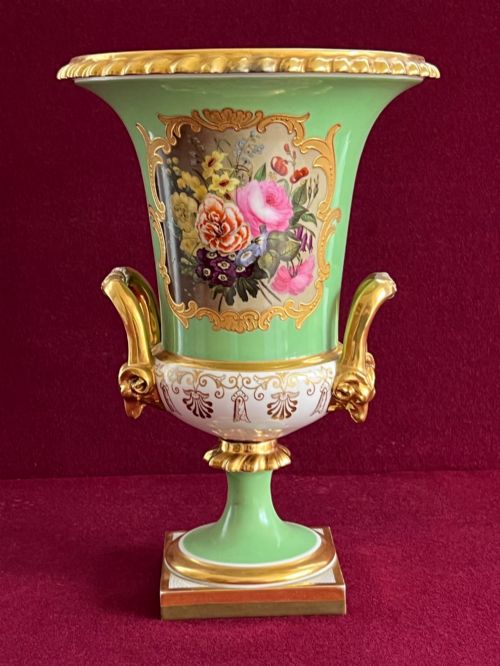
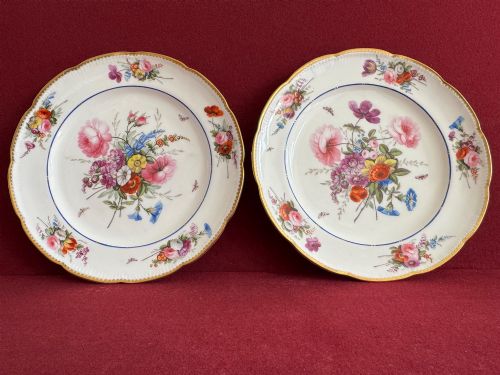
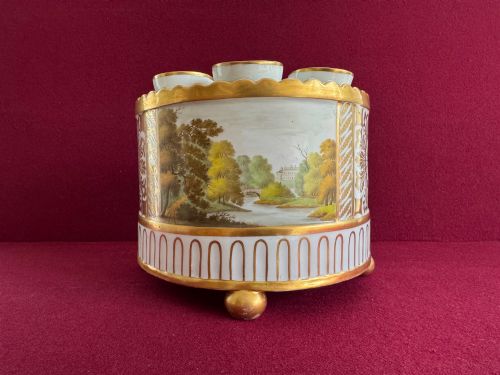
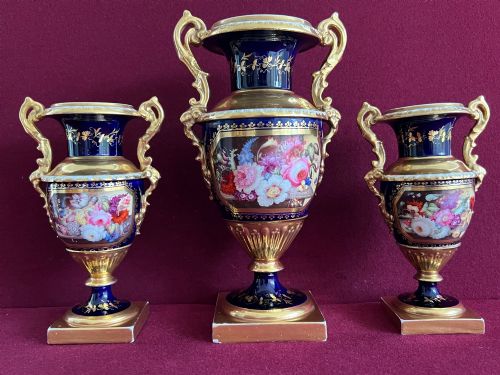
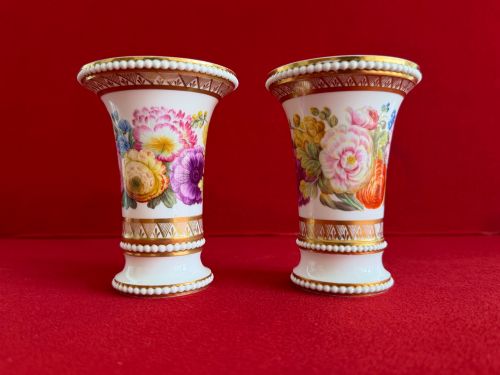
English floral porcelain comprises tableware and decorative items painted with botanical motifs, spanning tea services, plates, and vases. These objects date from the eighteenth and nineteenth centuries, capturing periods from the Georgian era through to the late Victorian years.
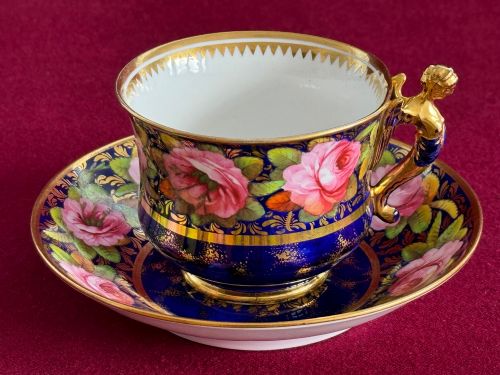
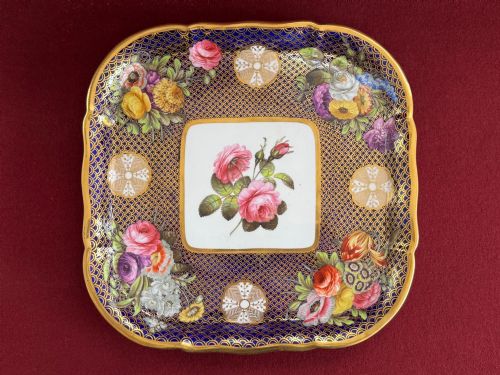
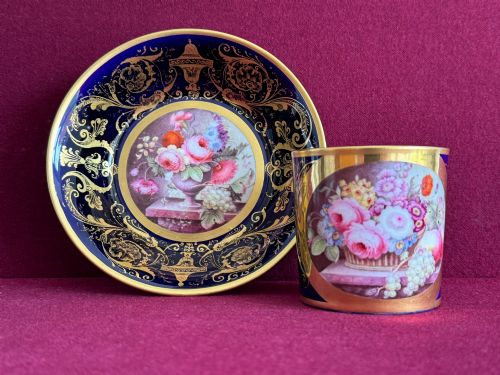
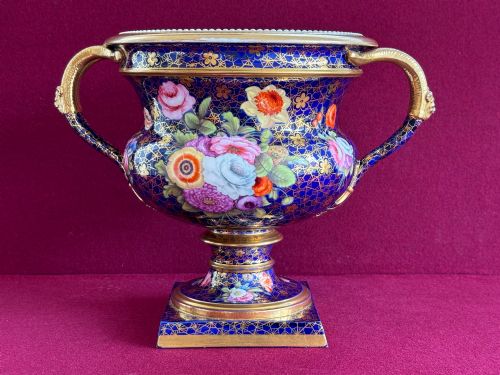
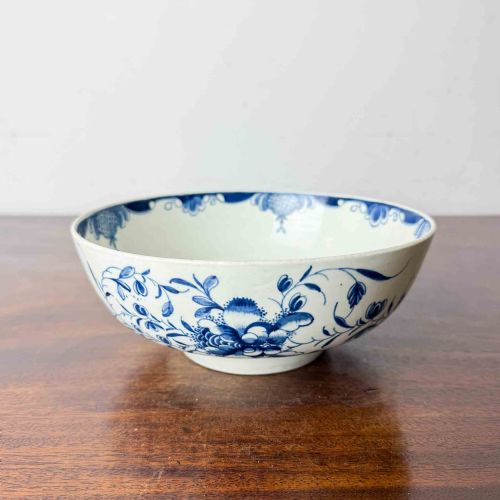
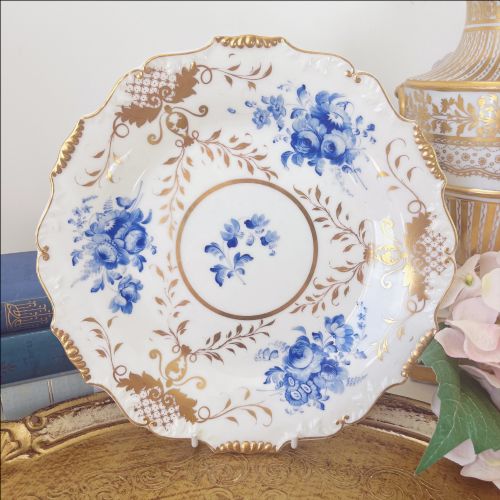
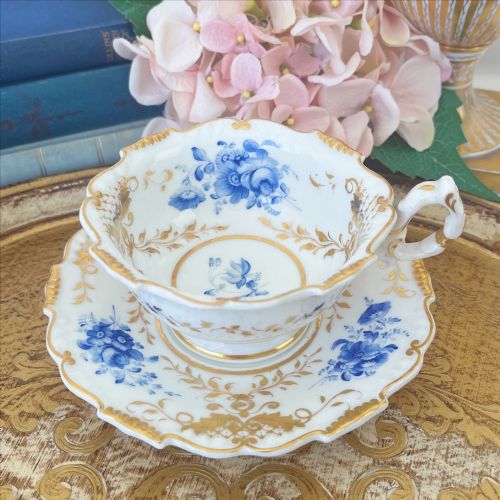
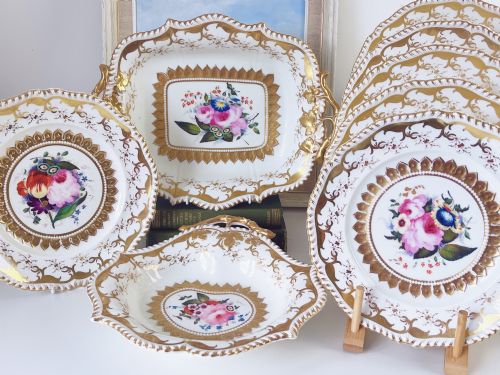
The pieces most frequently encountered on this page originate from factories such as Worcester, Derby, and Daniel. Teacups, saucers, and serving dishes dominate the selection, often carrying meticulous handpainted floral arrangements executed in enamels and gilding.
How they were made
Potters utilised soft-paste porcelain, bone china, and ironstone as the primary bodies for these vessels, shaping them by hand or moulding them into forms influenced by rococo and neoclassical styles. Enamels and gold leaf were applied by brush over the glaze before a secondary firing fixed the vibrant botanical details.
Factories developed distinct paste recipes and glazing techniques that set apart the translucent bodies of eighteenth-century Worcester from the later felspar porcelains of Spode and the substantial ironstone wares of the nineteenth century.
Early potters painted cabbage roses onto porcelain because nothing pairs quite so well with a cup of morning tea.
What varies in quality
Quality rests upon the execution of the painting and the precision of the porcelain body, distinguishing factory output from standard commercial production. Skilled botanical artists achieved depth and realism through careful shading of petals and leaves, whereas lesser pieces display hurried brushwork.
The refinement of the paste, the evenness of the glaze, and the application of gold leaf dictate the standing of an object. Pieces featuring extensive gilding alongside detailed polychrome floral panels typically represent higher production standards.
Grainger Lee And Co·Spode·Flight Barr And Barr·H And R Daniel·Derby Porcelain·Chamberlain Worcester·Liverpool Porcelain·Bow Porcelain·Dr Wall Worcester·Royal Worcester·Davenport·Newhall·Coalport·Masons Ironstone·Royal Crown Derby·Ridgway·Hicks And Meigh·Rockingham·Hadleys Royal Worcester
The English Floral Porcelain Glossary
- Soft-paste porcelain
- A glassy ceramic composition fired at lower temperatures than hard paste, creating a warm, creamy body often found in eighteenth-century pieces.
- Bone china
- A durable ceramic paste incorporating animal bone ash, developed in England to produce a brilliantly white and translucent body.
- Ironstone
- A heavy earthenware ceramic patented for its strength, frequently utilised for large jugs, basins, and durable tableware.
- Enamel
- Opaque coloured glass fused to the surface of the porcelain during firing to create permanent painted decoration.
- Gilding
- The application of gold leaf or liquid gold to highlight rims, handles, and decorative motifs across the ceramic surface.
English Floral Porcelain: Frequently Asked Questions
How do I date these pieces?
Dating relies upon factory marks, paste composition, and stylistic changes in shape and pattern over time. Eighteenth-century wares often feature handwritten blue or gilt cresent and script marks, whereas nineteenth-century pieces introduced impressed factory names and pattern numbers.
Changes in ceramic bodies also assist with chronology, moving from the warm translucency of early soft-paste porcelain to the bright white bone china and heavy ironstone of the Victorian era.
Were these items meant for daily use?
Many teacups, saucers, and plates served functional roles in Georgian and Regency households for taking tea or dining. Wealthy families used matching services for social entertaining, displaying botanical patterns that reflected contemporary horticultural interests.
Over time, items such as cabinet plates, potpourri pots, and decorative baskets transitioned from active service to display pieces within drawing rooms.
How should I care for antique porcelain?
Antique porcelain requires gentle hand washing in warm water using mild soap, avoiding modern dishwashers and harsh abrasive sponges. The delicate enamels and gold leaf can wear away if subjected to vigorous scrubbing or soaking.
Display cabinets protect pieces from dust and accidental knocks while preserving the integrity of the fragile handles, spouts, and rims found on teapots and vases.
What defines a porcelain trio?
A trio consists of a matching teacup, coffee cup, and saucer designed together as a matched set for the tea table. This configuration was popular during the Georgian and Regency periods when households served both tea and coffee to guests.
Finding a complete trio featuring handpainted floral enamels remains a desirable discovery for collectors assembling period table settings.