


English Floral China Set
An English floral china set brings painted botanical details to the table, combining historic ceramic bodies with vibrant hand-brushwork.
English Floral China Set
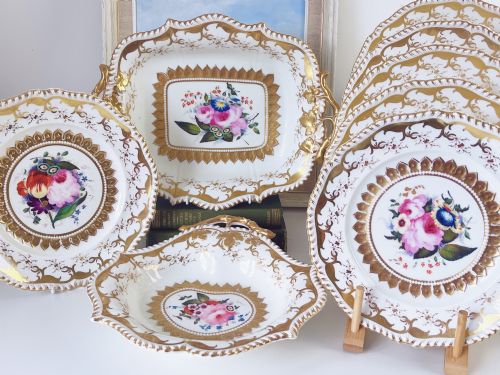
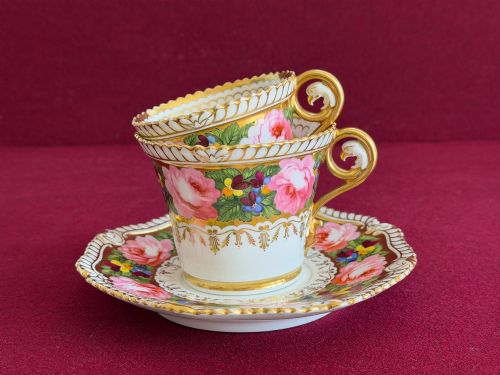
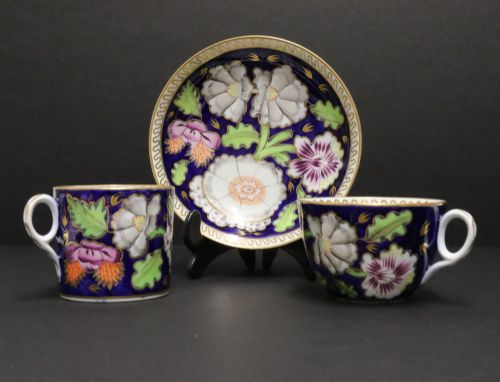
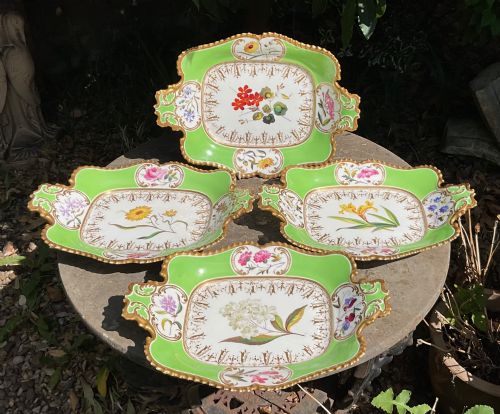
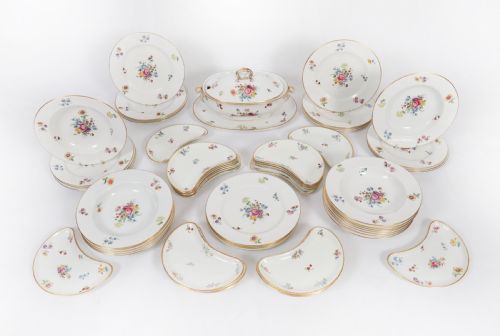
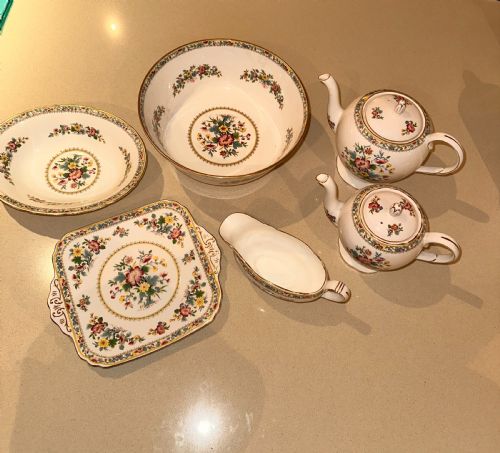
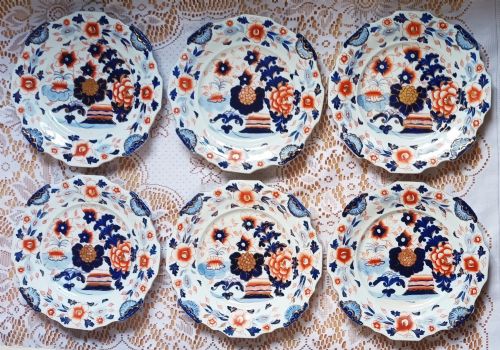
An English floral china set encompasses matched table services, dessert arrangements, and smaller cup trios created across the nineteenth and early twentieth centuries. Buyers seeking these groupings encounter everything from large ironstone dinner services to cabinet trios decorated with botanical motifs.
The selections span distinct historic eras, including Regency, Georgian, Victorian, and Edwardian periods. Pieces range from intimate tea sets to extensive sixty-piece services intended for formal dining.
How they were made
Makers utilised various ceramic bodies including porcelain, bone china, ironstone, creamware, and earthenware. These substrates were shaped into plates, dishes, and vessels before undergoing high-temperature firing.
Decoration relied on handpainted enamel pigments and gold leaf application. Artisans executed botanical subjects directly onto the glazed surfaces, sometimes incorporating transfer printing underneath the glaze.
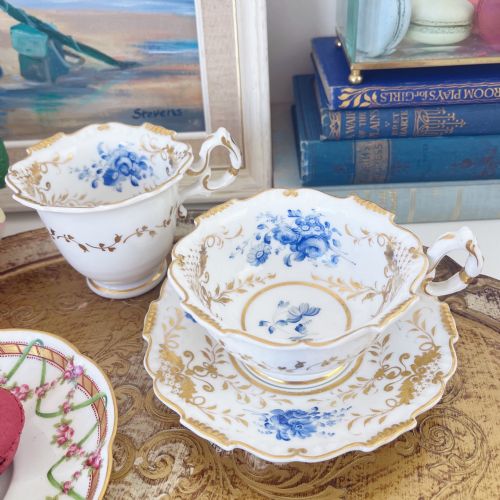
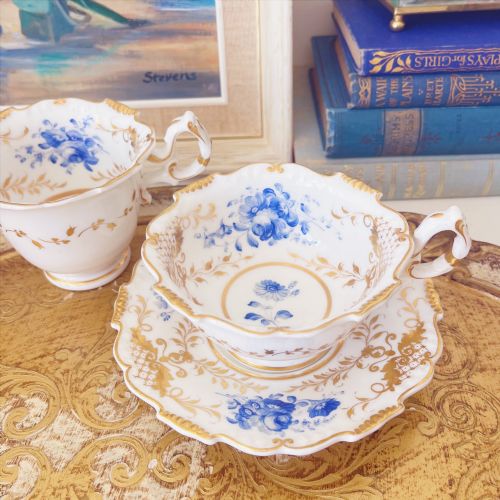
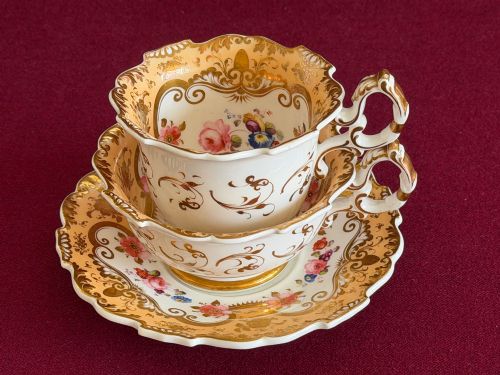
The documented forms span complete dinner services, dessert sets, cabinet trios, demitasse cups, and individual soup bowls.
What varies in quality
Execution of the painted decoration separates standard wares from superior examples. Skilled artists rendered naturalistic floral details with nuanced brushwork, whereas lesser pieces relied on repetitive factory stamping or simpler outlines.
The refinement of the ceramic body and the precision of the gilding dictate overall grade. Finer porcelains display thinner walls and translucent qualities, while sturdier ironstone services focus on durability and bold pattern alignment.
Grainger Lee And Co·H And R Daniel·Chamberlains Worcester·Newhall Porcelain·Spode·Wedgwood·Booths·Coalport·Masons Ironstone·Royal Albert Crown China·Ridgway·Sutherland Ware·Kerr And Binns·Minton·Royal Crown Derby·Royal Worcester·Davenport
The English Floral China Set Glossary
- Trio
- A matched grouping consisting of a teacup, a coffee cup, and a saucer. Such sets were common in Regency and Victorian breakfast and tea services.
- Ironstone
- A heavy, durable ceramic material patented in the nineteenth century. It combined earthenware properties with strength suitable for large dinner services.
- Creamware
- A refined light-coloured earthenware developed in the eighteenth century. It provided a smooth, pale yellow-toned ground for painted decoration.
- Gilt
- Gold leaf or gold paint applied to ceramic edges and handles. This metallic embellishment highlights moulded relief details.
- Enamel
- Opaque glass-based colour applied over the glaze. Enamels were fired at lower temperatures to retain bright floral hues.
English Floral China Set: Frequently Asked Questions
What items belong in a tea set?
A standard tea set generally includes cups, saucers, and sometimes associated serving pieces such as teapots or sugar boxes. Configurations vary depending on the specific period and intended use.
Larger services expand to include multiple trios and specialised plates, while smaller groupings focus strictly on individual cup and saucer combinations.
How do I identify Regency pieces?
Regency items often exhibit distinct neoclassical shapes combined with early nineteenth-century floral handpainting. Look for specific pattern numbers and manufacturer marks associated with the early decades of the eighteen-hundreds.
Form and handle styles during this era frequently mimic antique Greek or Roman vessel profiles adapted for British ceramic bodies.
Can I use these sets daily?
Historic china and ironstone require careful handling due to their age and delicate enamel or gilt decorations. Hand washing is strongly recommended over machine dishwashing to preserve the painted surfaces.
Many collectors prefer to display or occasionally use these items for special occasions rather than subjecting them to everyday wear.
What is the difference between porcelain and ironstone?
Porcelain is a vitrified, translucent ceramic body that offers a refined appearance for teacups and dessert services. It requires careful firing and yields lighter, thinner vessels.
Ironstone is an opaque, heavily vitrified earthenware designed for robust dinner services. It prioritizes durability and heavier forms capable of withstanding hearty meals.