


Hand Painted Gravy Boat
A hand painted gravy boat brings eighteenth and nineteenth century artistry directly to the dining table through miniature ceramic canvases.
Hand Painted Gravy Boat
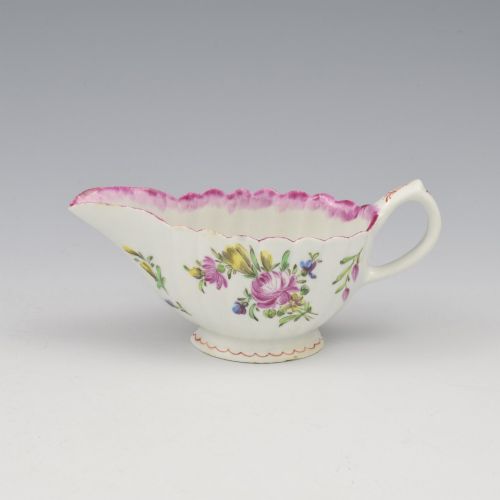
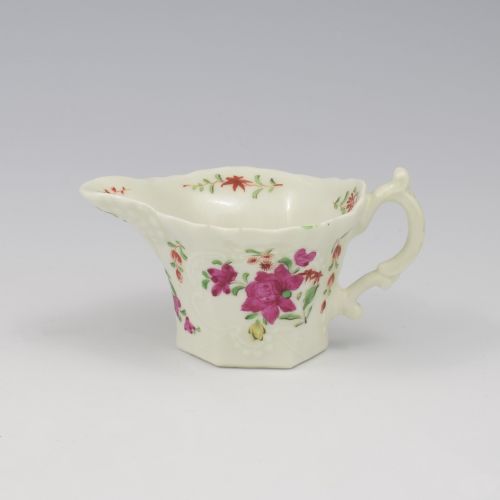
When you search for a hand painted gravy boat, you are looking at functional antique serveware produced across the eighteenth and nineteenth centuries. These vessels were modelled to hold sauces and gravies during formal dining occasions, taking forms such as sauceboats, jugs, and lettuce-shaped vessels.
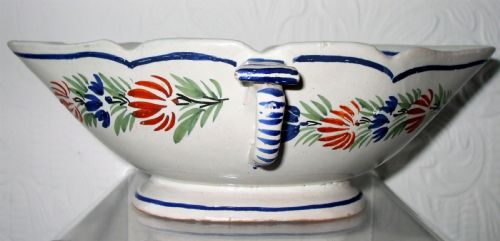
The pieces you are most likely to meet on this page span from mid eighteenth century factories through to nineteenth century production. They include English porcelain alongside French faience, Chinese export porcelain, and European ceramic forms.
Makers and factories represented in the evidence include Bow, Worcester, Chelsea Derby, Quimper, Meissen, and Chinese Qianlong pieces. They range from simple blue and white patterns to complex polychrome enamel designs featuring figures and armorials.
How they were made
Potters shaped these vessels using soft paste porcelain, standard porcelain, enamel, ceramic, and faience. Artisans then applied pigments by hand before firing the pieces to fuse the decoration into the glaze.
Decoration techniques combined underglaze blue painting with overglaze enamels and occasional applications of gold leaf. Moulded forms like fluting, lettuce shapes, and hexagonal profiles required skilled manual forming before painting took place.
Materials across these listings include porcelain, soft-paste porcelain, enamel, gold leaf, glaze, ceramic, and faience.
What varies in quality
Quality rests upon the crispness of the moulded form and the precision of the hand painting. Pieces with detailed polychrome figures or intricate armorials demonstrate a higher level of artisan skill than simple underglaze blue designs.
The choice of ceramic body also defines the standard, with fine soft paste porcelain and early porcelain bodies requiring greater technical mastery than standard ceramic or faience production.
Bow Porcelain·Quimper French Faience·Chelsea Derby·Meissen
The Hand Painted Gravy Boat Glossary
- Soft-paste porcelain
- A ceramic composition made from white clay, glass frit, and other ingredients that was fired at lower temperatures than true hard-paste porcelain. It is common in eighteenth-century English factories.
- Faience
- Tin-glazed earthenware produced widely in continental Europe. It offers an opaque white surface suitable for painted decoration.
- Armorial
- A design featuring a family coat of arms or heraldic achievement hand painted onto the ceramic surface. These were often commissioned for elite dining services.
- Kakiemon style
- An asymmetrical Japanese enamelled porcelain style featuring floral and bird motifs that was widely copied by European factories. It uses a palette of iron red, blue, green, and yellow.
- Qianlong
- Referring to the period of the Qing Dynasty in China during the eighteenth century when significant quantities of export porcelain were created for Western markets.
Hand Painted Gravy Boat: Frequently Asked Questions
What is a hand painted gravy boat?
A hand painted gravy boat is an antique ceramic vessel created to serve sauces and gravies during meals. These pieces date primarily from the eighteenth and nineteenth centuries.
They reflect the artistic styles of periods such as Georgian, Regency, and Rococo through hand applied glazes and painted enamel scenes.
How were these sauceboats used?
These vessels sat on dining tables to hold and pour sauces, creams, and gravies during formal meals. Their decorative designs matched the broader dinner services of the period.
Over time, many transitioned from active dining use to decorative cabinet display or collection pieces.
How do I identify eighteenth century pieces?
Eighteenth century pieces typically display characteristics of early ceramic bodies like soft paste porcelain or specific factory traits. Forms often follow Georgian and Rococo styles such as fluted bodies or moulded lettuce leaves.
Examining the underside, glaze pooling, and painting style helps distinguish these early examples from later nineteenth century wares.
Can I use an antique gravy boat today?
While these vessels were made for functional table use, their age and fragile porcelain or faience bodies mean modern owners often treat them as display items. Hand washing is essential to preserve the delicate enamels and gold leaf.
Thermal shock from hot liquids should be avoided to protect the historic ceramic material.
What styles appear in these listings?
The listings include traditional English, French Country, Chinese Export, and Rococo styles. Decorative motifs range from simple blue and white patterns to complex Mandarin figures and tobacco leaf designs.
These varied aesthetic influences reflect both domestic European production and the global trade in Chinese export porcelain.