


Traditional Ceramic Tableware
Traditional ceramic tableware brings centuries of utility and domestic craft to the table, offering durable forms for everyday dining and display.
Traditional Ceramic Tableware
Traditional ceramic tableware encompasses functional vessels and plates created for dining, serving, and display. When searching for traditional ceramic tableware, collectors encounter items spanning the nineteenth century through the mid-twentieth century.
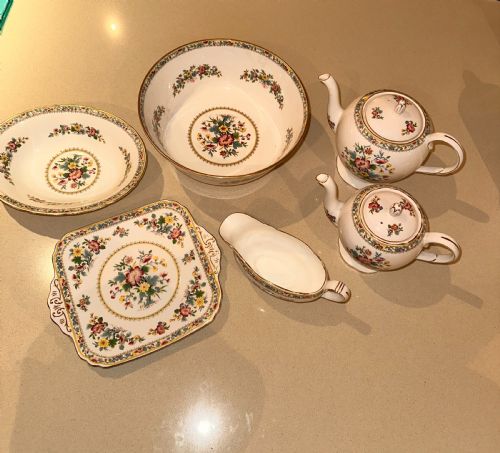
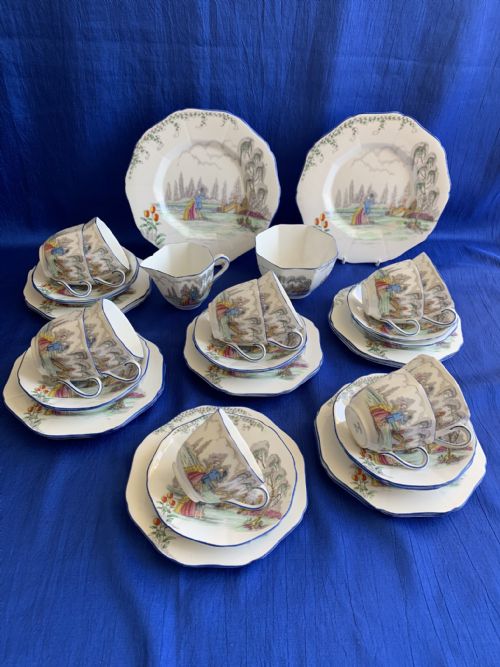
The selections on this page include plates, dinner services, cheese dishes, and loving cups originating from English, Victorian, and Japanese traditions. These pieces reflect historic domestic routines and table settings from periods such as the Victorian era and the nineteen-thirties.
Most items meet the standard of utility combined with decorative hand-painting or transfer printing. Common forms include large dinner services, individual plates, and specialised vessels like cow creamers.
How traditional ceramic tableware was made
Potters utilised earthenware, porcelain, bone china, and ironstone as the primary foundations for these vessels. These materials provided the necessary strength and smooth surfaces required for detailed decoration.
Decoration relied on hand-painting, transfer printing, and applied enamel colours. Artisans frequently enhanced designs with gold leaf and gilt detailing.
Glazes were applied to seal the ceramic bodies and impart a glossy finish. Specialised pieces incorporated wooden elements where functional handles or storage boxes were required.
Listings feature items from the nineteenth century, including Victorian and Georgian periods up to the nineteen-thirties.
What varies in quality
Quality in traditional ceramic tableware rests on the precision of the potter's initial forming and the crispness of the applied decoration. Hand-painted motifs and detailed transfer prints demonstrate greater artisanal investment than simpler utilitarian runs.
The refinement of the underlying material, whether delicate bone china, sturdy ironstone, or fine porcelain, dictates the tactile weight and durability of each piece. Intricate additions like gold leaf or gilt accents elevate the visual standard of the service.
William Adams·Royal Doulton·Royal Worcester·Sutherland
The Traditional Ceramic Tableware Glossary
- Ironstone
- A patented ceramic body developed in the nineteenth century for durability and strength. It resists chipping better than standard earthenware.
- Transfer printing
- A decoration technique where an engraved copper plate transfers a design onto tissue paper, which is then pressed onto the ceramic. This method allowed for intricate repeatable patterns like blue and white landscapes.
- Imari
- A style of Japanese porcelain decorated in underglaze blue and overglaze red, gold, and green. It influenced nineteenth-century European potteries.
- Bone china
- A type of porcelain composed of clay, feldspar, and bone ash. It produces a strong, translucent body suited to refined teasets.
- Cow creamer
- A hollow ceramic vessel in the shape of a cow used for serving milk or cream from the animal's mouth. These novelty pieces were popular in nineteenth-century domestic settings.
Traditional Ceramic Tableware: Frequently Asked Questions
How do I clean antique ceramic tableware?
Wash these pieces gently by hand using warm water and mild soap to protect historic glazes and delicate gilt details. Avoid mechanical dishwashers and harsh abrasive sponges.
Store plates with felt dividers between them to prevent surface scratching on stacked items.
Can I use nineteenth-century dinner services for meals?
Many nineteenth-century dinner services remain structurally sound for occasional dining use. Check each piece for stability and ensure old glazes are sound before serving food.
Reserve delicate bone china and pieces with extensive gold leaf for display or careful handling.
What is the difference between earthenware and porcelain?
Earthenware is fired at lower temperatures, producing a porous, opaque body that requires glaze for water resistance. Porcelain is fired at high temperatures until vitrified, resulting in a dense, non-porous material.
Porcelain often exhibits translucency when held to the light, whereas earthenware remains solid.
How do I date Victorian ceramic tableware?
Examine the maker's marks, registry stamps, and base signatures stamped or painted underneath the glaze. Style markers like transfer printed patterns and colour palettes also provide clues to the decade of manufacture.
Compare the specific form against documented Victorian production records for confirmation.