







English Delft Charger Plates
English delft charger plates are tin-glazed earthenware dishes that bring 18th-century hand-painted artistry and vibrant blue or polychrome pigments to a collection.
English Delft Charger Plates
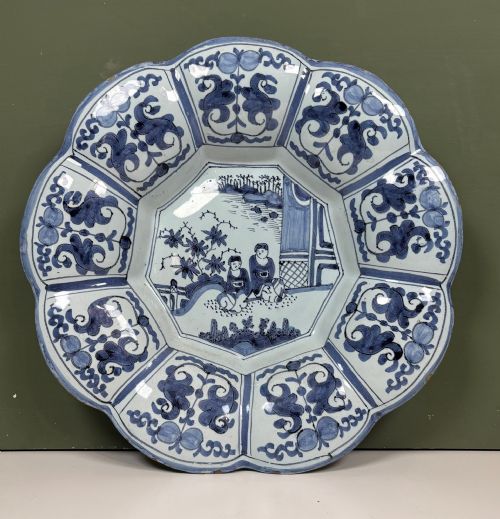
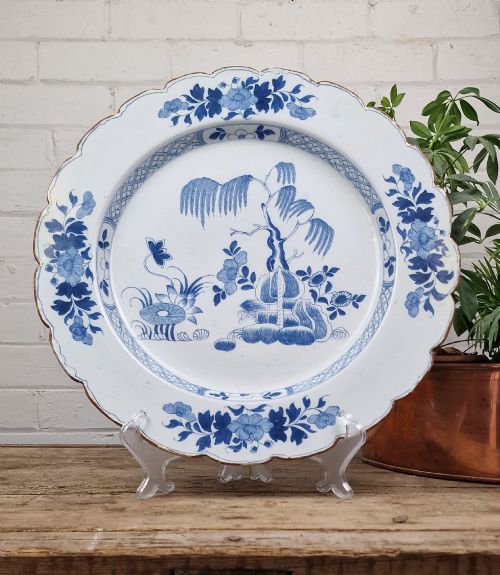
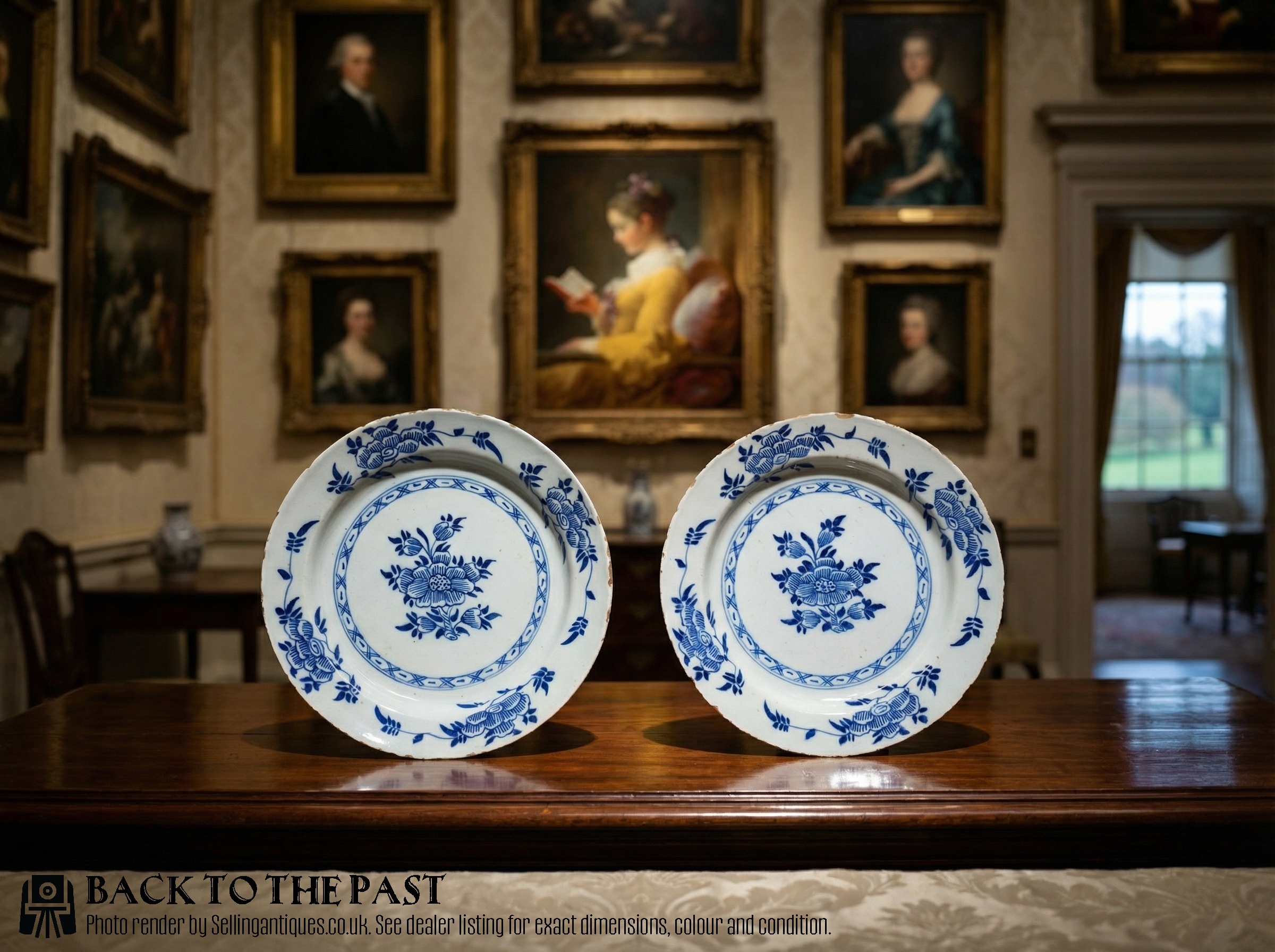
English delft charger plates are large earthenware dishes produced primarily during the 18th century, encompassing styles such as Georgian Chinoiserie and Delftware. When searching for english delft charger plates, collectors encounter substantial chargers, shallow bowls, and smaller decorative plates spanning periods from the early 18th century to around 1800.
The pieces appearing on this page include blue and white designs alongside polychrome examples depicting floral motifs or figures. Makers and decorators produced these items across English centres including Bristol and Lambeth, shaping the domestic tableware and display culture of the Georgian era.
How they were made
Potters formed these items from clay, creating earthenware bodies that were subsequently coated in a tin glaze to produce an opaque white surface. This tin-glazed earthenware layer provided an absorbent ground suitable for hand-painted brushwork.
Decorators applied cobalt pigment and cobalt oxide to the unfired glaze, alongside other colours for polychrome pieces, creating permanent designs during the kiln-firing process.
English Delft Charger Plates Retail Price Guide 2026
Typical asking prices for english delft charger plates among the pieces listed under this phrase on Sellingantiques today, from the lower quarter to the upper quarter. They describe what is for sale here now, not the wider market.
Specific regional origins recorded in the inventory include Bristol and Lambeth potteries.
What varies in quality
The sophistication of the hand-painted decoration determines the visual appeal of an English delft charger plate. Fluid, confident brushstrokes in floral or Chinoiserie scenes elevate a piece above simpler, more rigid execution.
The smoothness and opacity of the tin glaze, together with the richness of the cobalt pigment or polychrome palette, distinguish finer examples from standard production.
Lambeth Delft·Bristol Delft
The English Delft Charger Plates Glossary
- Tin Glaze
- An opaque white glaze containing tin oxide applied to earthenware bodies. This coating provided the smooth, pale ground characteristic of delftware.
- Charger
- A large decorative plate or dish intended for display on a wall or dresser rather than daily dining use. These substantial vessels often feature central hand-painted motifs.
- Polychrome
- A colour scheme utilising multiple pigments beyond standard blue. On these plates, such palettes typically incorporate greens, yellows, and reds.
- Chinoiserie
- European interpretations of Chinese artistic motifs and styles. This aesthetic appears frequently on 18th-century English delft plates and chargers.
English Delft Charger Plates: Frequently Asked Questions
What is an English delft charger plate?
An English delft charger plate is a tin-glazed earthenware dish made in 18th-century England, featuring hand-painted cobalt blue or polychrome decoration.
These large plates and chargers served primarily for display in Georgian homes rather than for serving food at the table.
How were these plates decorated?
Decorators painted directly onto the unfired tin glaze using cobalt oxide and other mineral pigments.
The porous glaze absorbed the pigments before firing, locking the floral or figurative designs permanently into the surface.
Where were these plates made?
Production centres in England included Bristol and Lambeth, where potters shaped local clay into earthenware vessels.
These workshops produced both blue and white wares and vibrant polychrome pieces influenced by contemporary tastes.
How do I display an antique charger?
Chargers were historically hung on walls or arranged on dressers to showcase their hand-painted surfaces.
Today, collectors use specialist wall hangers or sturdy plate stands to display these 18th-century ceramics safely.