
English Decorative Plate
When you seek an English decorative plate, you enter a world of hand-painted porcelain, rich gilding and cabinet-ready ceramics made to catch the eye.
English Decorative Plate
An English decorative plate is a ceramic piece fashioned primarily for display rather than dining, often found on cabinet shelves or mounted on walls in domestic interiors. When searching for an english decorative plate, buyers encounter forms ranging from cabinet plates and dessert services to transfer-printed earthenware and hand-painted porcelain plaques.
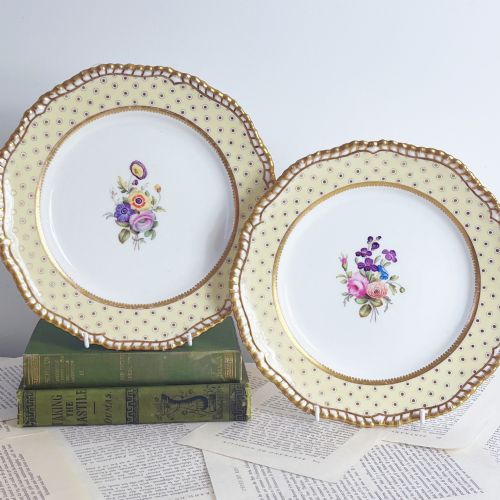
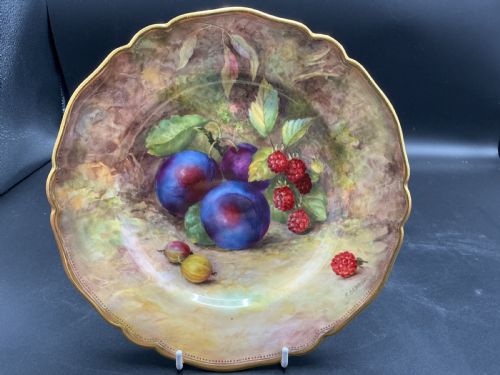
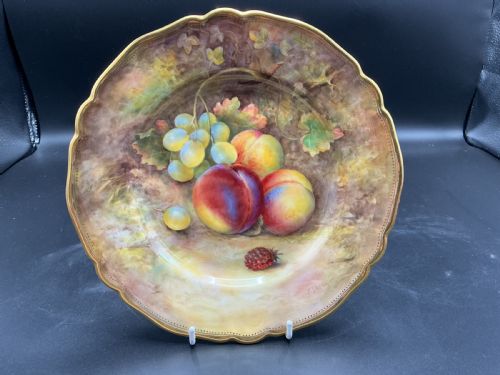
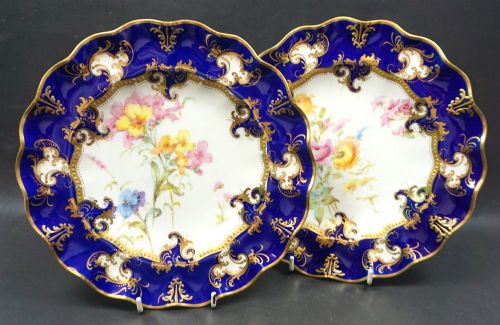
The pieces span periods from the Georgian and Regency eras through the Victorian age and into the twentieth century, reflecting shifting tastes in interior ornamentation. The most frequent versions met on this page are nineteenth-century porcelain cabinet plates decorated with botanical studies, landscapes, or armorial crests.
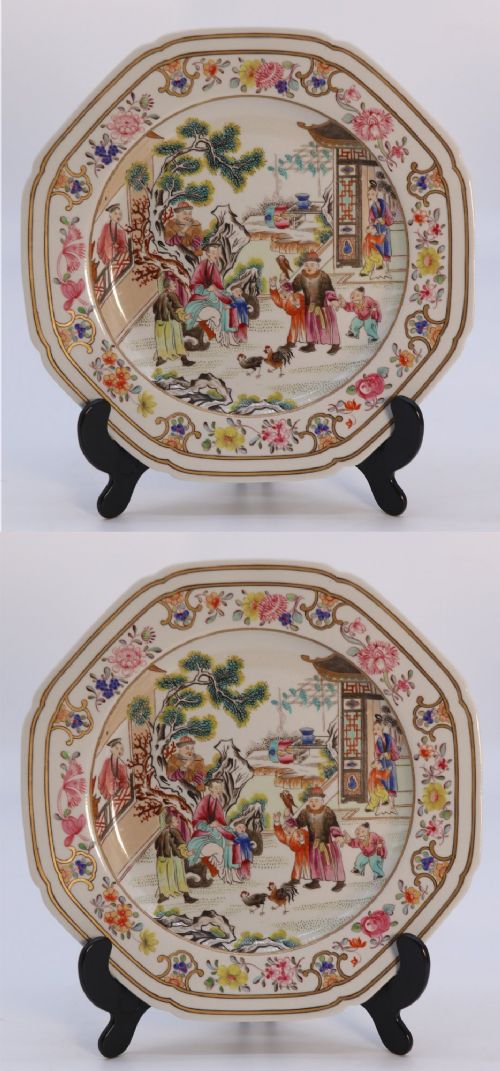
Makers utilised various formats, including octagonal dessert plates, basketweave dishes, and shaped porcelain plaques depicting named views across Britain. Each object demonstrates the high level of craftsmanship applied to decorative household items during these centuries.
How They Were Made
Potters constructed these items using fine porcelain, bone china, ironstone, and earthenware bodies shaped on wheels or pressed into moulds. Techniques such as transfer printing allowed makers to apply detailed blue-and-white or multi-coloured scenes before glazing and firing.
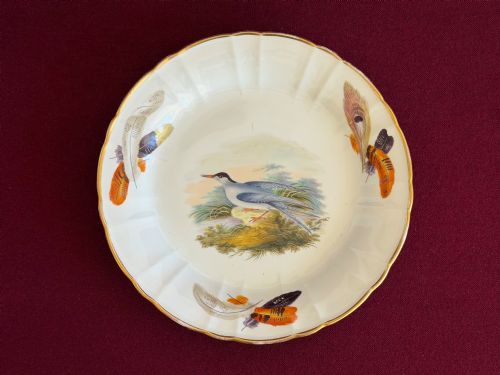
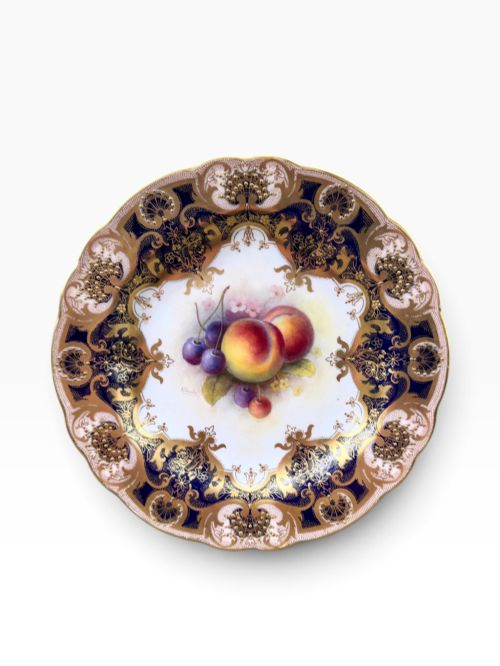
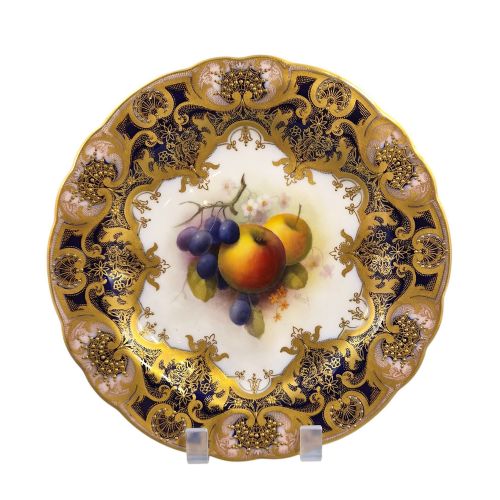
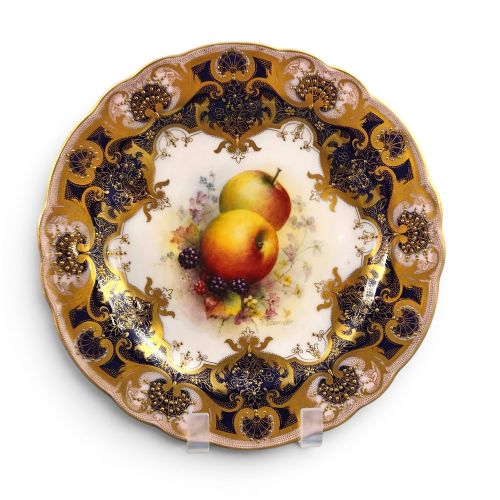
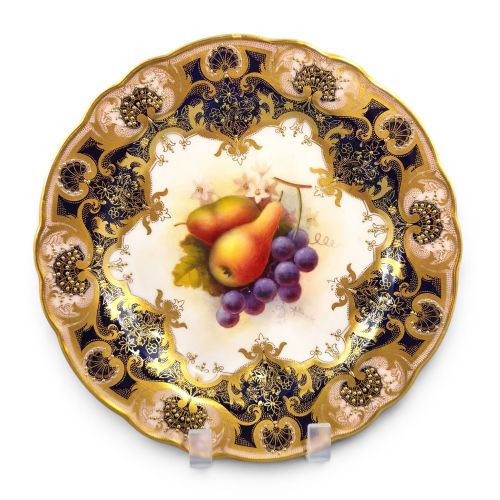
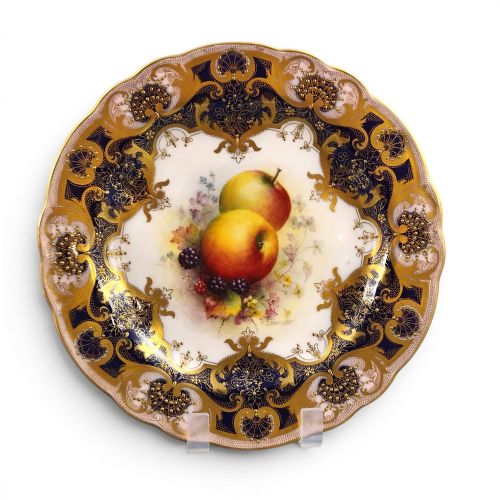
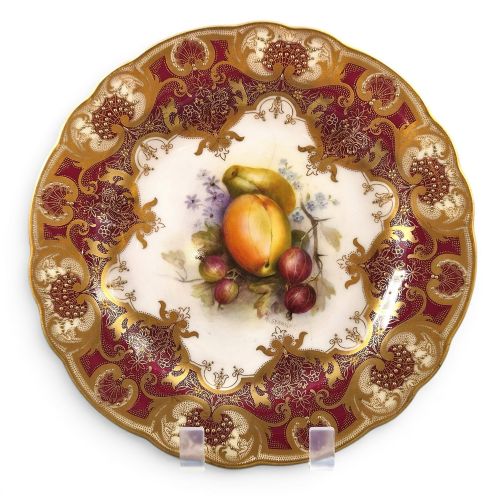
Painters added intricate hand-coloured details over the glaze, incorporating enamel pigments and gold leaf to highlight borders and central motifs. Factories employed specialised artists to paint fruit, birds, and landscapes directly onto the ceramic surface prior to a final kiln fixing.
Listings feature porcelain, bone china, and earthenware bodies decorated with enamel, glaze, and gold leaf across the nineteenth and twentieth centuries.
What Varies in Quality
The distinction between standard commercial output and superior work rests on the skill of the brushwork and the precision of the gilding. Hand-painted fruit and botanical studies executed by known porcelain artists command greater attention than simple transfer-printed designs.
The crispness of the moulding, the translucency of the bone china body, and the complexity of the enamel palette determine the standing of each piece. Superior examples retain rich, unrubbed gold leaf and well-preserved painted details that display the distinct hand of the decorator.
Royal Crown Derby·Spode·Wedgwood·Royal Worcester·Minton·Royal Doulton·John Davenport·Stubbs·Coalport·Chamberlain·Aynsley·John Ridgway
The English Decorative Plate Glossary
- Cabinet plate
- A ceramic plate intended purely for display in a cabinet or on a wall rather than for practical table use. These typically feature intricate hand-painted scenes or rich gilding.
- Bone china
- A type of soft-paste porcelain containing animal bone ash, developed in England to improve strength and whiteness. It allows for thinner, more translucent walled plates.
- Imari
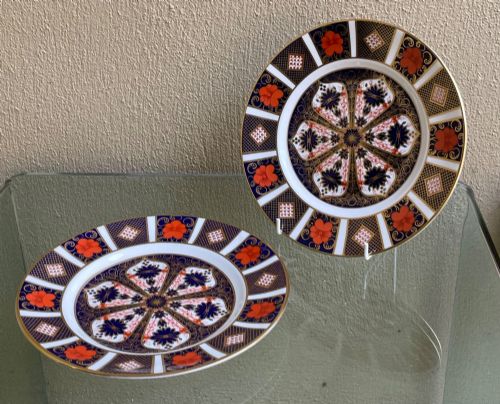
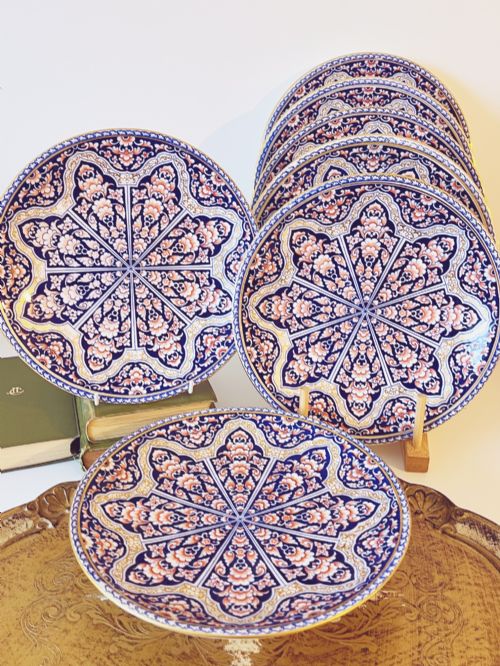
- A decorative style inspired by Japanese export wares, featuring a distinctive palette of iron red, cobalt blue, and gold. English potteries frequently reinterpreted this pattern on ironstone and porcelain.
- Transfer printing
- A mechanical method of applying complex designs to ceramics by pressing paper transfers inked from engraved copper plates onto the biscuit body. This technique enabled factories to produce uniform pictorial scenes efficiently.
- Gilt
- A thin layer of gold applied to the surface of ceramics, particularly around rims and borders, to enhance decorative richness. The application method ranges from powdered gold dust to solid gold leaf.
English Decorative Plate: Frequently Asked Questions
How were cabinet plates displayed?
Cabinet plates were traditionally housed within glazed display cabinets or mounted directly onto walls using specialised wire hangers. Wealthy households utilised these items in drawing rooms and dining parlours to showcase artistic taste.
Today, collectors continue to display them on plate stands or wall mounts, keeping them away from daily dining use to protect the delicate enamel and gold leaf.
Can I use these plates for serving food?
Most antique decorative plates are not suited for modern culinary use due to their age, delicate glazes, and potential lead content in older enamels. Thermal shock and cutlery can easily damage the hand-painted surfaces and delicate gilding.
It is best to treat these items as visual art rather than functional tableware, washing them only gently by hand if cleaning becomes necessary.
How do I identify the period of a plate?
Dating relies on examining factory backstamps, impressed marks, and pattern numbers found on the reverse of the ceramic body. Stylistic clues such as the heavy gilding of the Victorian era or the refined borders of the Regency period also indicate age.
Comparing the paste type, whether earthenware, ironstone, or bone china, helps narrow down the decades of manufacture alongside any specific artist signatures.