


English Country House Lighting
English country house lighting brings practical warmth and character to a room, offering genuine historic utility through brass, iron, and wood.
English Country House Lighting
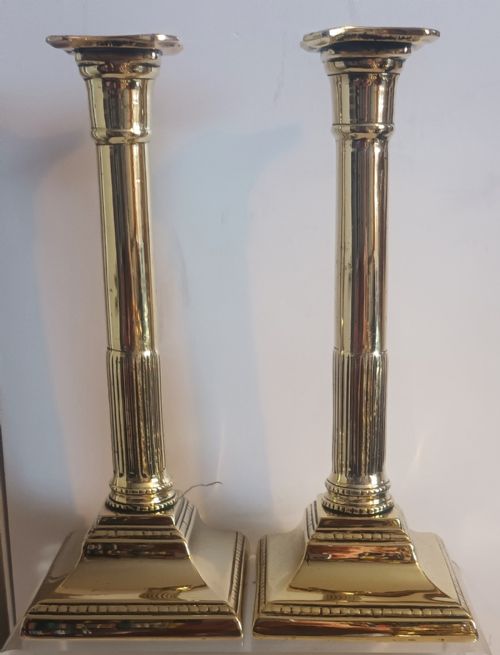
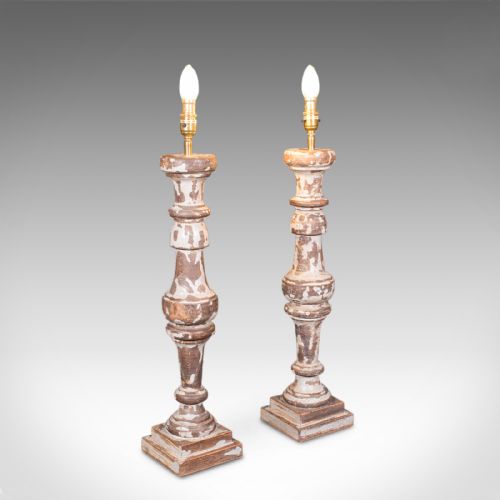
English country house lighting encompasses functional fixtures and fittings designed for period interiors, ranging from polished brass candlesticks to electrified pine lamp bases. These objects bridge the gap between historic utility and decorative display, providing ambient illumination suited to traditional spaces.
The selection leans heavily toward nineteenth-century examples alongside eighteenth-century pieces, spanning Georgian designs and later Victorian interpretations. Buyers frequently encounter candlesticks, standard lamps, and hanging lanterns that reflect the evolving needs of domestic interiors over successive centuries.
Forms vary from utilitarian wrought iron hall lanterns to refined telescopic brass candlesticks and carved wooden lamp standards. Each piece carries the distinct hallmarks of its period, whether through the austere geometry of the Georgian era or the decorative ambitions of the late nineteenth century.
Materials and construction
Construction relies upon durable metals and dense timbers such as brass, oak, pine, and wrought iron, chosen for structural stability and visual weight. Artisans shaped these materials using traditional foundry and joinery methods, ensuring each fitting could withstand daily domestic use.
Surface treatments range from polished metal finishes to painted pine and natural wood patination, reflecting the utilitarian origins of country house interiors. Metal components demonstrate expert casting and turning, while wooden elements show competent framing and turning techniques appropriate to the period.
The listings here draw upon brass, pine, oak, and wrought iron across the eighteenth and nineteenth centuries.
Distinctions in quality
Quality rests upon the purity of the materials, the sharpness of cast or carved details, and the integrity of the original construction. Superior examples retain their original surfaces and mechanisms, whereas lesser pieces often show coarse alterations or replacement parts.
The sophistication of the design dictates the standing of an object, distinguishing standard utilitarian hardware from patented or specialised creations. Weight, proportion, and balance further separate ordinary lighting fixtures from those commissioned for grander domestic settings.
The English Country House Lighting Glossary
- Brass
- An alloy of copper and zinc used extensively for durable candlesticks and lighting fixtures. It polishes to a warm golden hue and acquires a natural patina over time.
- Paktong
- A copper-nickel-zinc alloy resembling silver, prized in the eighteenth century for high-end candlesticks and metalwork. It offers a bright, silvery appearance without the softness of precious metal.
- Wrought iron
- Iron beaten and shaped by hand while hot, utilised for sturdy structural components and hanging lanterns. Its fibrous texture reveals the manual labour involved in its creation.
- Telescopic
- A mechanical design allowing a candlestick or lamp standard to adjust in height. This clever engineering suited reading desks and dining tables where variable illumination was required.
English Country House Lighting: Frequently Asked Questions
How do I date antique brass lighting?
Dating relies upon examining casting methods, base construction, and stylistic cues unique to specific periods like the Georgian or Victorian eras.
Tool marks, wear patterns, and the composition of the metal provide further evidence for establishing the approximate age of a piece.
Are old lamp bases safe for modern use?
Many older wooden and metal bases adapt well to modern electrical wiring, provided a qualified electrician inspects the internal components.
Careful rewiring preserves the historic exterior while ensuring the fixture meets current safety standards for domestic environments.
What is the difference between brass and paktong?
Brass contains copper and zinc, producing a characteristic yellow golden colour that darkens gently with age. Paktong incorporates nickel, resulting in a distinctly silvery metal that mimics more expensive materials.
How should I clean antique metal fixtures?
Gentle dusting with a dry cloth is usually sufficient to maintain the surface without disturbing the accumulated historic patina. Aggressive chemical polishes should be avoided to preserve the authentic appearance of the metal.