


Late Victorian Lamp Bases
Late victorian lamp bases provide reliable interior character through solid period construction.
Late Victorian Lamp Bases
When you examine late victorian lamp bases, you find utilitarian lighting fittings and conversion pieces originating from the nineteenth century and the turn of the twentieth century. These objects bridge the gap between historical domestic lighting and modern electrical use.
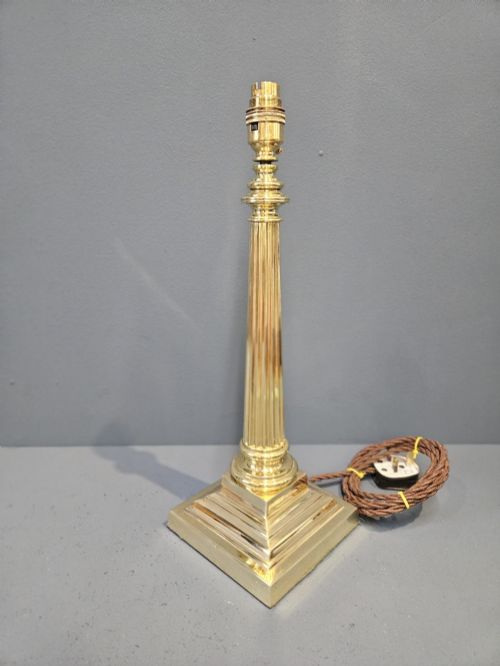
The versions most commonly met on this page include brass reeded column designs and classical column table lamps alongside occasional tables and standard lamps. Their forms reflect the prevailing aesthetic tastes of the Victorian and Edwardian periods.
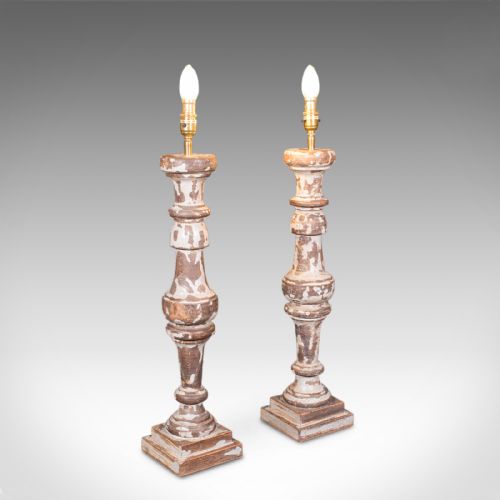
Materials span brass, glass, gilt bronze, painted pine, ceramic, and rootwood, demonstrating a varied material palette. Many of these items began their domestic lives as oil lamps before undergoing conversion to electric power.
How they were made
Makers utilised cast and turned brass, often forming rigid columns or telescopic standards designed for adjustable height. Structural elements also incorporate carved rootwood, painted pine, and turned mahogany to create robust domestic supports.
Decorative embellishments rely on glass components, silver plating, and gilt bronze highlights applied to foundational structures. Braided fabric flex is frequently integrated during modern electrical adaptation to preserve period aesthetics.
Current site listings demonstrate significant material diversity, incorporating glass, ceramic, pine, silver plate, and rootwood alongside traditional brass.
What varies in quality
The standard of execution in late victorian lamp bases depends heavily on the crispness of the casting work and the integrity of the materials. Heavy gauge brass and well-defined classical columns indicate a higher grade of manufacture than lighter, utilitarian alternatives.
Proportion and scale dictate the visual success of the piece, particularly in architectural forms like Corinthian or reeded columns. Intact original surfaces, whether blue glass, black glass bases, or silver plate, retain greater material authenticity.
The Late Victorian Lamp Bases Glossary
- Corinthian column
- A classical architectural column form featuring ornate, leaf-carved capitals. This capital style frequently tops brass and silver-plated table lamps.
- Telescopic standard lamp
- A floor-standing lamp base featuring a sliding shaft for adjustable height. These tall brass standards date from around the turn of the twentieth century.
- Reeded column
- A vertical shaft decorated with parallel convex mouldings. This classical decorative technique appears frequently on nineteenth-century brass lamp bases.
- Gilt bronze
- Metalwork coated with a thin layer of gold to produce a rich metallic sheen. This costly material elevates the decorative status of period lamp bases.
- Rootwood
- Timber fashioned from the dense, knotted root growth of a tree. Carved examples display organic patterns unique to the natural grain.
Late Victorian Lamp Bases: Frequently Asked Questions
Were these originally electric?
Most pieces started life as oil lighting or standard domestic furnishings before conversion to electricity.
Rewiring allows these historic objects to function safely within contemporary domestic spaces while retaining their original exterior appearance.
How do I date these bases?
Dating relies on stylistic clues, manufacturing techniques, and materials characteristic of the late nineteenth and early twentieth centuries.
Assessing the weight of the metal and the nature of the column design helps distinguish Victorian production from later reproductions.
Can I use standard lamp shades?
Standard modern lamp shades fit most converted fittings provided the harp or shade carrier matches the existing bulb holder.
Proportion remains the key consideration when selecting a shade to balance the height and weight of the base.
What maintenance do brass bases need?
Brass components require occasional dusting and careful handling to preserve their existing surface finish and patina.
Avoiding harsh metal polishes protects the aged appearance built up over more than a century of existence.