


Antique Electric Light Bases
Antique electric light bases anchor a room with period weight, offering sturdy metal and glass foundations ready for modern shades.
Antique Electric Light Bases
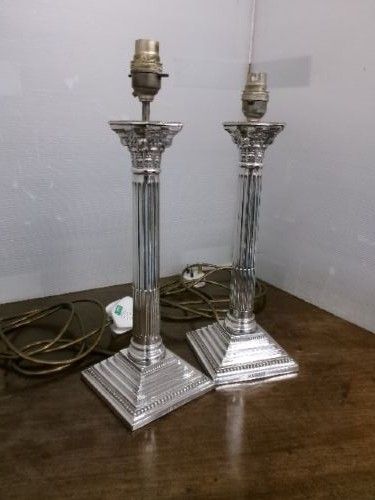
Antique electric light bases encompass table lamps and converted oil lamps spanning the nineteenth century, the Victorian era, and the early twentieth century. Buyers seeking antique electric light bases will frequently encounter silver plated Corinthian column designs alongside brass, gilt bronze, and painted pine examples.
The selection ranges from neoclassical column forms with lion's paw feet to Art Nouveau spelter figures and Napoleon III copper on brass pieces. Many pieces began as oil lamps before later conversion to electricity, retaining their original proportions and heavy metal reservoirs.
How they were made
Maker workshops utilised heavy metals such as brass, spelter, and copper, alongside silver plating over a base metal core. Cast elements frequently show detailed chasing, particularly on neoclassical capitals and figurative Napoleon III bases.
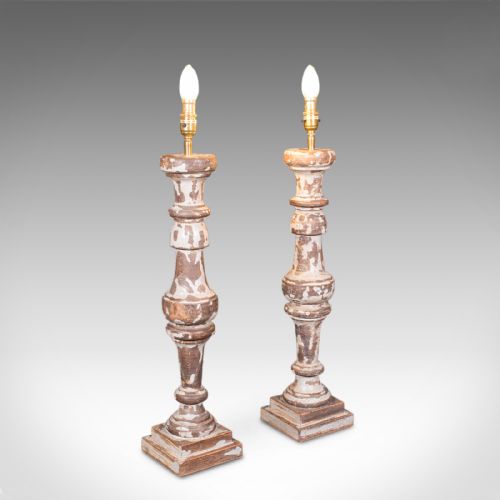
Other examples employ turned pine, glass, marble, and gilt ormolu, sometimes incorporating painted surfaces or enamelled decoration. Structural stability relied on weighted bases to support tall columns and heavy oil fonts.
Listings feature items from the 19th Century, 1880, Victorian, 1900, and 1910 periods, constructed in brass, silver plate, glass, and painted pine.
What varies in quality
Quality rests in the crispness of the casting and the integrity of the original metal plating. Heavy cast brass or gilt bronze carries a satisfying heft that lighter pressed metal components lack.
The sophistication of the decorative detail sets finer examples apart, from sharply fluted Corinthian columns to carefully modelled spelter figures and intricate stamping on converted oil lamp reservoirs.
Walter Latham & Son
The Antique Electric Light Bases Glossary
- Corinthian column
- A classical architectural column style featuring ornate acanthus leaves on the capital, frequently utilised on tall nineteenth century lamp bases. This form remains a standard choice for formal table lighting.
- Converted oil lamp
- A historic lighting vessel originally designed to burn oil that has been rewired for electricity. These pieces retain their original burner galleries and metal fonts.
- Spelter
- A zinc alloy used as a cheaper alternative to bronze for casting decorative figures and bases during the nineteenth and early twentieth centuries. It is typically painted or bronzed to simulate heavier metals.
- Ormolu
- Finely ground high-carat gold applied to a bronze base metal object through a mercury gilding process. It provides a bright, durable golden finish found on decorative French pieces.
Antique Electric Light Bases: Frequently Asked Questions
What are antique electric light bases?
These pieces are solid metal, glass, and wooden foundations designed to support lamps, including table lamps and converted oil lamps.
Many originate from the Victorian and Edwardian periods, utilising heavy brass, silver plate, and bronze materials.
How were converted oil lamps adapted?
Makers fitted electrical wiring through the central channels previously used for oil wicks and burners.
This process retained the original metal reservoirs and decorative columns while updating the function for modern homes.
How do I identify a Victorian base?
Victorian examples frequently display classical architectural motifs, such as Corinthian columns with lion's paw feet, or heavy brass and silver plated construction.
Earlier nineteenth century pieces often incorporate gilt bronze, marble, and detailed copper or brass stampings.
What materials are common?
Brass, silver plate, and spelter appear frequently across the inventory alongside painted pine, glass, and gilt bronze.
Heavier metals provided the necessary stability for tall columns and large converted oil lamp reservoirs.