




White Painted Wood Lamp
A white painted wood lamp brings soft light and aged texture to a room, combining practical illumination with the character of older timber.
White Painted Wood Lamp
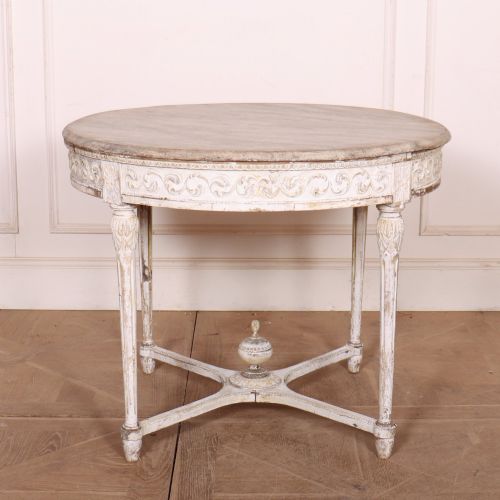
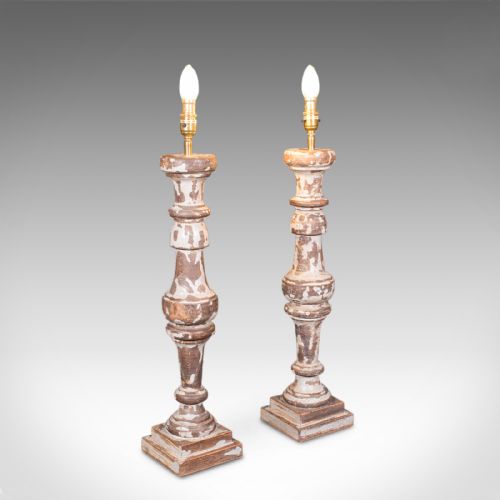
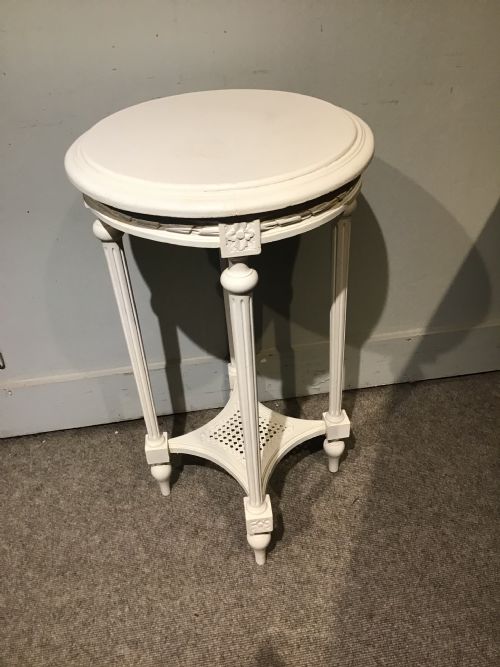
A white painted wood lamp takes many forms on this page, appearing primarily as table lamps, lamp bases, and occasional tables adapted or made for lighting. You will find items originating from Swedish, English, and French traditions, often reflecting Scandinavian country, Gustavian, or Victorian styles.
The selection ranges from pieces dated to the nineteenth century up to the early twentieth century, spanning periods like the Victorian era, 1860, 1880, 1890, 1900, 1910, and 1920. Alongside dedicated lamp bases, many listings comprise occasional tables, side tables, and pedestal tables that function within the same decorative category.
Buyers seeking this phrase encounter objects fashioned from pine and painted timber, frequently displaying worn white or polychrome finishes. These items suit rooms where understated texture and pale tones matter more than high-gloss modern perfection.
What varies in quality
Quality rests in the integrity of the timber form and the depth of the painted surface, distinguishing pieces shaped by hand from simpler later items. The character of the finish determines visual success, where honest age and layered paint hold greater appeal than flat, uniform modern coatings.
Proportion and decorative detail also divide the range, from plain turned pine pedestals to pieces influenced by Gustavian or French country design. Structural soundness in the wood and the survival of the original painted surface guide the distinction between standard items and finer examples.
Listings feature items from 1860 through 1920, constructed from pine, painted timber, and brass in styles including Gustavian, Victorian, and Chinoiserie.
The White Painted Wood Lamp Glossary
- Gustavian
- A Swedish neoclassical style originating in the late eighteenth century, known for pale painted furniture, fluted columns, and restrained carved detail. It heavily influences the light-toned wooden tables and bases seen in northern European pieces.
- Polychrome
- Painted or decorated in several colours, often found beneath or alongside white topcoats on older timber pieces. This technique adds subtle depth as the upper white paint wears through.
- Pedestal table
- A table supported by a single central pillar and base rather than four legs, frequently utilised as a compact lamp table or stand in period interiors.
- Pine
- A softwood commonly used across English and Scandinavian country furniture for its workability and availability. It takes white paint readily and shows characteristic dents and marks over time.
White Painted Wood Lamp: Frequently Asked Questions
Are these lamps originally wired for electricity?
Many older lamp bases and adapted tables have been rewired at various points in their history to meet modern safety standards. Buyers should expect that electrical fittings may reflect modern updates rather than nineteenth-century wiring.
Checking the cord and bulb holder helps determine whether a professional rewire is needed before regular daily use in the home.
How do I care for painted wooden lamp bases?
Dusting gently with a dry, soft cloth preserves the aged white paint finish without introducing moisture that could harm older timber. Avoid harsh chemical cleaners that might strip or soften the historic paint layers.
Keeping the piece away from direct heat sources prevents the wood from drying out and the paint from cracking further.
What is the difference between a lamp table and a lamp base?
A lamp table is a small piece of furniture, such as an occasional or side table, used to support a freestanding lamp. A lamp base is a dedicated vertical wooden structure designed specifically to hold a bulb holder and shade.
Both items appear within this category because tables are frequently repurposed to hold lighting in country house interiors.
How do I identify Scandinavian pieces?
Scandinavian items often display clean neoclassical lines, pale Gustavian styling, or simple country pine construction with worn white paint. They tend to emphasise light reflective surfaces suited to northern European interiors.
Comparing the turned wood details and paint application against English country examples helps highlight regional differences.