







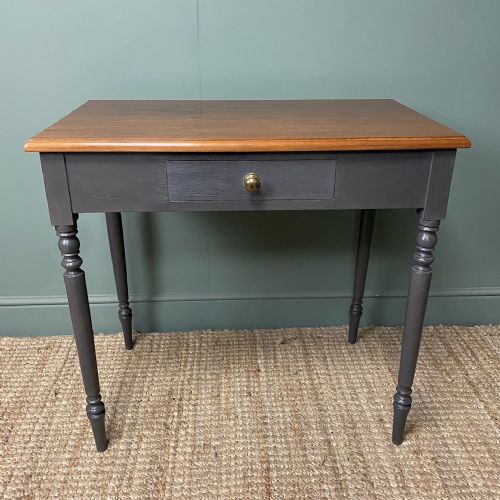
Painted Pine Lamps
These painted pine lamps and adaptable lamp tables bring vernacular character and soft colour to a room.
Painted Pine Lamps
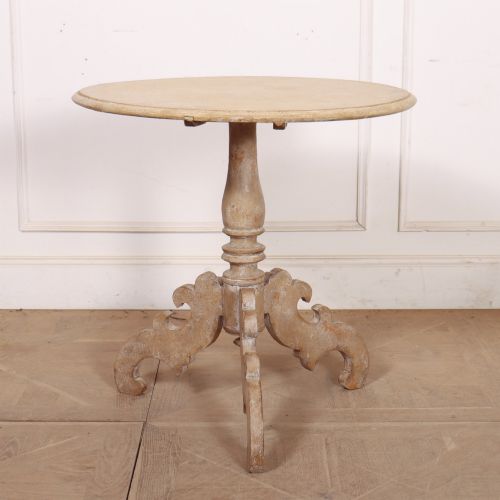
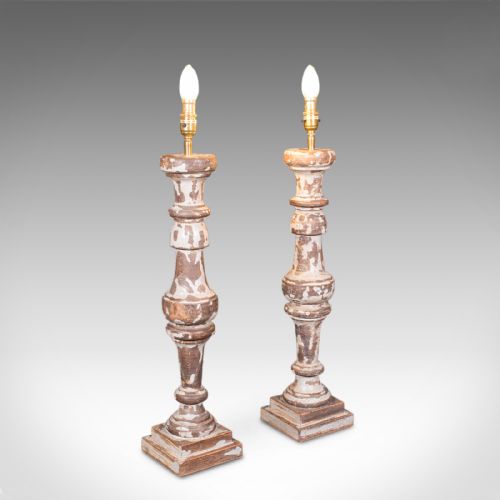
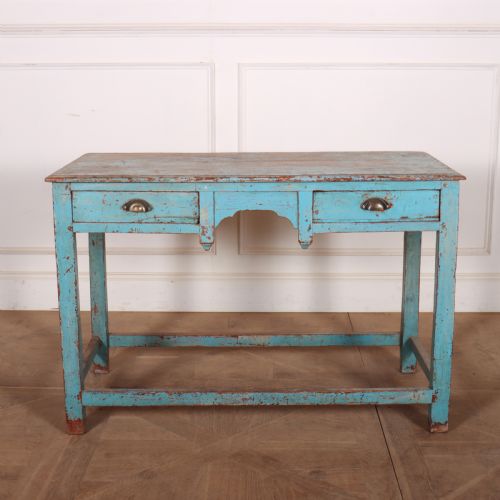
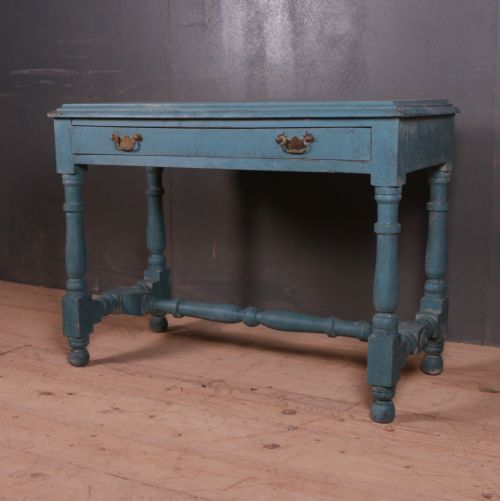
When you search for painted pine lamps, you are looking at practical timber pieces adapted as table lamp bases or small tables designed to hold lighting. The selection spans English country pieces alongside Scandinavian country and Gustavian designs.
You will most commonly encounter side tables, occasional tables, and specific table lamp bases originating from the eighteenth, nineteenth, and Victorian eras. These items merge functional utility with rustic farmhouse charm, often finished in muted tones or original painted surfaces.
Origins stretch across English workshops and Scandinavian makers, encompassing forms such as cricket tables, bedside cabinets, and console tables. Each piece demonstrates how humble softwood was elevated through decorative paintwork for domestic interiors.
How they were made
Construction relies primarily on pine and painted timber, fashioned into sturdy domestic furniture using traditional joinery methods appropriate for provincial workshops. Secondary materials such as brass and metal appear in structural fittings or electrical adaptations on later Victorian examples.
Surfaces received layers of lead-based or oil paints, sometimes accumulating patinated coats over decades of use in English and Scandinavian country homes. The wood was typically turned or planked by hand, resulting in robust tables and bases built for daily service.
Several items retain enough old paint layers to double as an impromptu geological survey of a nineteenth-century farmhouse decorating scheme.
What varies in quality
Quality rests in the survival of original painted surfaces and the integrity of the underlying pine structure. Pieces retaining their early or primary pigment without excessive modern intervention command greater interest.
Proportion and execution distinguish finer provincial work from standard utility items. Well-turned legs, balanced dimensions, and honest wear elevate a simple table or lamp base from mundane to notable.
The Painted Pine Lamps Glossary
- Cricket table
- A small, lightweight three-legged table originating in English vernacular tradition, frequently utilised for holding small lamps or objects. Its tripod design ensures stability on uneven farmhouse floors.
- Gustavian
- The Swedish interpretation of neoclassical style, characterised by restrained ornamentation and pale painted finishes. This aesthetic heavily influences the Scandinavian pieces found in this category.
- Occasional table
- A small, moveable table intended for specific, intermittent use around a room rather than a permanent central position. They serve well as surfaces for lighting and books.
- Patina
- The surface sheen and textural depth developed by wood and paint over long periods of handling and exposure. It acts as a visual indicator of age and genuine domestic use.
- Vernacular
- Everyday furniture built by local carpenters for regional use rather than high-style metropolitan cabinet-making. These items rely on local softwoods like pine rather than imported hardwoods.
Painted Pine Lamps: Frequently Asked Questions
Are these lamps newly converted?
Many items in this category begin life as small tables or architectural fragments before receiving electrical wiring. Some pieces arrive as dedicated period lamp bases while others function dually as furniture.
Wiring methods and age of conversion vary across the inventory, requiring buyers to inspect individual listings for specific electrical details.
How do I clean painted pine?
Painted softwood surfaces require gentle maintenance to preserve fragile historic pigment and accumulated patination. Avoid harsh chemical cleaners and excessive moisture that might lift old paint layers.
A soft, dry cloth is usually sufficient for dust removal, maintaining the integrity of the original finish without disturbing the underlying timber.
Where were these pieces made?
The inventory records origins across English and Scandinavian workshops, reflecting distinct regional tastes in domestic furniture. English country pieces sit alongside Swedish and Gustavian items.
Local timber availability dictated the choice of pine, while geographic traditions shaped the turning of legs and the application of paint.
How do I date a piece?
Dating relies on construction techniques, tool marks left by woodworkers, and the chemical composition or appearance of the paint layers. Georgian and eighteenth-century examples display different joinery conventions compared to Victorian pieces.
Stylistic cues such as leg profiles and historical wear patterns further help establish whether an item belongs to the eighteen-fifties or earlier centuries.