




English Country House Drawers
English country house drawers bring practical vernacular storage and honest character into a room, making them essential for traditional interiors.
English Country House Drawers
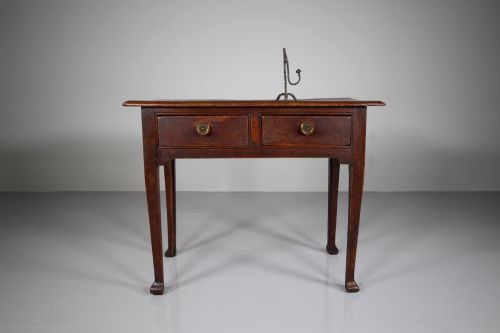
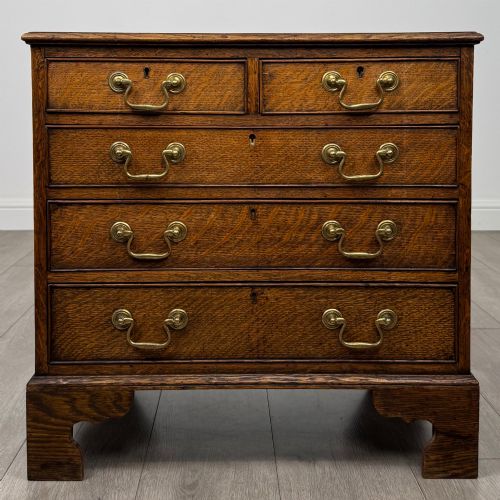
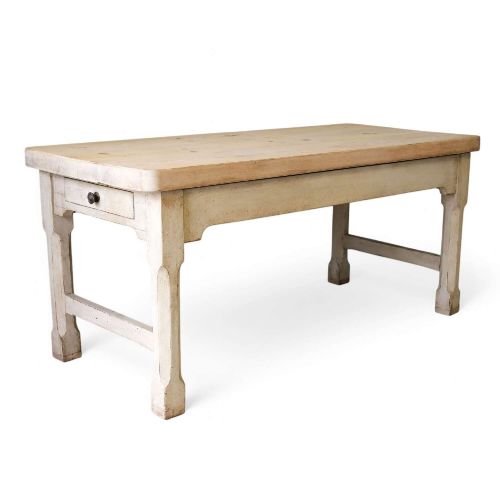
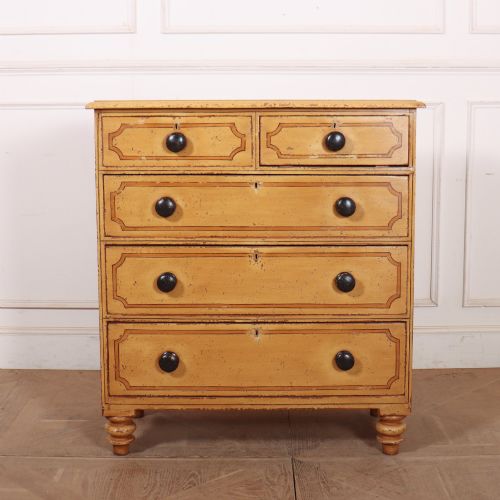
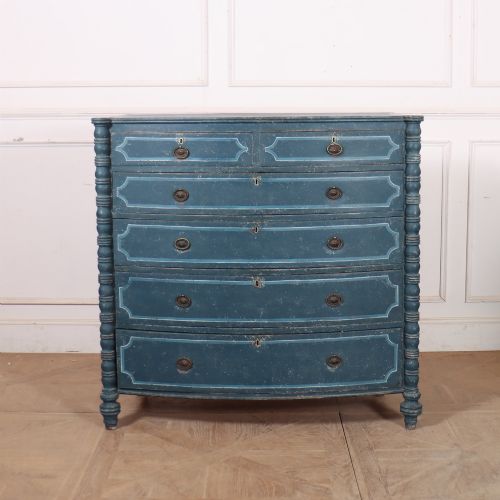
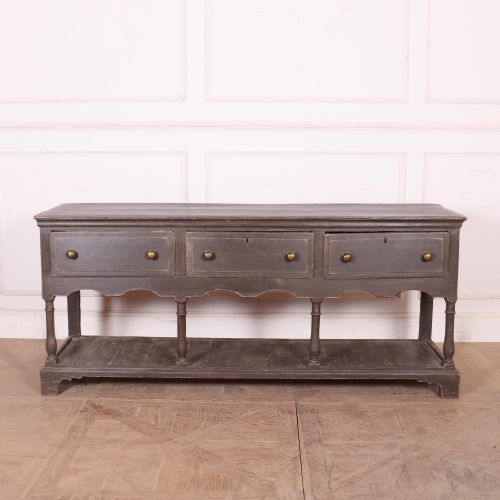
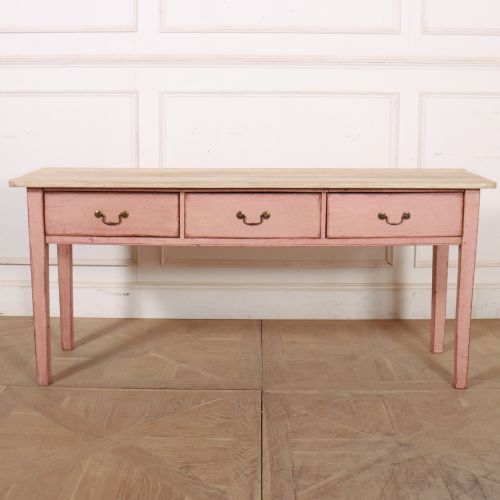
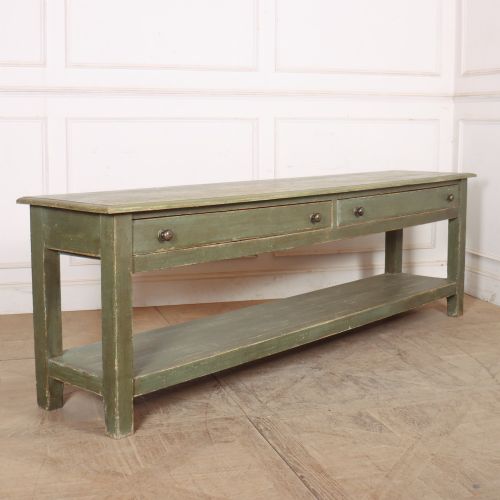
English country house drawers encompass a robust range of utilitarian and domestic furniture designed for storage and daily service across several centuries. The pieces collected here span the seventeenth, eighteenth, and nineteenth centuries, taking the form of chests of drawers, dresser bases, side tables, and servers.
The most common examples you will encounter on this page are oak and pine dresser bases alongside sturdy chests of drawers in various timbers. These items originated in domestic settings where durability and utility mattered more than courtly refinement.
Regional workshops and country joiners produced these items using local materials, resulting in honest proportions and practical storage solutions. The styles shift from early Jacobean and Georgian forms to later Victorian country interpretations.
Materials and Construction
Makers relied heavily on native hardwoods and softwoods, predominantly oak, pine, elm, fruit wood, and yew wood, selecting timber based on local availability and structural demand. Surfaces frequently display original paint finishes, scumble glaze, or bleached patinas that record decades of domestic use.
Joinery techniques prioritize strength, utilising pegged mortise and tenon joints for frames and hand-cut dovetails for drawer construction. Metalwork is typically restricted to functional brass handles, drop pulls, and keyplates that secure the contents.
Listings feature items spanning the seventeenth through the nineteenth centuries, incorporating oak, pine, painted timber, brass, and fruit wood.
Quality and Character
Quality in these pieces rests in the integrity of the timber and the honesty of the surface finish rather than applied ornamentation. Surfaces retaining original paint schemes or rich, unmolested patinas command greater interest than those stripped down or aggressively restored.
Structural soundness in the drawer construction and carcass determines everyday reliability, while the cleverness of vernacular joinery marks the hand of a skilled country carpenter. Subtle proportions and untouched regional details elevate an ordinary utility piece into a notable example of country house style.
Gillows of Lancaster
The English Country House Drawers Glossary
- Dresser base
- A low sideboard or table featuring drawers and sometimes a potboard shelf beneath, traditionally used for food preparation and storage in the kitchen.
- Scumble paint
- A decorative surface finish applied with a translucent glaze and manipulated with combs or rags to imitate the grain of more expensive exotic timbers.
- Potboard
- An open lower shelf fitted beneath a dresser base or serving table, historically designed for storing heavy pots and ceramic kitchenware.
- Lowboy
- A small side table or dressing table fitted with one or more tiers of drawers, standing on relatively tall legs.
- Wellington chest
- A tall, narrow chest of drawers secured by a hinged locking side stile that fastens over the drawer edges.
English Country House Drawers: Frequently Asked Questions
What defines English country house drawers?
These pieces are practical storage items built from native timbers like oak, pine, and fruit wood for domestic utility rather than formal display. They reflect regional craftsmanship and straightforward construction methods.
You will find them in forms ranging from low dresser bases with potboards to sturdy chests of drawers and bedside cabinets carrying decades of honest wear.
How were dresser bases used?
Dresser bases served as central workhorses in large country kitchens and service areas for preparing food and organising tableware. The drawers held utensils while the lower potboards accommodated heavy cookware.
Over time, many migrated from service quarters into principal rooms as aesthetic tastes shifted to appreciate their utilitarian charm and warmth.
How do I care for antique painted wood?
Protect antique painted and scumble surfaces by keeping them away from direct sunlight and maintaining stable indoor humidity levels. Dust gently with a dry, soft cloth and avoid chemical cleaners that strip historic finishes.
Allow the natural patina to endure without applying modern polishes or sealants that alter the historic appearance of the timber.
How can I tell eighteenth century oak from later pieces?
Eighteenth-century oak furniture displays deep patination, hand-cut joinery marks, and structural wear consistent with long use. The timber grain often shows distinct medullary rays from quarter-sawing methods.
Later Victorian country pieces frequently exhibit machine-sawn components and different fastening techniques, even when replicating earlier Jacobean or Georgian styles.