
Antique Painted Pine
When you search for antique painted pine, you find functional domestic timbers transformed by historic coats of colour, from country dressers to kitchen tables.
Antique Painted Pine
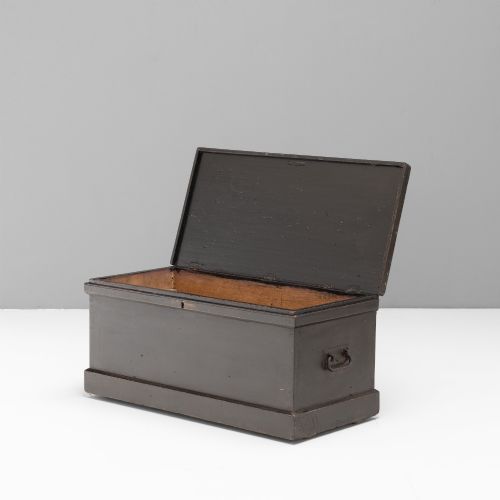
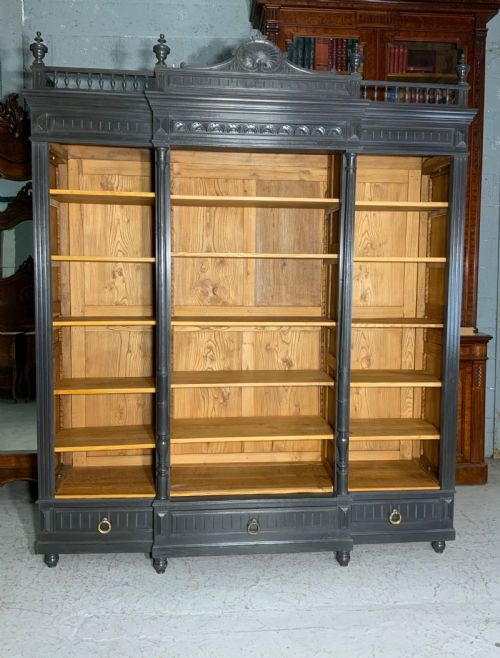
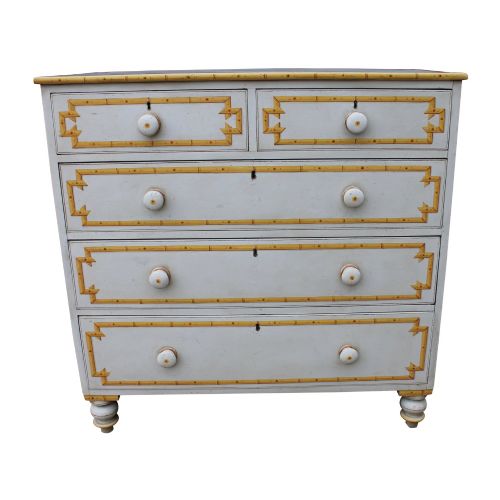
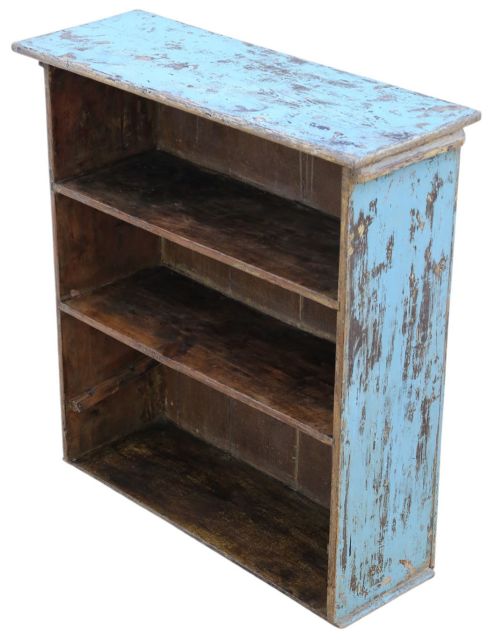
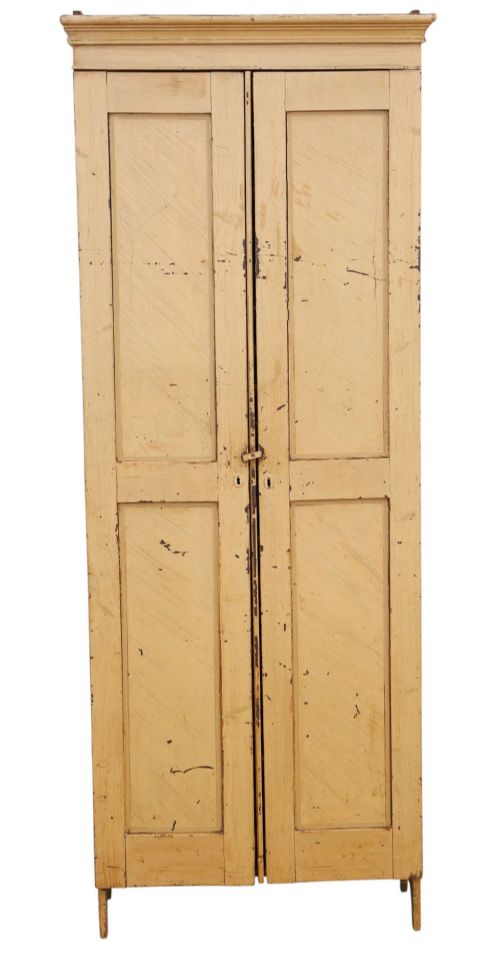
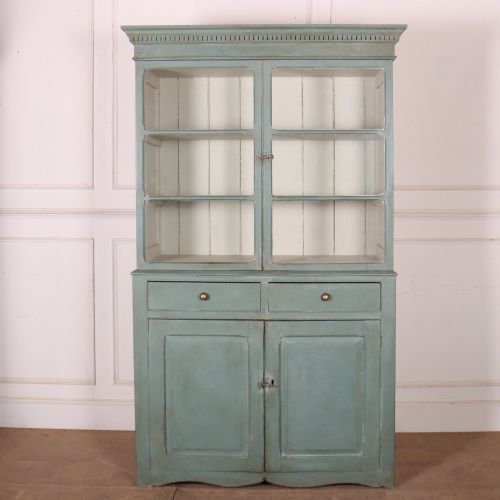
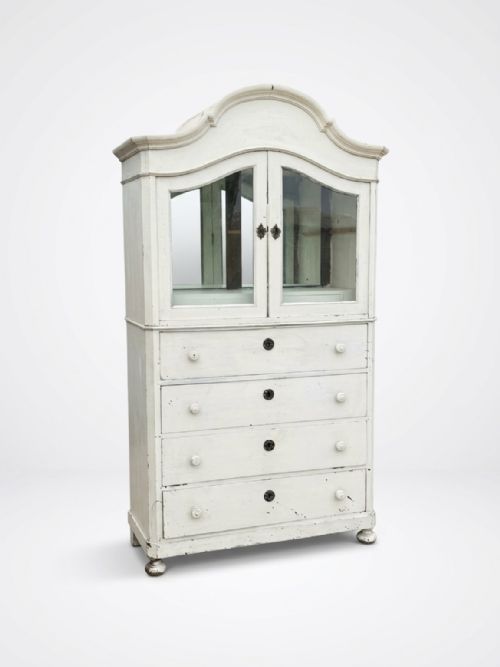
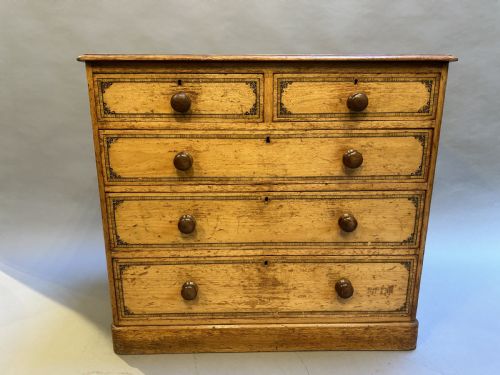
When searching for antique painted pine, buyers encounter a wide variety of domestic furniture and utilitarian objects originally fashioned from softwood and finished with pigmented coatings. The selection spans utilitarian storage and display, including chests of drawers, kitchen dressers, bookcases, and wardrobes designed for everyday household use.
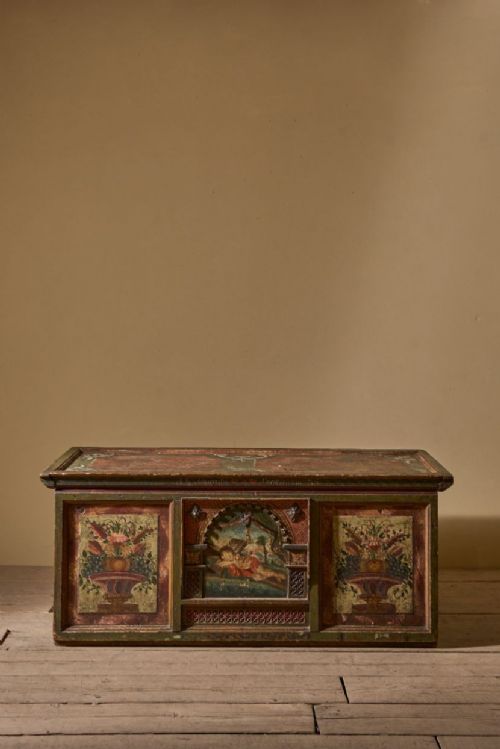
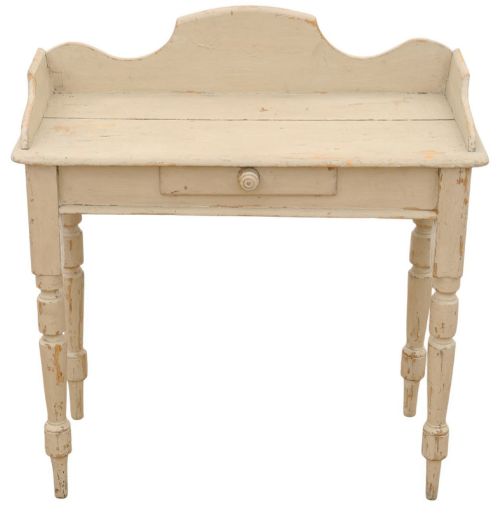
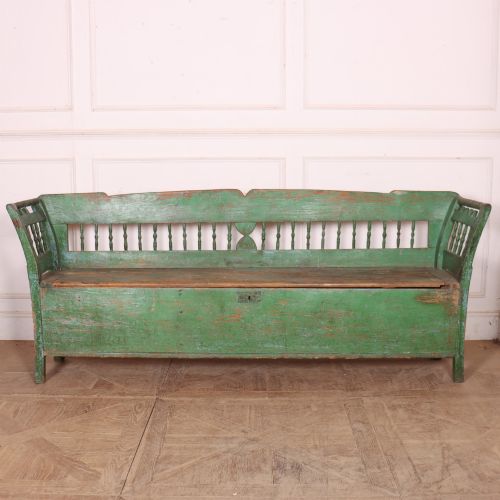
Regional vernacular pieces feature prominently on this page, originating from English farmhouses, Scottish country houses, and continental workshops such as those in Sweden and Hungary. These items range from sturdy dining tables and side tables to specialised forms like cricket tables, washstands, and settle benches.
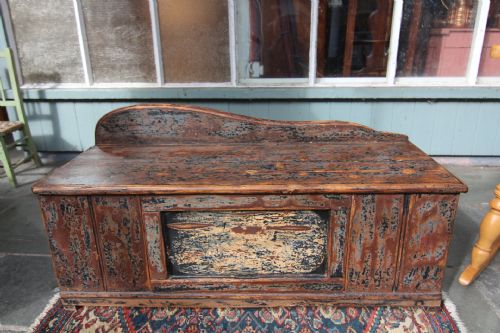
Many survivors retain layers of historic or original paintwork, displaying tones of blue, cream, grey, and green alongside decorative scumble effects that mimic finer timbers. This surface treatment bridges the gap between humble utility and decorative folk art, appealing to collectors seeking character and authenticity in domestic interiors.
How they were made
Makers constructed these items primarily using solid pine, a softwood selected for abundance and ease of working, joined with traditional framing methods such as dovetails for drawer construction and pegged mortise and tenon joints for tables and cupboards.
Surfaces were prepared and finished with various coatings, including lead-based or oil paints, and sometimes layered with scumble glazes to create faux wood grain or decorative patterns using combs and specialised brushes.
Hardware such as hinges, strapwork, and drawer pulls incorporated hand-forged iron or cast brass, reflecting the functional requirements of each piece and the period of its manufacture.
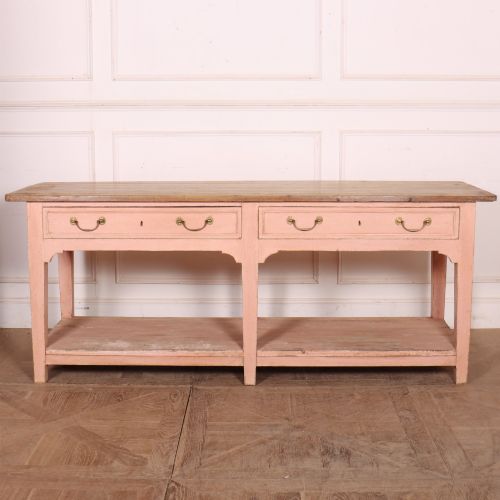
The inventory records vernacular forms such as cricket tables, potboard dressers, washstands, and apothecary banks of drawers in various regional styles.
What varies in quality
The survival of early or original surface coating strongly influences the character and standing of a piece, with unstripped layers of historic paint holding greater interest than modern repainting.
Construction methods and proportion dictate the overall integrity, distinguishing utilitarian workshop output from more refined vernacular furniture featuring decorative mouldings or carved motifs.
Completeness of original elements, including brass or iron hardware, backboards, and interior shelving, separates unaltered examples from heavily restored or married items.
Jacques
The Antique Painted Pine Glossary
- Scumble
- A translucent glaze applied over a lighter base coat and manipulated with combs or rags to simulate the grain of oak or other expensive timbers. This technique allowed makers to elevate humble softwood.
- Cricket table
- A small, lightweight three-legged table with a round top, traditionally used in vernacular settings. The three splayed legs ensured stability on uneven farmhouse floors.
- Compactum
- A fitted wardrobe containing a combination of hanging space, drawers, and shelving within a single unit. These practical pieces offered comprehensive storage for Victorian garments.
- Potboard
- An open shelf beneath a dresser base, traditionally used for storing pots, pans, and heavy kitchen utensils. It forms an integral part of vernacular Welsh and Scottish dining furniture.
- Vernacular
- Architecture and furniture created by local craftsmen using traditional methods and native materials to satisfy specific regional needs. These objects embody the unpretentious character of domestic life.
Antique Painted Pine: Frequently Asked Questions
Are these pieces suitable for daily kitchen use?
Many items, such as dressers, tables, and cupboards, were originally built for rigorous domestic service. They remain sturdy enough for contemporary dining and storage.
Protect vulnerable painted surfaces from excessive moisture and heat by using mats and coasters. Treat the historic finish with reasonable care during daily tasks.
How can I tell original paint from modern repainting?
Original finishes exhibit natural craquelure, micro-abrasions, and uniform wear consistent with age and usage. Pigments often show subtle fading and chemical changes over centuries.
Modern applications tend to feel flat, lack underlying wear, and may reveal newer primer layers beneath chips. Inspect edges and interiors where layers naturally accumulate or thin.
What is scumble paint?
Scumble paint involves applying a tinted translucent glaze over a solid base colour. Artisans used brushes and combs to move the wet glaze, creating faux wood grains.
This decorative method allowed owners to enjoy the appearance of costly timber on accessible softwood carcasses. It remains a prized feature among collectors of country furniture.