




English Coastal Landscape Painting
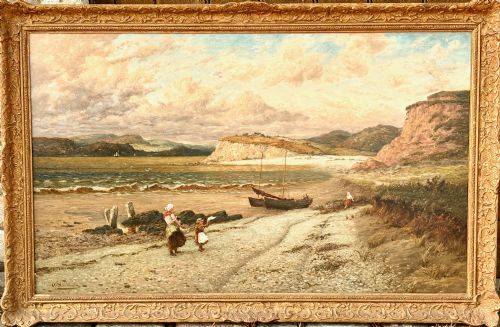
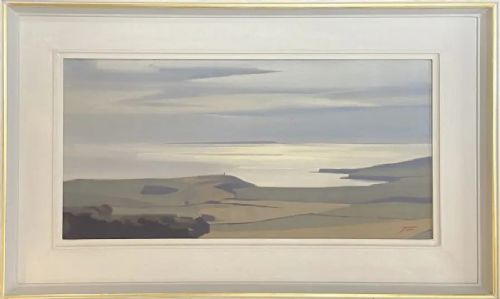
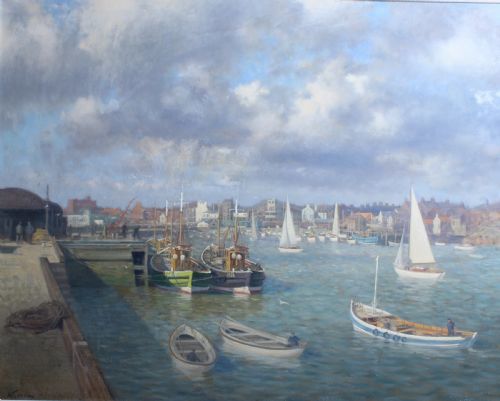
When you search for english coastal landscape painting, you find works capturing harbours, cliffs and fishing boats along the shore.
English Coastal Landscape Painting
An english coastal landscape painting depicts the shores, estuaries and fishing ports of Britain across various periods. Buyers seek these works to bring maritime history and coastal scenery into domestic interiors.
The selections available range from detailed nineteenth-century watercolours to impressionist oil paintings from the mid-twentieth century. Cornwall, Yorkshire and Dorset feature prominently among the depicted locations.
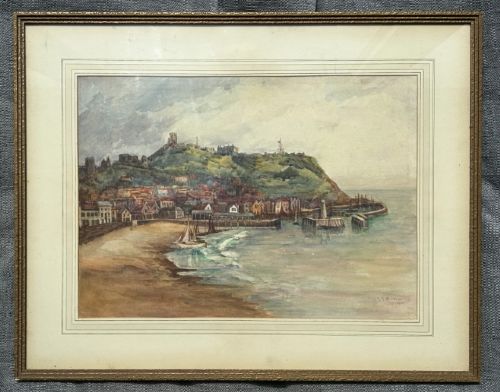
Artists record specific harbours such as Whitby, St Ives and Scarborough alongside quiet estuaries and open beaches. These depictions serve as historical records of British coastal communities and changing maritime trades.
Materials and Techniques
Artists utilised watercolour pigment on paper for transparent effects and luminous skies, often working outdoors directly from the subject. Watercolours capture the changing light on tidal mudflats and sea foam with delicate washes.
Oil paint on canvas or wooden panel allows for heavier impasto application and richer textures, visible in mid-century works depicting rough seas and cliffs. Oil mediums provide durability and depth, enabling painters to layer pigments for stormy weather or sunlit water.
Listings feature paper, canvas, and wood panels alongside watercolours and oil paints.
Evaluating Quality
Quality rests upon the artist's ability to render atmospheric conditions, perspective and local topography convincingly. Stronger examples demonstrate confident brushwork and accurate handling of light on water and stone.
Composition and regional specificity distinguish finer pieces from generic factory or amateur output. Works signed by documented artists with established exhibition histories command greater attention from collectors.
James Orrock·William Banks Fortescue·James Fry·Thomas Bush Hardy·Arthur Tucker
The English Coastal Landscape Painting Glossary
- Watercolour
- A paint consisting of a pigment suspended in a water-soluble vehicle. It is typically applied to paper to create translucent layers of colour.
- Impasto
- The process of applying paint thickly so that it stands out from the surface. This technique adds visible texture and three-dimensional quality to oil paintings.
- Estuary
- The tidal mouth of a large river where the tide meets the stream. Painters frequently depict these areas for their interplay of land, water and sky.
- Seascape
- A work of art that depicts the sea. Such pieces form a distinct category within landscape painting.
English Coastal Landscape Painting: Frequently Asked Questions
What periods do these paintings cover?
The works span from the early nineteenth century through the Victorian era and into the mid-twentieth century. Styles evolve from traditional realism to post-war impressionism.
Later pieces often show looser brushwork and bolder palettes compared to the detailed precision of nineteenth-century watercolours.
Where were most coastal scenes painted?
Popular locations include Yorkshire fishing ports like Whitby and St Ives in Cornwall. Dorset and the Isle of Man also appear frequently in the surviving works.
Artists favoured these active maritime regions for their dramatic cliffs, harbours and seafaring communities.
How should I frame an antique painting?
Traditional giltwood or simple wood frames suit nineteenth and early twentieth-century works best. Matching the frame style to the period of the painting preserves its historical context.
Conservation mounting with acid-free materials protects paper watercolours from environmental degradation over time.
Are watercolours or oils better for display?
Oils on canvas or panel offer robust surfaces suitable for various room environments. They require less stringent protection than works on paper.
Watercolours demand placement away from direct sunlight to prevent fading of the pigments. Both mediums bring distinct textural qualities to wall art displays.