

English Ceramic Pot
When you handle an english ceramic pot, you touch centuries of domestic craft spanning delftware, porcelain and stoneware.
English Ceramic Pot
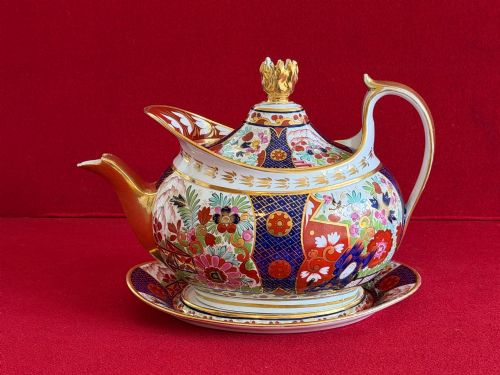
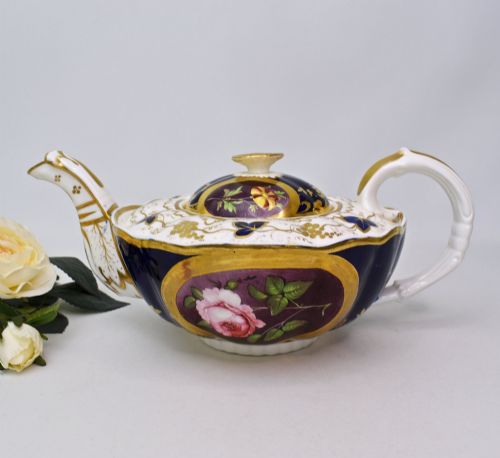
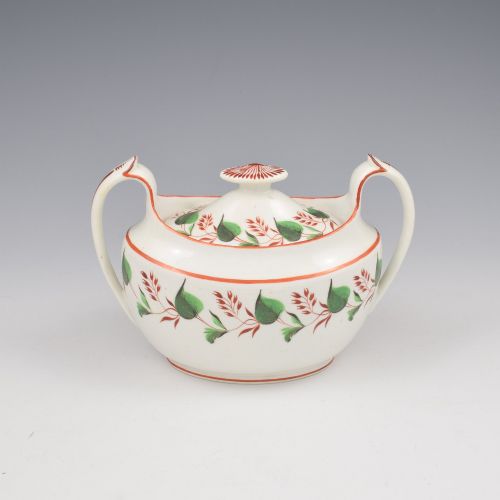
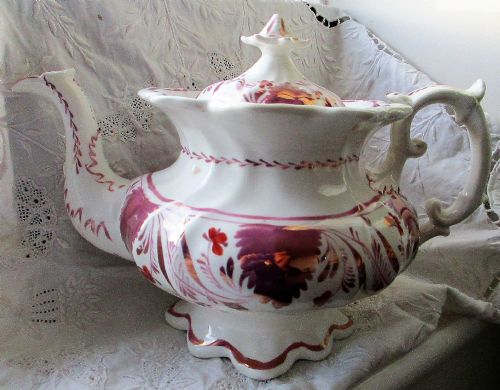
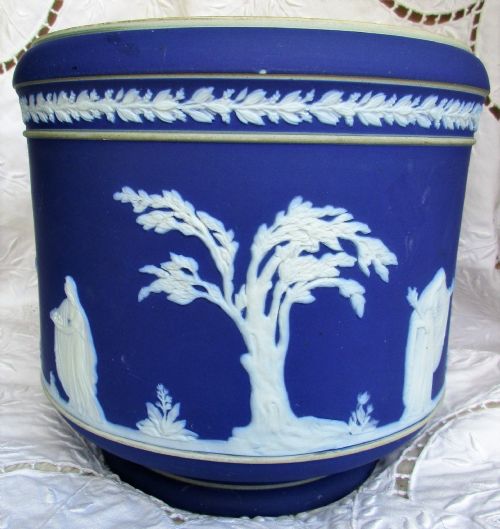
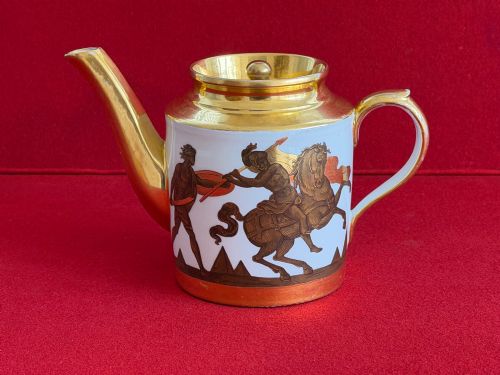
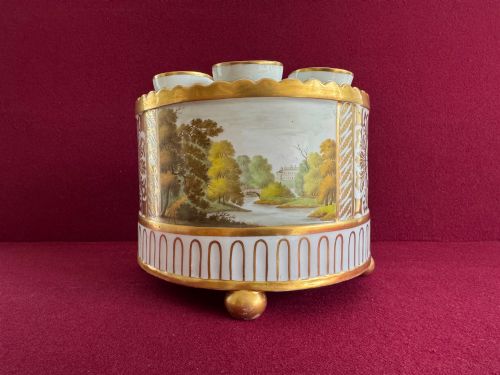
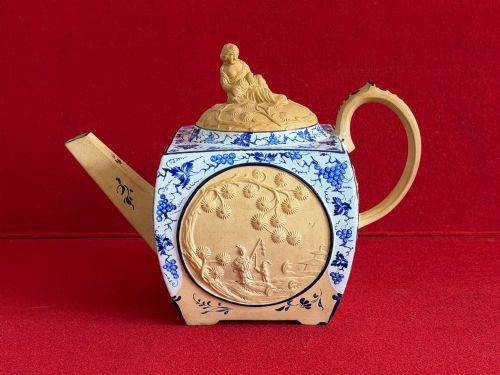
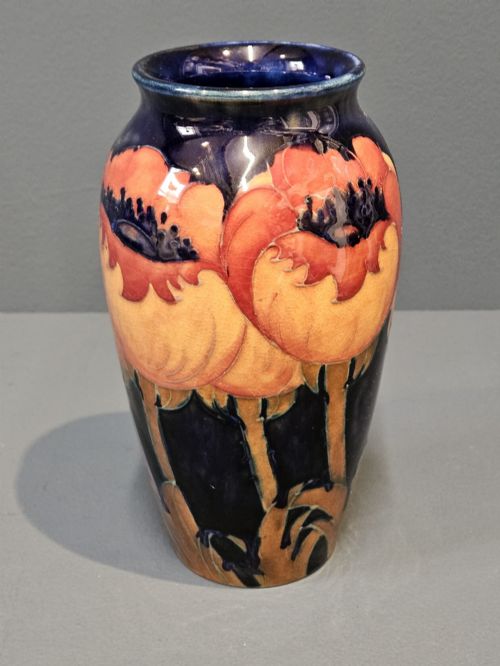
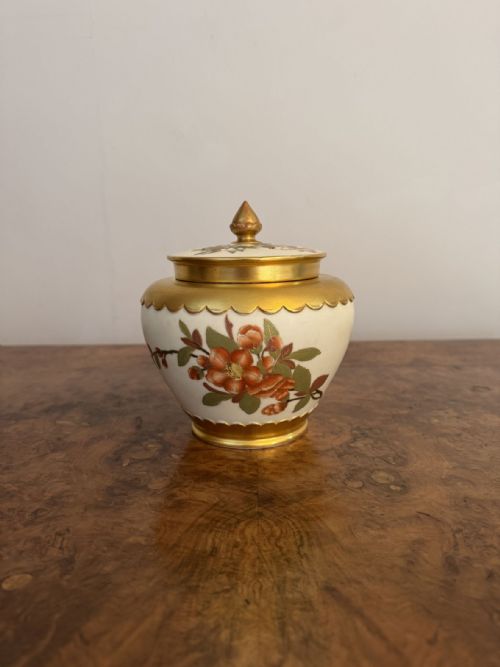
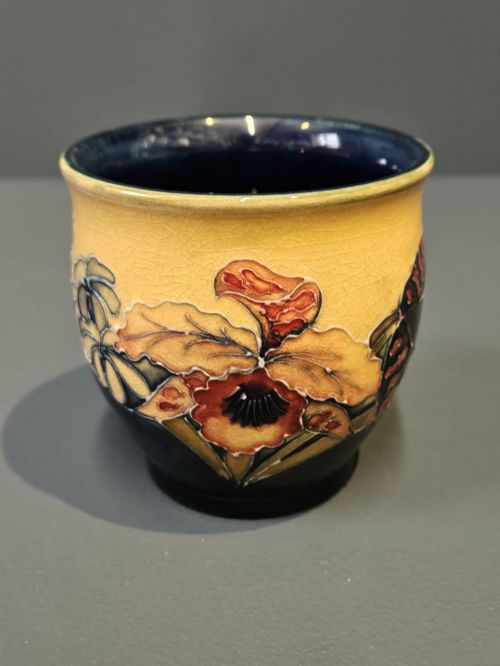
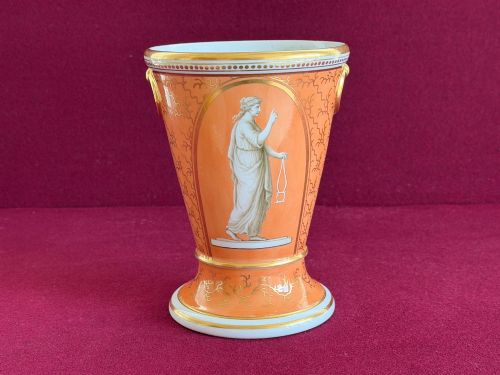
An english ceramic pot encompasses utilitarian vessels, decorative vases, teapots and apothecary jars originating from British kilns across the seventeenth, eighteenth, nineteenth and twentieth centuries. Buyers seeking these items encounter diverse forms including posset pots, bough pots, jardinières and tobacco jars shaped from earthenware, stoneware and porcelain.
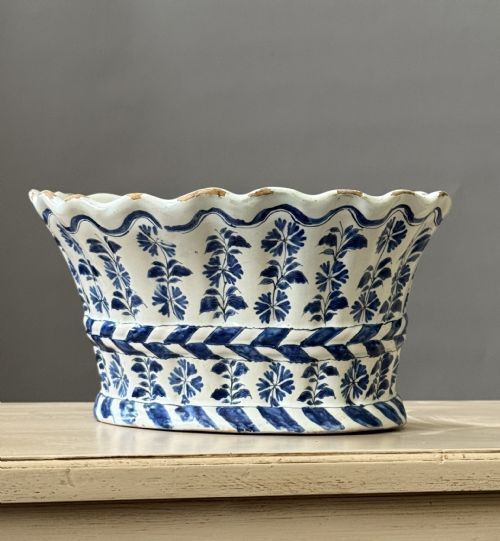
The selection ranges from early tin-glazed delftware and creamware of the georgian period to ornate victorian transferware and art nouveau art pottery. Functional items such as mustard pots, pepper pots and chocolate cups sit alongside purely ornamental potpourri vessels and spill vases.
Makers span regional potteries and established factories, utilising styles from chinoiserie to rococo. Each piece reflects the domestic habits, kitchen requirements and parlour tastes of its specific era.
Materials and Techniques
Potters utilised local clays, refined paste bodies and specialised glazes to construct these vessels. Earthenware, creamware, pearlware and ironstone formed the structural body, often finished with tin glaze, salt glaze or transfer-printed decoration.
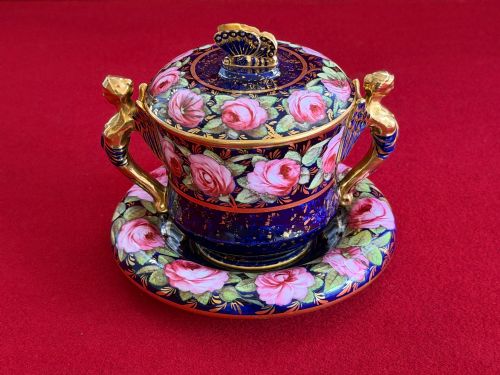
Porcelain bodies from factories such as worcester and spode required high-temperature firing and were frequently hand-painted with cobalt blue, enamels or gilding. Stoneware applications utilised salt glazing to achieve dense, durable surfaces suitable for daily kitchen or pantry storage.
English Ceramic Pot Retail Price Guide 2026
Typical asking prices for english ceramic pot among the pieces listed under this phrase on Sellingantiques today, from the lower quarter to the upper quarter. They describe what is for sale here now, not the wider market.
Materials represented include porcelain, earthenware, stoneware, enamel and gold leaf.
Judging Quality and Execution
Quality rests in the crispness of the moulding, the control of the kiln firing and the precision of the hand-painting or transfer printing. Superior examples display clean potting lines, stable glazes free from excessive pitting, and balanced proportions.
Finer decorative pots exhibit nuanced polychrome enamelling, careful gilding application and well-preserved surface detail. Utilitarian pieces demonstrate robust throwing and glazing designed to withstand practical domestic service without losing structural definition.
Royal Worcester·Spode·Moorcroft·Mintons·William Adams And Sons·Mason·Bretby Pottery
The English Ceramic Pot Glossary
- Delftware
- Tin-glazed earthenware produced in England from the seventeenth century onwards, typically finished with a white opaque surface painted in blue.
- Creamware
- A refined, light-coloured earthenware developed in the eighteenth century with a warm yellowish lead glaze.
- Transferware
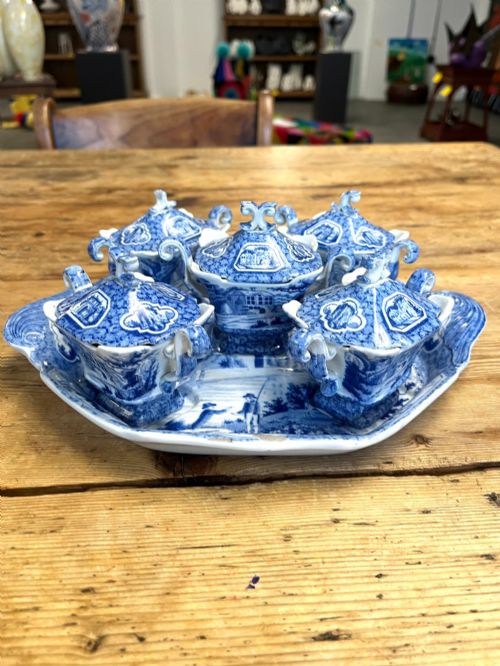
- Pottery decorated by applying a design from an engraved copper plate onto paper, which was then transferred to the ceramic surface before glazing and firing.
- Posset pot
- A spouted vessel with handles used historically for serving posset, a hot curdled milk drink mixed with wine or ale.
- Sucrier
- A small lidded pot designed specifically for holding sugar during tea service.
English Ceramic Pot: Frequently Asked Questions
How do I identify an 18th-century pot?
Eighteenth-century pots typically feature bodies like creamware, soft-paste porcelain or tin-glazed delftware, often showing hand-painted chinoiserie or floral motifs.
Examine the base for unglazed foot rims and characteristic kiln marks rather than modern printed factory stamps.
What is a bough pot used for?
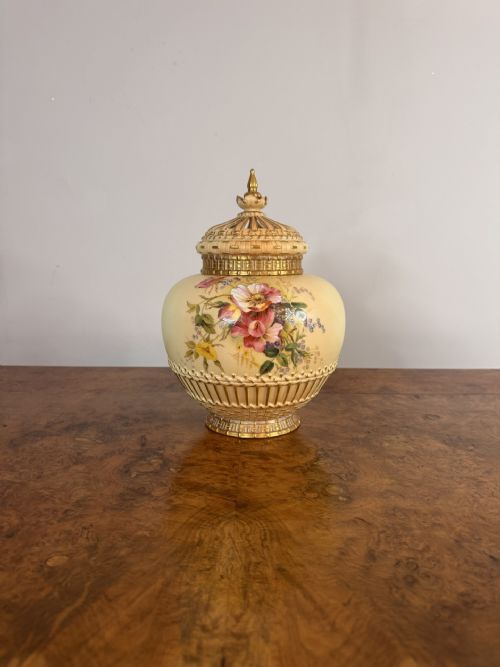
Bough pots were designed to hold fresh leafy branches or cut flowers inside the home during the warmer months.
Many examples feature pierced or perforated lids to keep stems upright and arranged within the decorative ceramic body.
Are these pots safe for food use?
Most antique ceramic pots are intended for display, collection or dry storage rather than modern culinary service.
Historic glazes can contain lead or suffer from hairline cracks and staining that make them unsuitable for consuming food or liquids.
How should I clean antique pottery?
Dust surfaces gently with a soft, dry brush and avoid submerging pieces with old repairs or vulnerable overglaze enamel decoration.
Harsh detergents and soaking can penetrate hairline fractures and permanently damage porous historic earthenware bodies.