
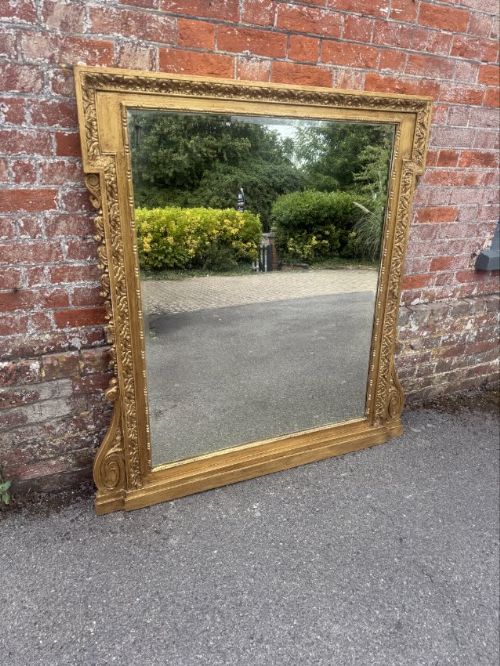
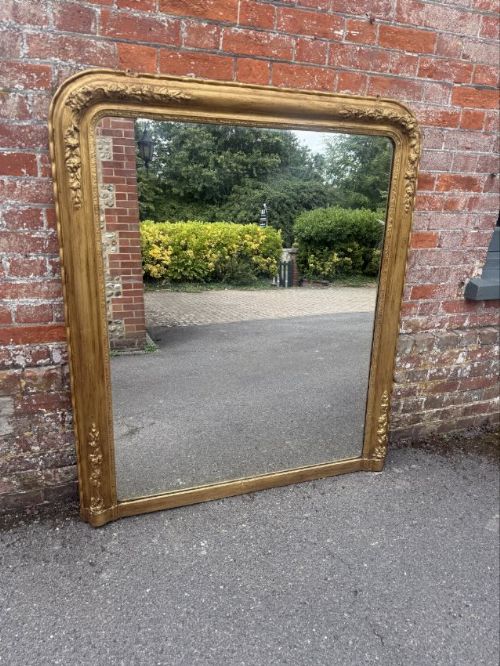
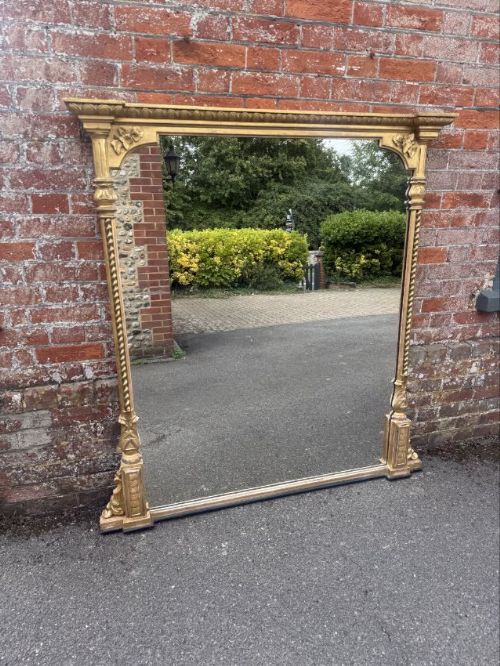
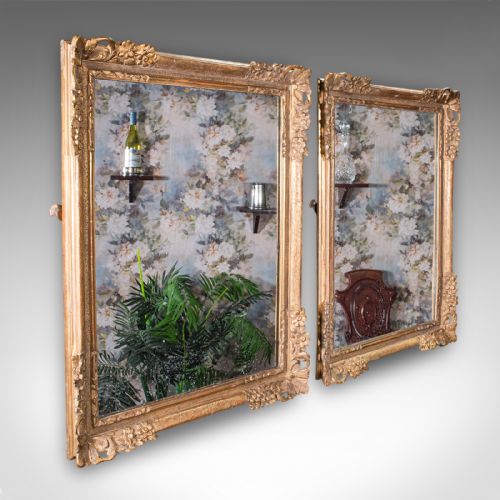
English Carved Mirror
Discover an english carved mirror, offering traditional decorative wall pieces crafted to bring period character and reflective depth to living spaces.
English Carved Mirror
An english carved mirror encompasses decorative items designed for domestic interiors, spanning centuries of British craftsmanship from the Georgian era through the Victorian period. These pieces function primarily as wall-mounted furnishings, providing both practical reflection and architectural presence within rooms.
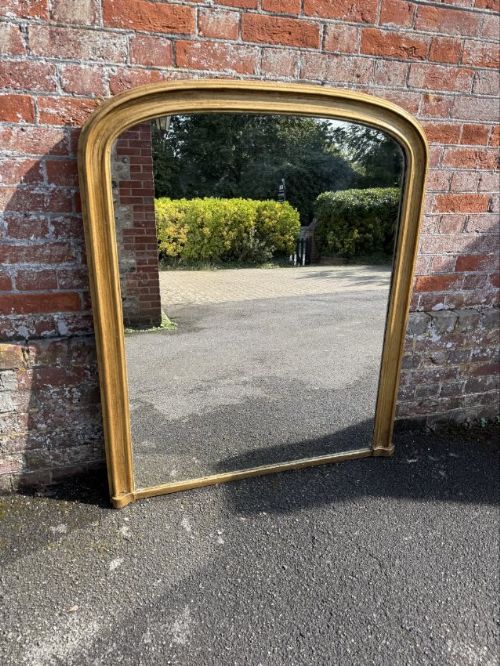
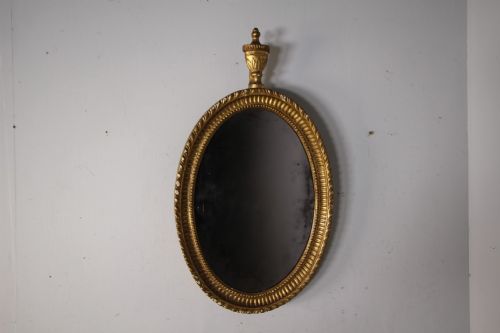
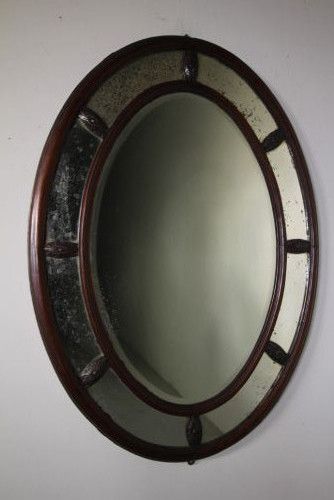
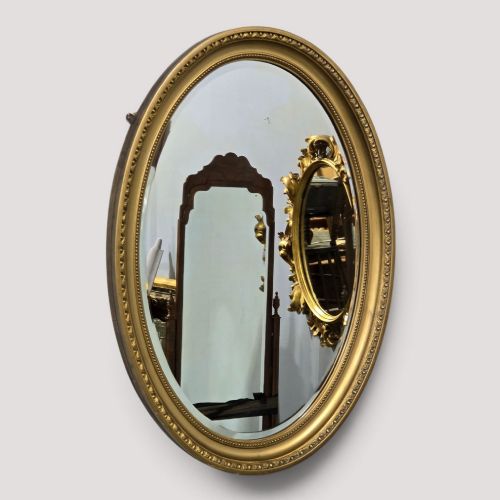
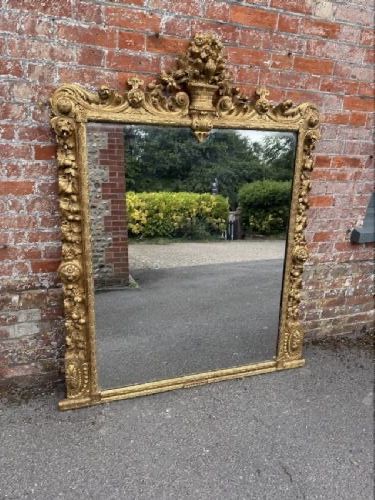
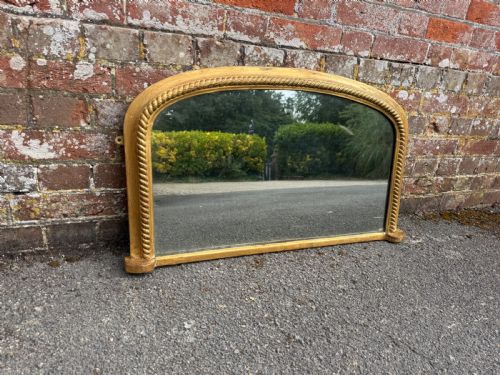
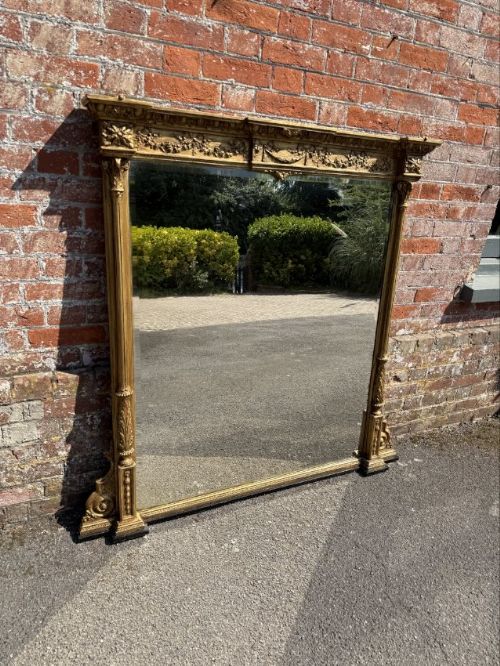
The selections available range widely in form and scale, from compact oval wall mirrors to substantial overmantle mirrors intended for positioning above fireplaces. Collectors frequently encounter 19th-century examples featuring carved wood and gesso frames alongside earlier eighteenth-century designs.
Alternative configurations include pier mirrors built to sit between windows and combined items such as bookcases with mirror fronts. These objects reflect the changing domestic tastes of English country houses and town residences across different decades.
How They Were Made
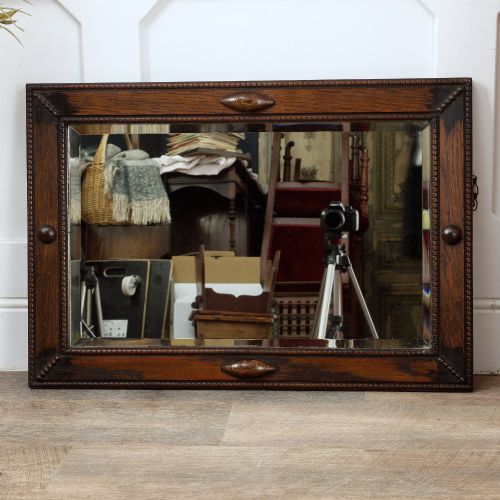
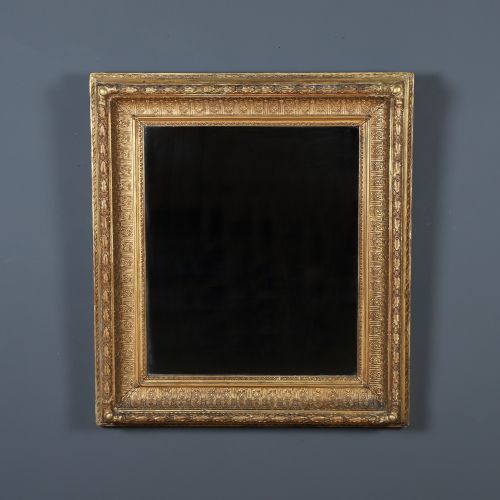
The construction of these mirrors typically relies on carved wood frameworks shaped from timber such as oak, mahogany, or softwoods. Artisans applied layers of gesso over the wooden base to build up detailed ornamentation and smooth surfaces before gilding.
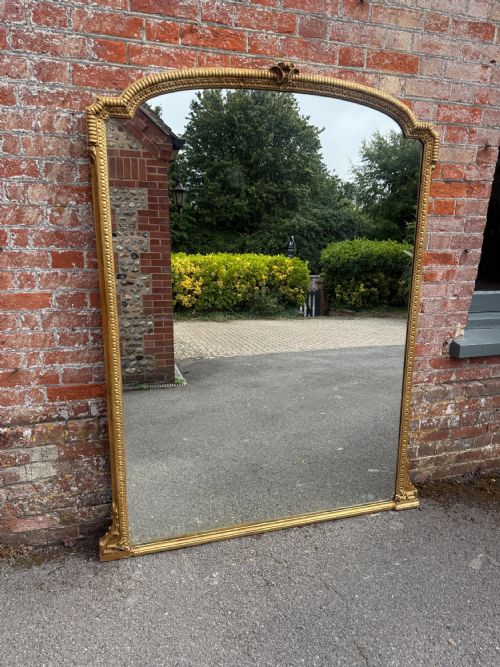
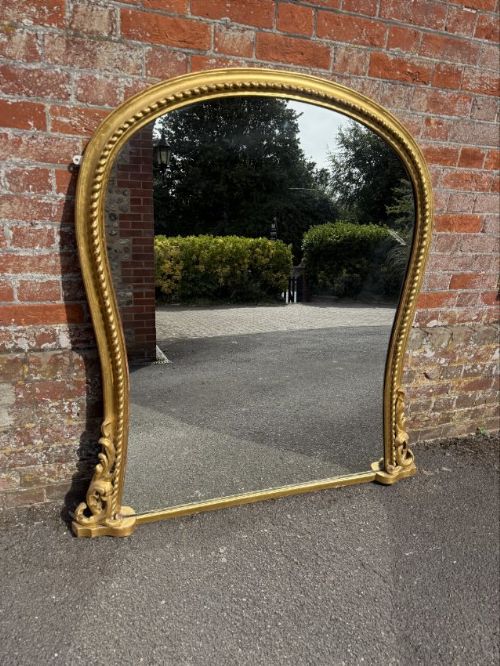
Giltwood and gold leaf finishes provide the characteristic metallic sheen seen on many examples, applied over the prepared gesso mouldings. Craftsmen utilised specialised techniques to carve rope twists, ribbed patterns, and architectural columns directly into the frames.
Current listings feature English mirrors spanning from the 18th century through the Edwardian period, utilising wood, gesso, and gold leaf.
What Varies in Quality
The distinction between tiers of these pieces rests on the depth and precision of the carved details applied to the wood and gesso. Finer examples display crisp, hand-chiselled ornamentation and well-balanced proportions that demonstrate superior artisan skill.
The integrity of the original gilt surface and the preservation of the early mirror glass plates further differentiate the overall standard. Pieces retaining their initial gilding and authentic reflective plates command greater appreciation from collectors.
The English Carved Mirror Glossary
- Gesso
- A plaster-like material applied to wooden frame bases to create a smooth surface for subsequent gilding or painting. This mixture allowed artisans to mould intricate relief decorations before finishing.
- Overmantle Mirror
- A large horizontal mirror specifically scaled to hang on the wall directly above a fireplace mantelpiece. These substantial items often feature arched or shaped tops designed to echo architectural cornices.
- Pier Mirror
- A tall, narrow mirror traditionally manufactured to fit the wall space between two windows. They frequently incorporated console tables or sat flush against narrow structural piers.
- Giltwood
- Timber frames coated with a thin layer of gold leaf applied over a prepared gesso ground. This finish provided a brilliant reflective quality popular in formal reception rooms.
- Verre Eglomise
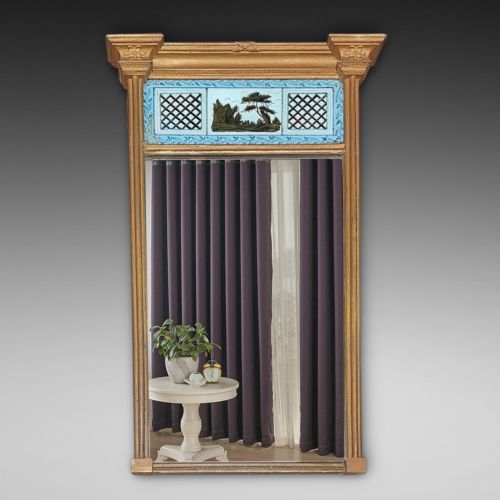
- A historic technique involving the application of gold or silver leaf to glass, combined with engraving and painting on the rear face. It appears on specialised panels within select period frames.
English Carved Mirror: Frequently Asked Questions
Where should I hang an overmantle mirror?
These large mirrors traditionally occupy the wall space directly above a fireplace hearth, anchoring the visual weight of the chimney breast within a room. Their proportions work best when centered horizontally above the mantel shelf.
Alternatively, they function effectively on principal living room walls to amplify natural light and create an illusion of expanded interior space. Ensure the wall structure securely supports the substantial weight of carved wood and glass.
How do I identify a Georgian mirror?
Georgian pieces typically exhibit restrained classical proportions, often utilising mahogany or finely carved giltwood frames with symmetrical Neoclassical motifs. Construction details from this era include pegged joinery and older backboards suited to eighteenth-century cabinet-making standards.
Later Victorian interpretations often adopted heavier ornamentation, incorporating elaborate gesso mouldings, arched crests, and bolder architectural column framing. Comparing the timber type and decorative vocabulary helps clarify the period of production.
What is a foxed mirror plate?
A foxed plate refers to mirror glass that has developed dark spots, mottling, or cloudy degradation across the reflective surface over long periods of time. This chemical ageing process occurs as moisture interacts with the silvering backing behind the glass.
Many collectors value this natural patination because it confirms the genuine antique status of the glass plate. It introduces a softened, atmospheric reflection distinct from modern manufacturing.
Can I hang a heavy wall mirror safely?
Securing a heavy carved timber and gesso mirror requires locating wall studs or employing appropriate heavy-duty masonry fixings matched to your wall type. Using professional hanging hardware distributed across multiple points ensures the substantial weight is held safely.
Consulting a professional installer is recommended for oversized overmantle mirrors to prevent accidental strain on the frame or wall structure. Proper weight distribution protects both the antique frame and your domestic interior.