
English Bone China Display
English bone china display pieces bring hand-painted birds, botanical studies and rich gilding from the Georgian period to the mid-twentieth century into your home.
English Bone China Display
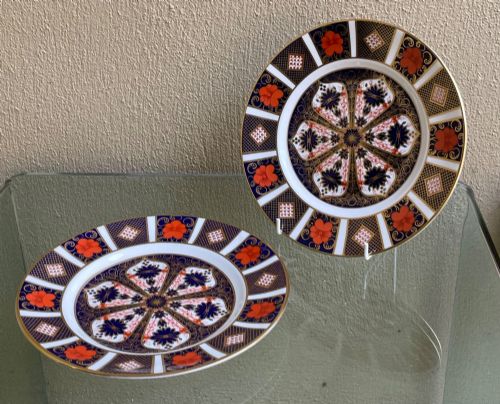
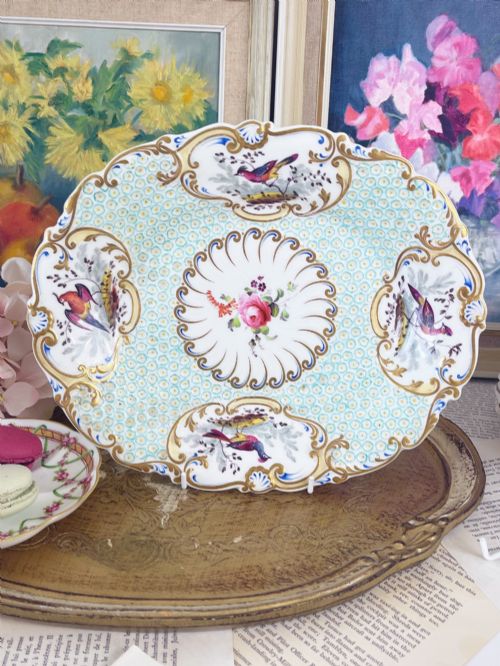
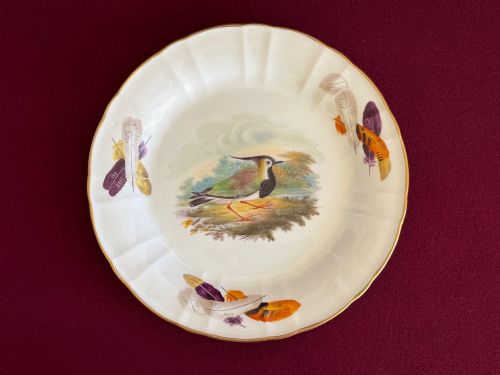
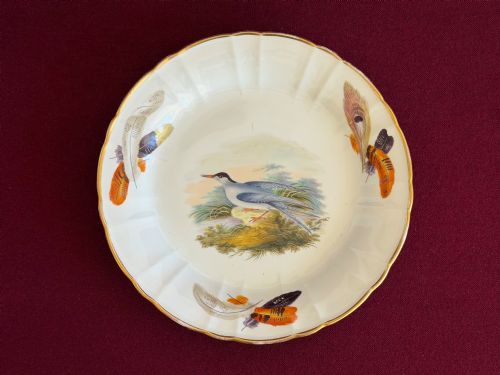
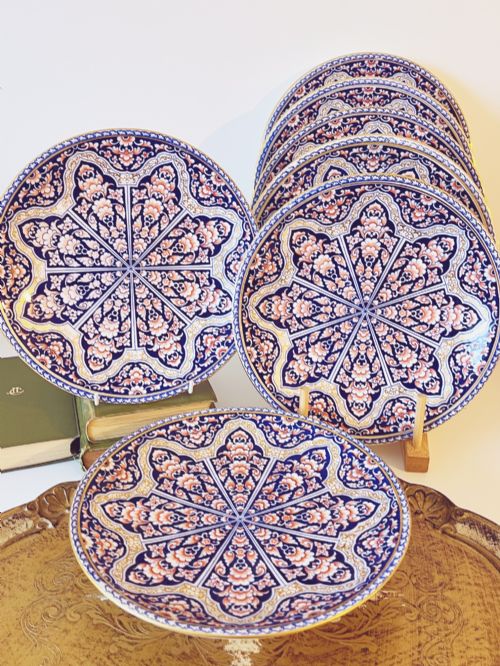
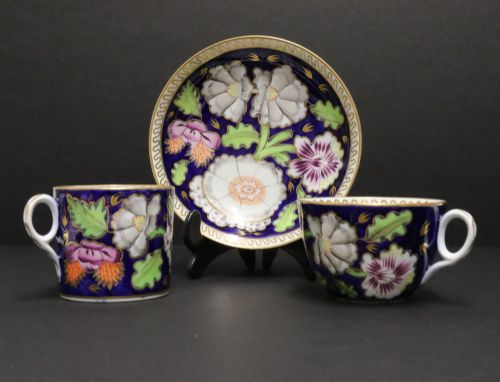
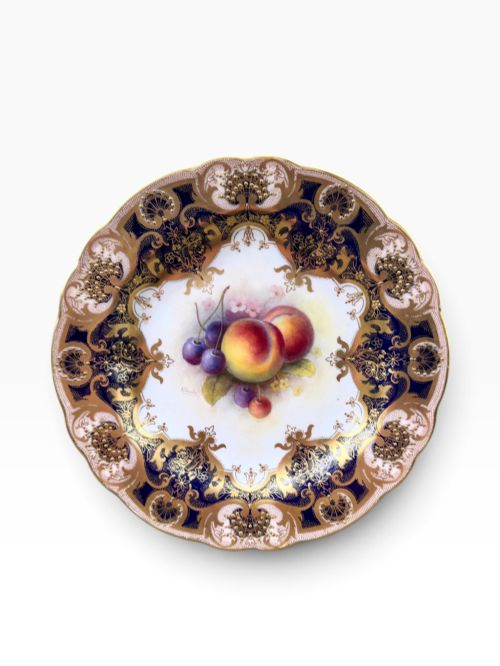
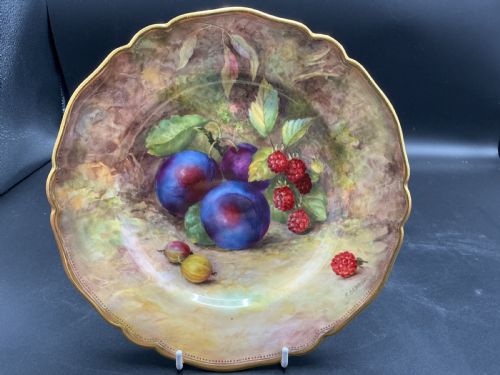
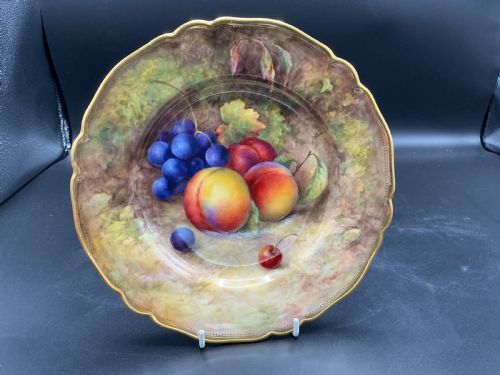
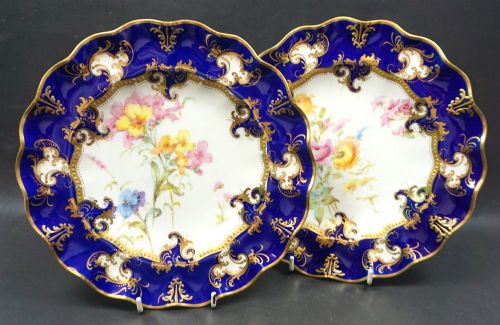
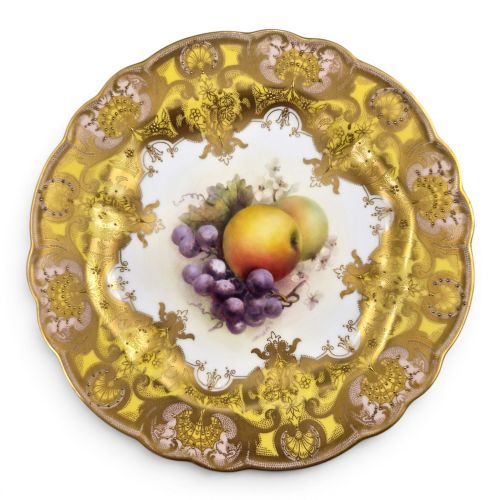
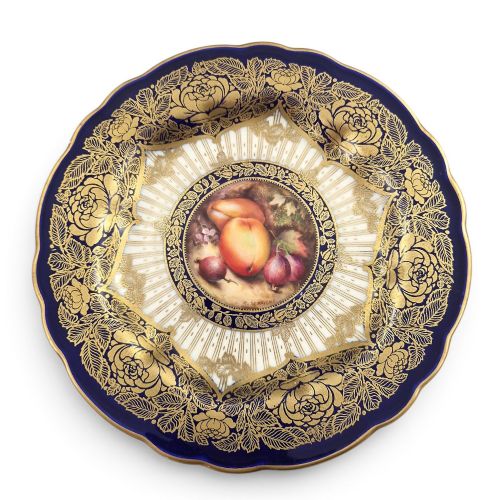
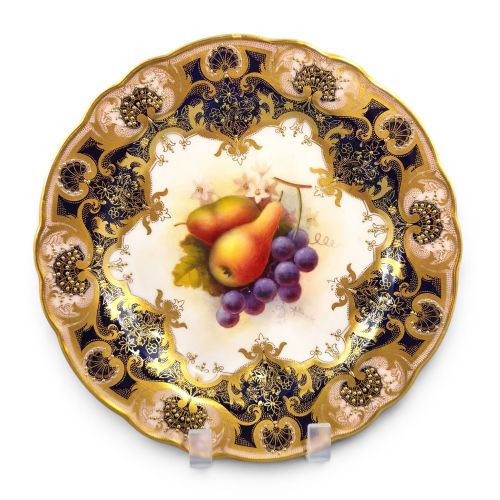
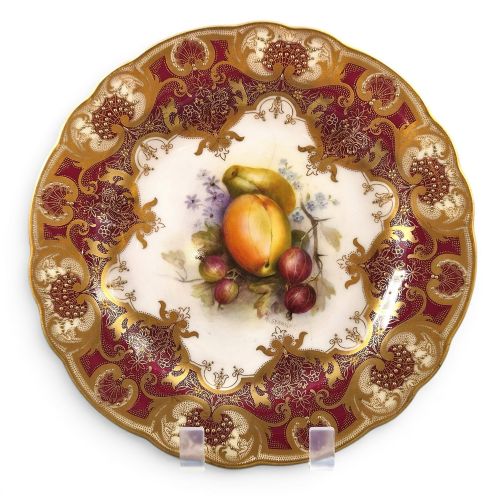
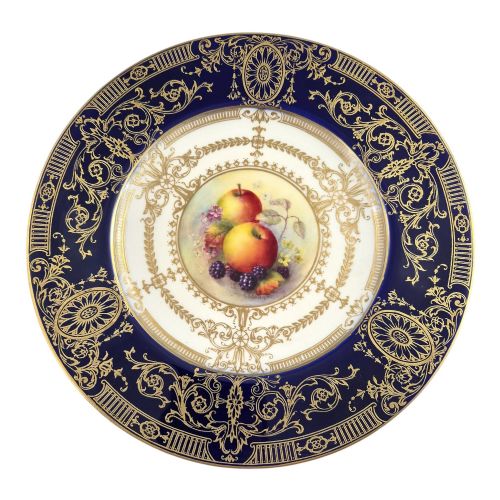
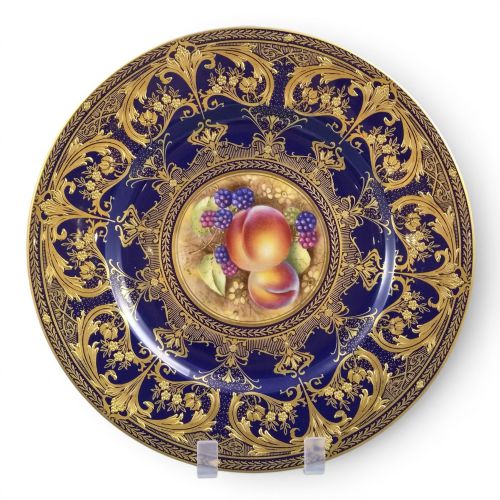
When you search for English bone china display, you are looking at cabinet plates, decorative plates, vases, platters and dessert services designed to be shown rather than used for daily dining. These display items range from Georgian and Regency hand-painted plates to Edwardian vases and mid-century Royal Worcester fruit-painted porcelain.
The pieces you are most likely to meet on this page include cabinet plates and decorative dishes from makers such as Royal Worcester, Coalport and Royal Crown Derby. Forms span single plates, pairs, dessert services comprising a comport and plates, and covered vases.
Originating primarily from traditional English potteries spanning the nineteenth and twentieth centuries, these items capture shifts from Imari patterns and botanical studies to elaborate fruit painting by named artists. Each piece reflects the decorative taste of its specific decade, from Victorian armorials to Art Deco forms.
Distinctions in quality
Quality rests upon the skill of the painting and the reputation of the decorator or pottery. Pieces featuring signed work by recognised painters command greater attention than standard transfer-printed items.
The application and preservation of gold leaf, gilding and enamel work also distinguish finer examples. Crisp hand-painting, intricate bone china forms and documented provenance elevate specific items above standard production wares.
Object types range from cabinet plates and vases to complete dessert services and serving dishes.
Royal Crown Derby·H & R Daniel·Wedgwood·Royal Worcester·John Ford·Minton·Copeland·Coalport·Flight Barr and Barr·Rockingham·Royal Doulton
The English Bone China Display Glossary
- Cabinet plate
- A decorative plate intended for display in a cabinet or on a wall rather than for dining use. These often feature elaborate hand-painted scenes or rich gilding.
- Comport
- A raised serving dish or pedestal bowl used as the centrepiece of a dessert service. They match the surrounding plates in pattern and palette.
- Pate sur pate
- A ceramic decoration technique where layers of liquid white clay are built up on a coloured background to create a low relief cameo effect. This method requires considerable skill from the artisan.
- Armorial
- A design incorporating a family crest, coat of arms or heraldic insignia. Plates bearing these motifs were custom-ordered for landed families.
English Bone China Display: Frequently Asked Questions
How do I display cabinet plates safely?
Cabinet plates look best mounted on sturdy wall hangers designed specifically for porcelain or stood securely in glazed display cabinets. Ensure the mounting brackets use protective coatings to prevent scratching the glaze.
Keep display pieces away from direct sunlight to protect hand-painted enamel colours and gold gilding from fading over time. Regular dusting with a soft, dry cloth maintains the surface finish.
Were these plates used for food?
Most decorative cabinet plates and dessert service components were made for display or formal presentation rather than everyday dining. Finer pieces featuring raised gold leaf and delicate enamel work are easily damaged by cutlery and modern dishwashers.
Historical dessert services were occasionally used for serving sweet courses at elite dinners, but surviving examples in good condition generally spent their lives as ornamental items.
How do I date a piece of English bone china?
Pottery marks stamped, painted or impressed on the reverse of plates and vases provide the primary evidence for dating. Many factories utilised specific date codes, registration numbers or changes in the form of the crown or script in their backstamps.
Stylistic clues such as Aesthetic movement motifs, Victorian borders or Art Deco forms also narrow down the decade of manufacture alongside any inscribed dates.
What is the difference between porcelain and bone china?
Bone china incorporates animal bone ash into the traditional porcelain paste of kaolin and petuntse. This addition creates a material known for its milky translucency and greater strength.
English potteries developed bone china to compete with imported hard-paste porcelain, finding it exceptionally well-suited for fine casting and detailed enamel painting.