


English Blue White China
English blue white china brings together centuries of domestic tableware decorated in cobalt, ranging from delicate tea bowls to robust earthenware platters.
English Blue White China
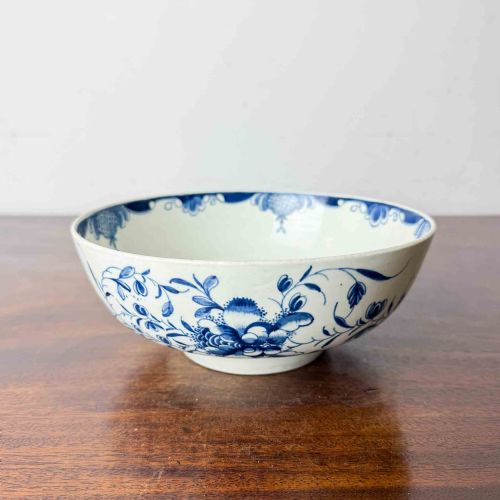
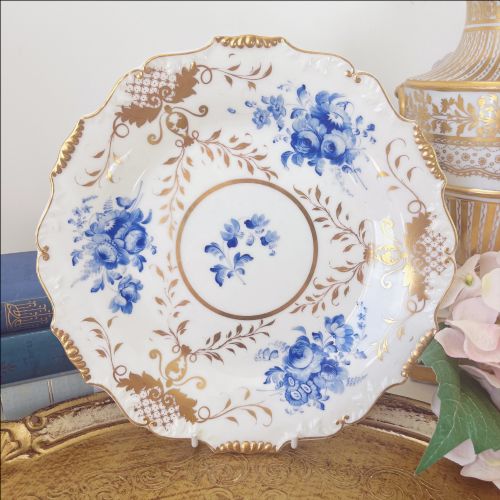
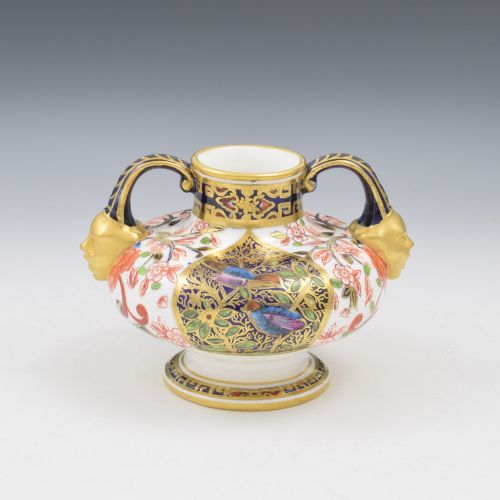
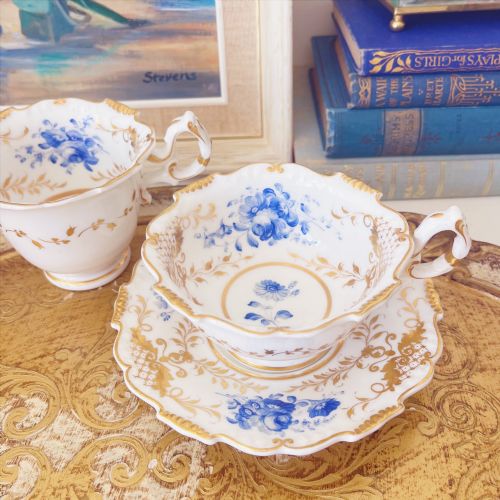
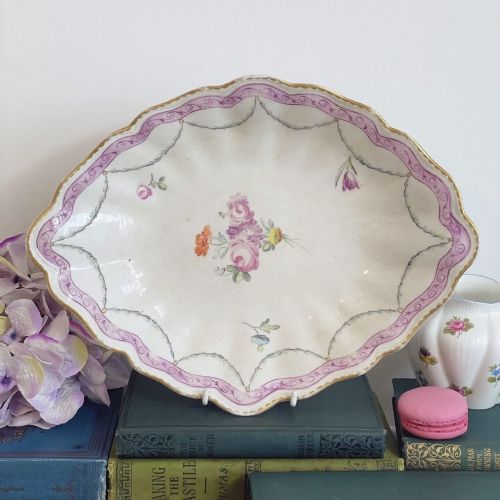
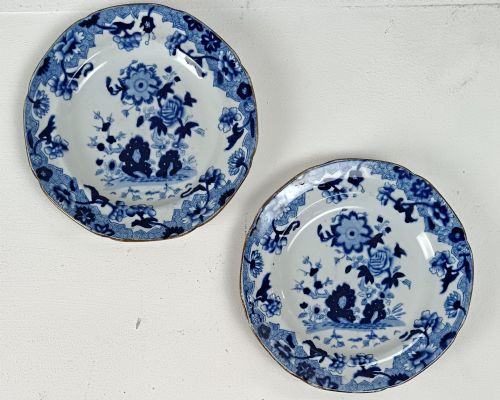
When you search for english blue white china, you encounter a varied selection of domestic tableware and decorative vessels spanning the eighteenth and nineteenth centuries. The pieces on this page lean heavily towards eighteenth-century porcelain from factories like Worcester and Caughley, alongside nineteenth-century earthenware and ironstone from makers such as Spode and Mason's.
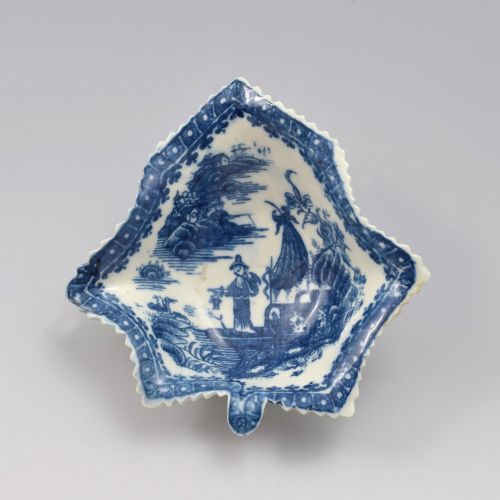
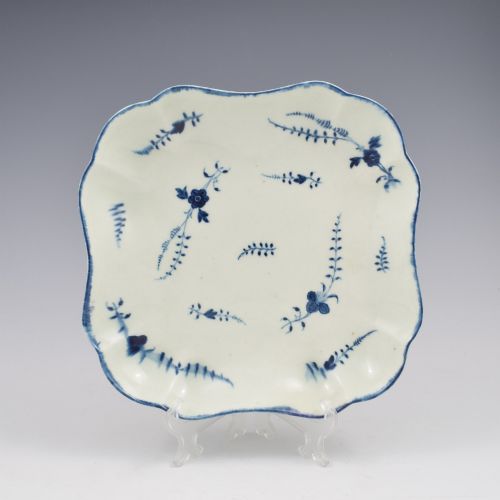
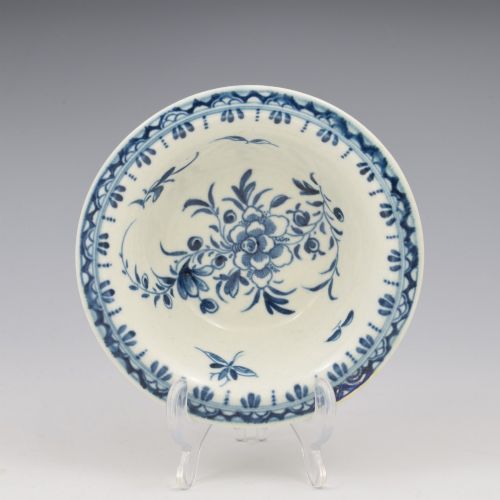
Form follows function across the selection, moving from intimate tea bowls and saucers to grand serving dishes, tureens, and platters. Forms like pickle dishes, sauceboats, and chestnut baskets demonstrate the specialised nature of Georgian and Victorian dining.
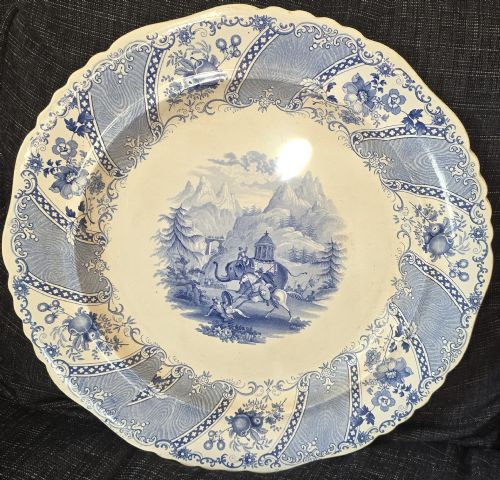
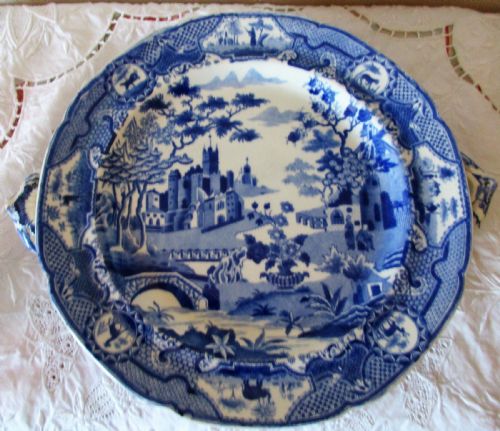
The dominant aesthetic draws upon Chinese porcelain motifs, interpreted through Georgian Chinoiserie and transfer-printed landscapes such as the Gothic Castle pattern. These items served functional roles in homes before transitioning into cabinet pieces for collectors.
Materials and Manufacturing Techniques
Makers utilised a variety of ceramic bodies, principally soft-paste porcelain, earthenware, pearlware, and ironstone, each glazed and fired with cobalt oxide to achieve the signature blue coloration. Cobalt glaze was applied either by handpainting or through transfer printing, a technique that allowed intricate scenes to be replicated onto plates and dishes.
Early porcelain pieces from factories such as Bow and Worcester relied on soft-paste compositions requiring precise kiln temperatures, while later nineteenth-century wares adopted durable ironstone and refined earthenware bodies suitable for daily household use.
Object types range from practical sauceboats and teapots to decorative plates, chestnut baskets, and custard sets.
Distinctions in Quality
Quality rests upon the crispness of the cobalt transfer or the brushwork of the handpainted details, where precise lines and deep blue saturation separate superior examples from muddied or blurred decorations. The refinement of the ceramic body itself, from translucent porcelain to heavier ironstone, dictates the delicacy and historical importance of the vessel.
Condition and completeness, such as retaining original covers on tureens or matching sets of plates, elevate individual items above single pieces with repairs or replacements. The reputation of the manufactory, from Dr Wall Worcester to regional potteries, provides an additional measure of standing.
H & R Daniel Shrewsbury·Caughley Porcelain·Derby Porcelain·Spode·Coalport·Grainger & Co Royal Worcester·Ridgway Porcelain·Minton·Crescent China
The English Blue White China Glossary
- Soft-paste porcelain
- An artificial porcelain body composed of clay, glass frit, and white sand, fired at lower temperatures than hard-paste porcelain. It is characteristic of many eighteenth-century English factories.
- Transfer printing
- A method of applying a printed design to ceramic ware by engraving a copperplate, pulling the image on tissue paper, and pressing it onto the biscuit or glazed surface before firing.
- Pearlware
- A refined earthenware developed by Josiah Wedgwood in the late eighteenth century, featuring a clear glaze with a faint bluish tint that pooled in crevices to mimic Chinese export porcelain.
- Ironstone
- A heavy, durable type of earthenware patented in the early nineteenth century by Charles Mason, designed to resist chipping and withstand rigorous dining use.
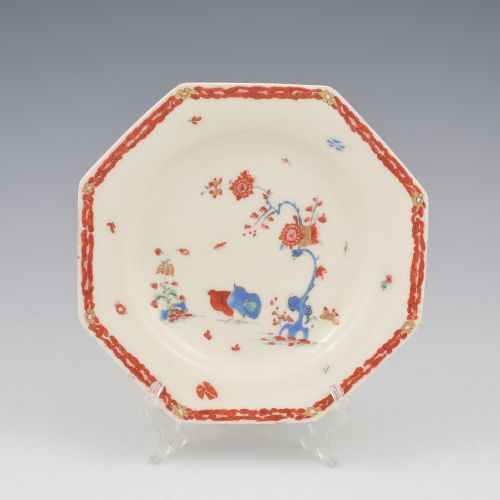
- Kakiemon
- A style of Japanese enamelling and design adopted by early English porcelain manufactories, featuring asymmetric floral and animal motifs on white porcelain.
English Blue White China: Frequently Asked Questions
How do I identify First Period Worcester?
First Period Worcester porcelain is identified by its characteristic paste, delicate potting, and often a crescent mark or script W on the base. The handpainted cobalt blue decoration typically exhibits direct inspiration from Chinese export porcelain.
Collectors look for standard forms like sparrow beak jugs, tea bowls, and square dessert dishes, which display distinct potting traits from the eighteenth century.
What is the difference between porcelain and ironstone?
Porcelain is a vitrified, often translucent ceramic body fired at high temperatures, whereas ironstone is a dense, opaque earthenware developed for durability.
Ironstone pieces like Mason's tureens and drainers are heavier and thicker, designed for heavy dining use, while porcelain pieces like Caughley pickle dishes prioritize delicacy.
How were transfer-printed plates made?
Transfer printing involved engraving a copperplate with a design, applying cobalt blue pigment, and pressing tissue paper onto the plate.
The inked paper was then transferred onto the ceramic body, allowing complex patterns like Gothic Castle or London Bridge to be replicated efficiently.
Can I use antique blue and white china daily?
Most antique blue and white pieces, particularly eighteenth-century soft-paste porcelain and fragile earthenware, are best reserved for display or careful handling. Their age, glaze crazing, and historical value make them vulnerable to modern dishwasher cycles and thermal shock.
Sturdier nineteenth-century ironstone plates can occasionally handle gentle use, though hand washing remains the safest approach.