
English Lighting
English antique lighting spans centuries of domestic illumination, from simple iron rushlights to grand chandeliers crafted in brass, bronze, and cut glass.
English Lighting
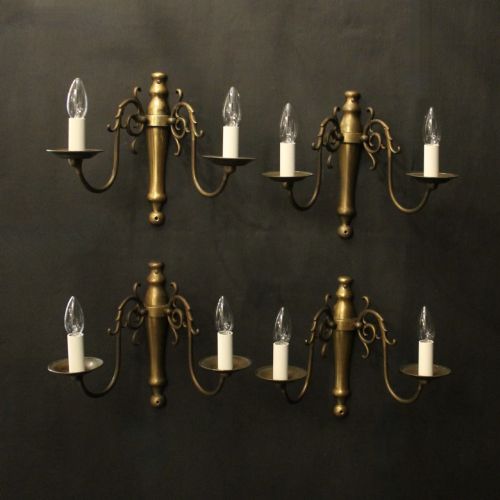
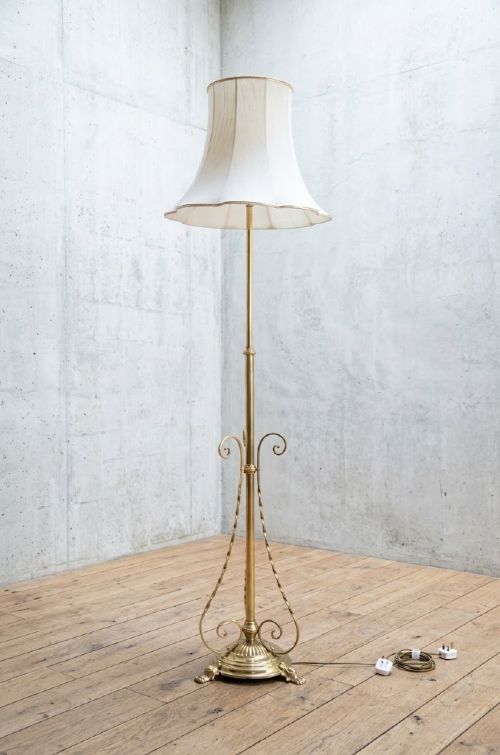
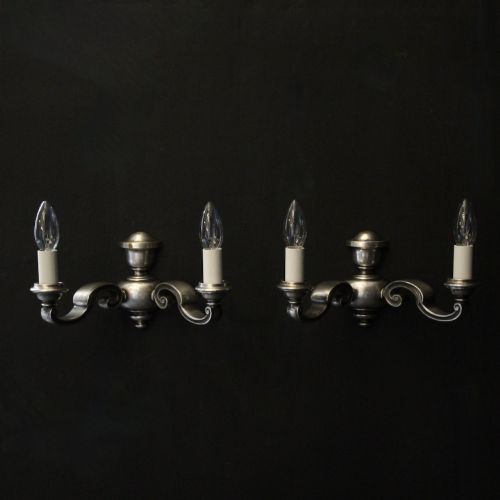
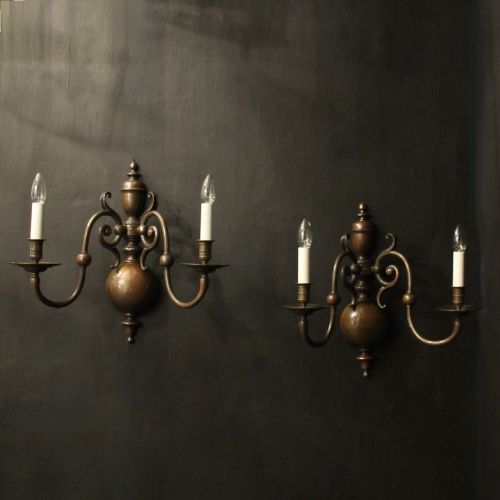
English antique lighting encompasses domestic illumination devices made across the eighteenth, nineteenth, and early twentieth centuries. The selection ranges from utilitarian brass candlesticks and iron rushlights to decorative wall lights, hall lanterns, and oil lamps.
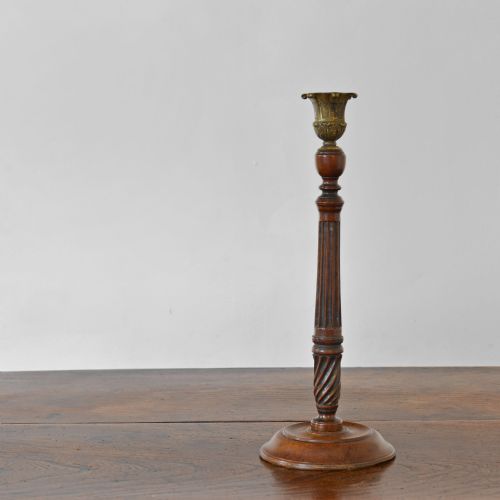
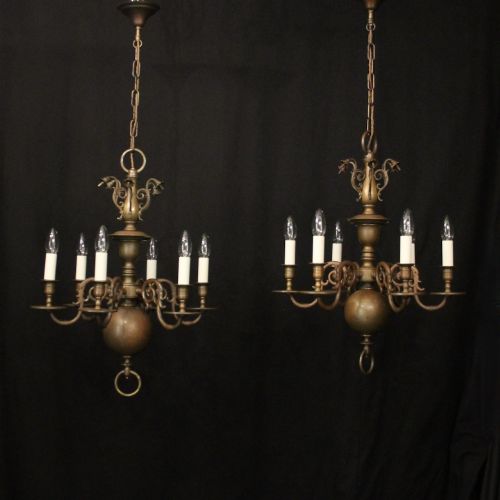
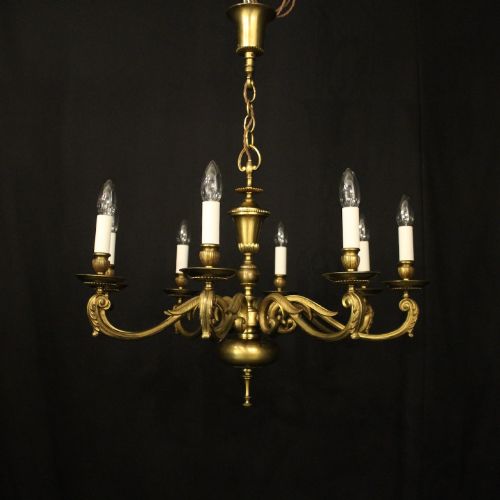
Candlesticks and chambersticks dominate the earlier centuries, while later periods introduce table lamps, floor lamps, and electrified multi-arm chandeliers. Buyers searching this phrase meet a diverse array of forms designed for both table use and room illumination.
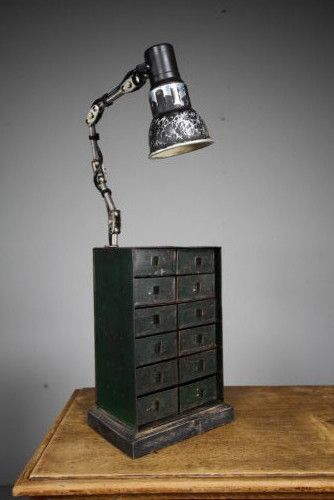
The objects reflect the shifting technology of home lighting, tracking the transition from open flame and oil to gas and electricity. Surviving pieces often show conversions where earlier candle or oil fittings were later adapted for modern electric bulbs.
Materials and construction
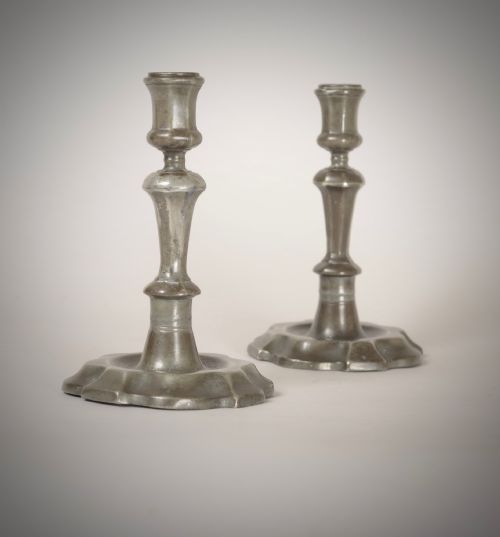
Metals form the core of these pieces, with cast and seamed brass, patinated bronze, and wrought iron appearing frequently across the centuries. Makers also utilised silver plate, pewter, and gilded mounts to elevate the status of formal table and wall lights.
Listings span multiple materials including brass, bronze, glass, iron, and pewter, originating from the eighteenth, nineteenth, and early twentieth centuries.
Factors of quality
Quality rests in the crispness of casting, the weight of the metal, and the integrity of the original form. Heavy brass and bronze castings with sharp detailing and well-defined patination stand apart from lighter, less refined production.
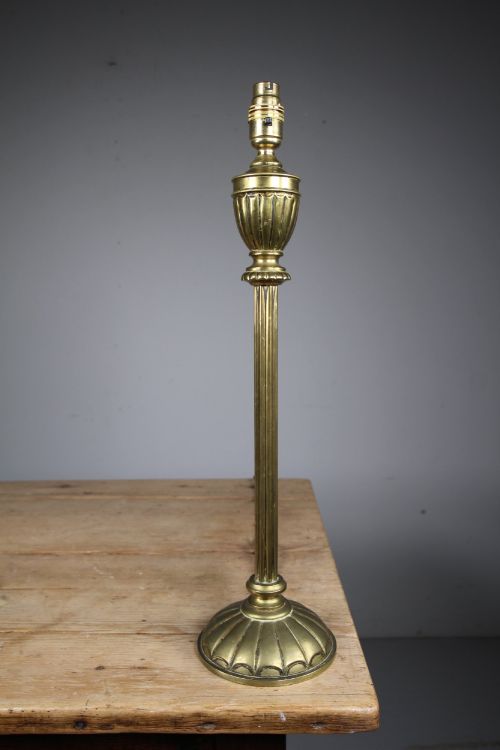
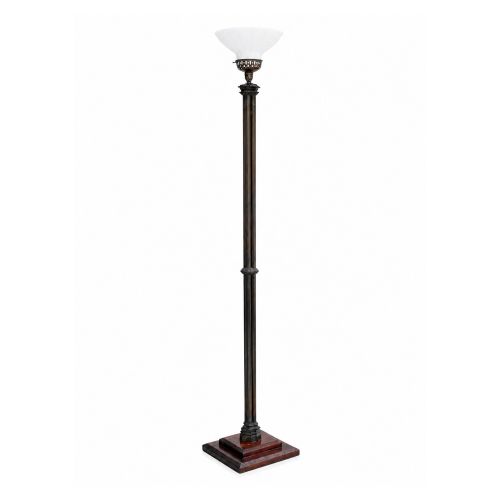
Proportion and execution define the better examples, whether in the precision of a Corinthian column or the balance of a multi-light chandelier. Original surface patinas and intact components elevate a piece far above heavily polished or mismatched assemblies.
Barr, Flight and Barr·Hinks·Maple and Co
The English Lighting Glossary
- Rushlight
- A simple holder designed to grip a dried rush dipped in animal fat for cheap illumination. These wrought iron implements date largely to the seventeenth and eighteenth centuries.
- Chamberstick
- A portable candleholder featuring a wide drip pan and a loop handle for carrying from room to room. They often include a small socket to hold a conical snuffer.
- Plafonnier
- A ceiling-mounted bowl light or flush fixture popular in the early twentieth century. These are frequently formed from moulded, cut, or frosted glass.
- Ejector candlestick
- A brass candlestick fitted with an internal sliding mechanism to push out the remaining stub of a candle. This clever device prevented wax from sticking deep inside the socket.
- Crusie lamp
- An open oil lamp, usually forged from iron or bronze, designed to burn animal fat or vegetable oil. They often feature multiple shell-shaped reservoirs to catch drips.
English Lighting: Frequently Asked Questions
How do I date an antique brass candlestick?
Dating relies on manufacturing techniques such as casting seams, base construction, and profile styles. Early pieces often show seamed construction and heavier patination compared to later nineteenth-century factory casting.
Changes in domestic fashion also dictate form, with petal bases and Corinthian columns aligning with distinct Georgian and Victorian design periods.
Were these lights converted to electricity?
Many surviving table lamps, floor lamps, and wall lights underwent rewiring during the twentieth century to accommodate modern electric bulbs. This adaptation allowed historic metalware and glass to remain functional in contemporary homes.
When evaluating a piece, look closely at how the wiring was integrated into the original structure without compromising the antique metal or ceramic body.
What is the difference between a rushlight and a candlestick?
A rushlight grips a dried rush stem soaked in fat, providing a basic, low-intensity flame utilised in simpler rural settings. A candlestick holds a manufactured wax or tallow candle, which represented a cleaner and costlier form of light.
Candlesticks typically used durable metals like brass or pewter, whereas rushlights relied almost entirely on forged iron.