


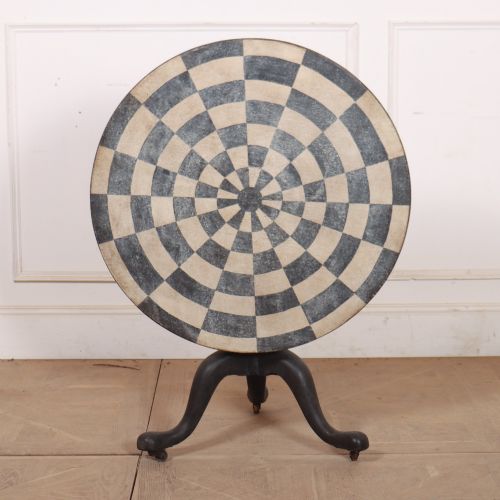
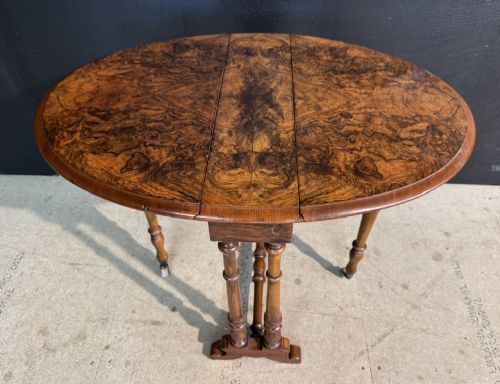
English Accent Table
An English accent table brings centuries of domestic utility to a room, offering compact surfaces crafted from native timbers like oak and mahogany.
English Accent Table
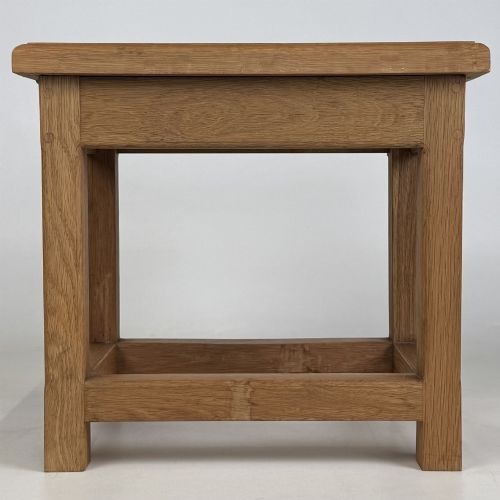
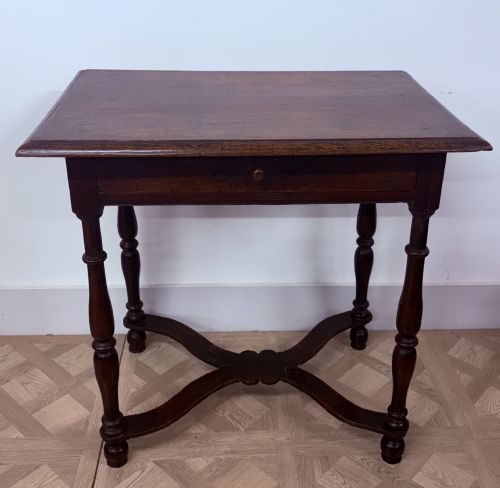
An English accent table encompasses smaller auxiliary furniture pieces designed for functional versatility in domestic spaces. The selection on this page centres on occasional tables, side tables, cricket tables, and drop leaf tables originating from the 17th century through to the 20th century.
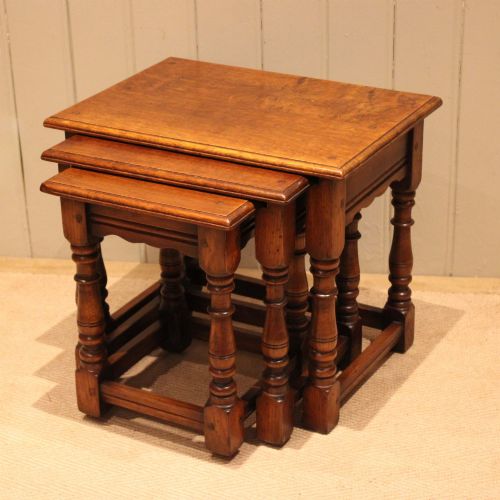
Early examples include sturdy oak side tables and cricket tables dating from the 17th and 18th centuries, often featuring turned legs and provincial joint construction. Later iterations span the Georgian, Victorian, and Edwardian eras, incorporating mahogany, walnut, and yew wood into tripod tables and nest of tables.
Buyers seeking an English accent table encounter a broad spectrum of stylistic influences, from plain William and Mary provincial forms to ornate Chippendale taste and Sheraton period chinoiserie. These items function effectively beside seating or in hallways, fulfilling the exact utilitarian purpose they served centuries ago.
Materials and construction
Makers relied heavily on native hardwoods, primarily employing solid oak for early pieces, alongside mahogany, walnut, elm, fruit wood, and yew wood for later designs. Timber selection dictated the structural integrity, with dense grain supporting intricate carving and slender tripod columns.
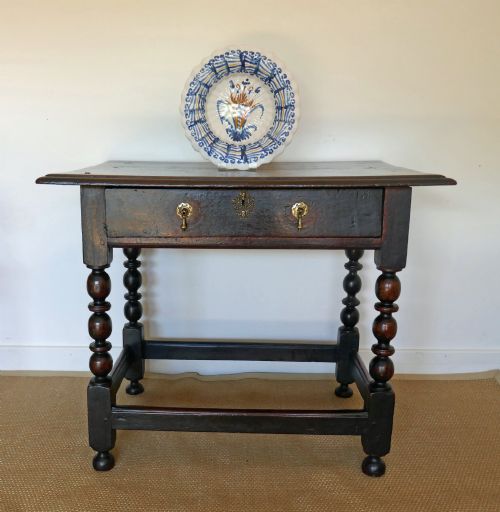
Joinery methods reflect the period of origin, utilising pegged joints in 17th-century oak side tables and dovetail techniques in Georgian drawer construction. Surfaces frequently display polished finishes or period paint, while specific forms incorporate brass hardware, leather tops, and inlaid details.
Listings span eight distinct periods, from the 17th century through the Edwardian era, featuring oak, mahogany, walnut, and paint.
Assessing craftsmanship
Quality rests in the integrity of the timber and the honesty of the construction, distinguishing provincial utility items from sophisticated urban commissions. Superior pieces maintain their original tops, uncompromised structural joints, and deep patination accumulated through decades of use.
Proportion and restraint separate standard examples from exceptional ones, particularly in turned elements like barley twists or slender tripod columns. The handling of secondary woods and the crispness of carved details, such as pie crust edges or drawer fronts, reveal the proficiency of the maker.
Garrard and Co·Waring and Gillow
The English Accent Table Glossary
- Cricket table
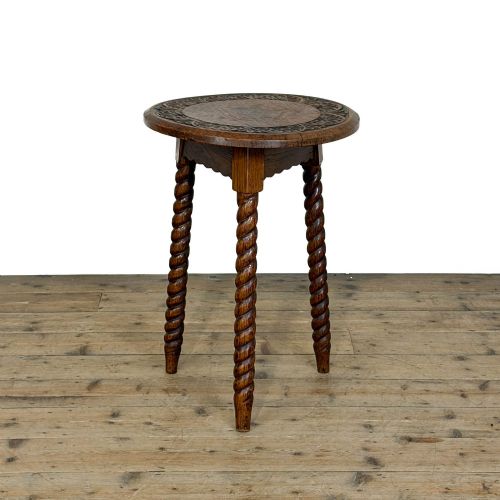
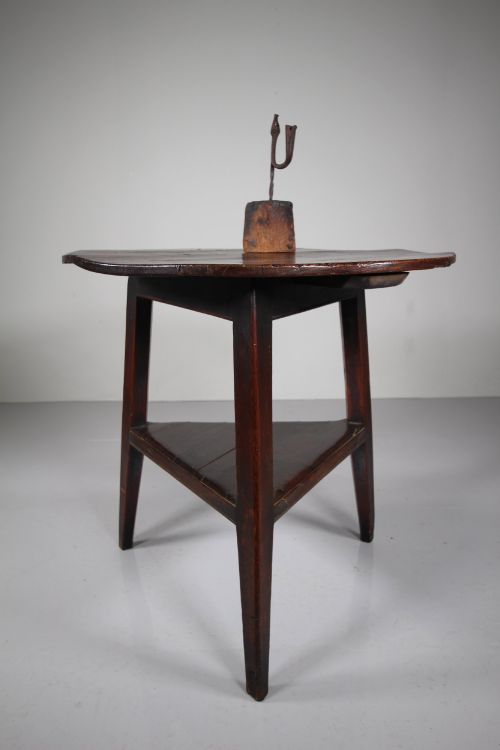
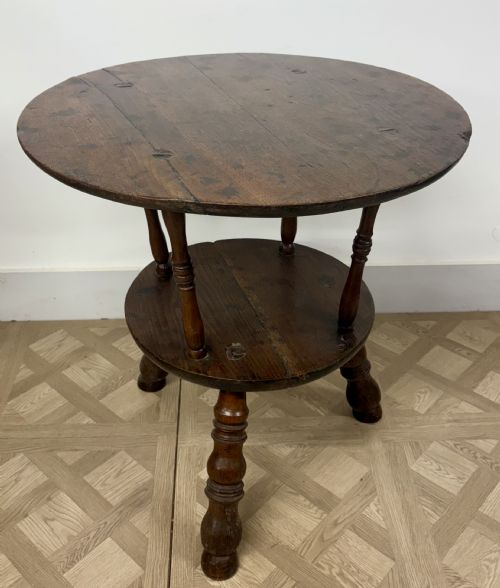
- A small three-legged occasional table originating in the 18th century, traditionally constructed with a round wooden top and splayed legs for stability on uneven floors.
- Lowboy
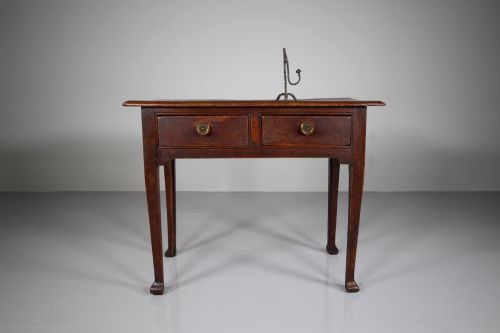
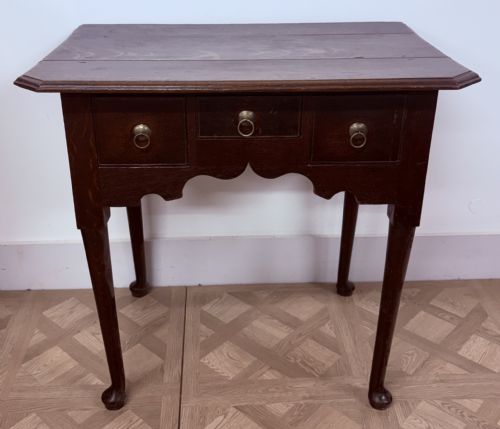
- A small kneehole dressing table or side table with one or more drawers, typically dating from the 18th century and elevated on slender cabriole or straight legs.
- Gateleg table
- A drop leaf table where the hinged leaves are supported by swing legs that pull out like a gate to hold the surface firm.
- Pie crust table
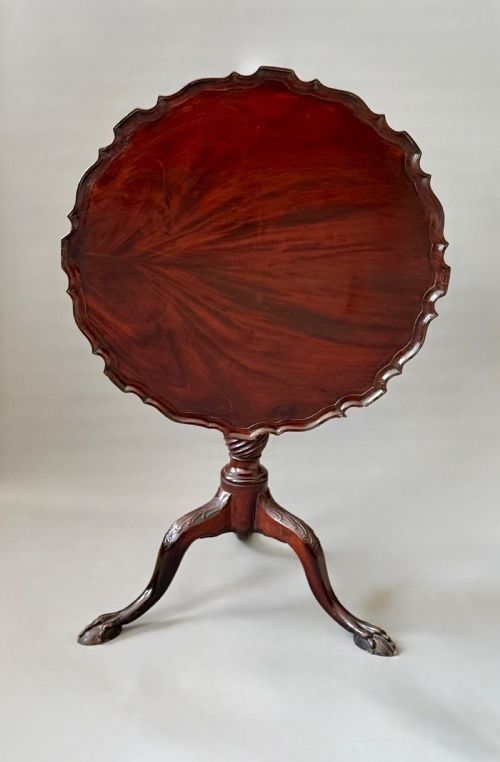
- A small occasional table featuring a raised, carved, and scalloped rim resembling the decorative edge of a pastry crust.
- Tripod table
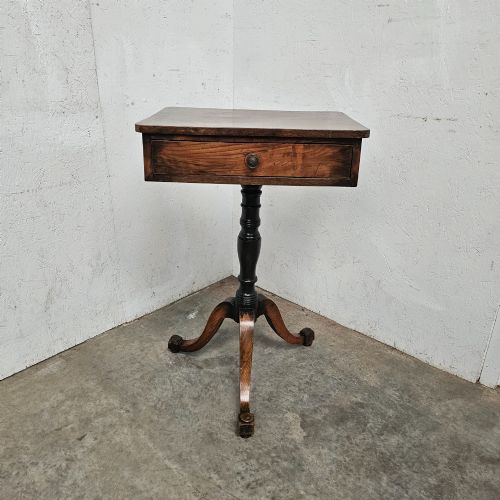
- A freestanding table supported by a single central pillar resting on three spreading feet, often designed with a tilt-top mechanism.
- Joint stool
- A sturdy wooden stool built with mortise and tenon joints, commonly used for seating or as a low auxiliary surface in early domestic interiors.
English Accent Table: Frequently Asked Questions
What is a cricket table?
A cricket table is a traditional three-legged occasional table dating primarily from the 18th century, designed with a circular wooden top. The three splayed legs ensured stability on uneven farmhouse floors.
These pieces typically utilise solid oak or elm and serve today as compact lamp or side tables in traditional interiors.
How do I date an oak side table?
Dating an oak side table involves examining the joinery, timber colour, and hardware used in its construction. 17th-century examples often feature pegged mortise and tenon joints with heavy mouldings.
Later Georgian and Victorian interpretations adopt more refined proportions, machine-sawn timber elements, and different drawer construction methods.
Where should I place an accent table?
An accent table functions effectively beside armchairs, sofas, or in narrow hallways where surface space is limited. Their modest footprint allows them to fit into awkward corners.
Pairing a vintage timber table with contemporary seating creates a striking contrast that highlights the age and grain of the wood.