


Enamelled Vessel
An enamelled vessel brings colour and texture to a room, uniting metallic wire, glass or ceramic with vibrant fused pigments.
Enamelled Vessel
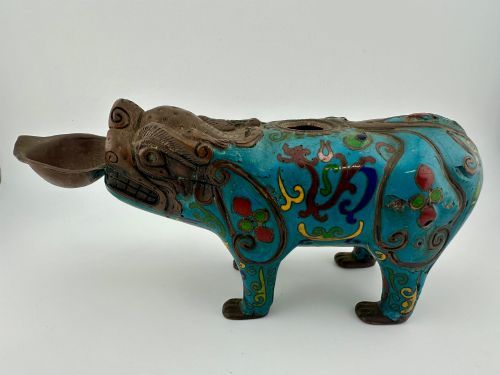
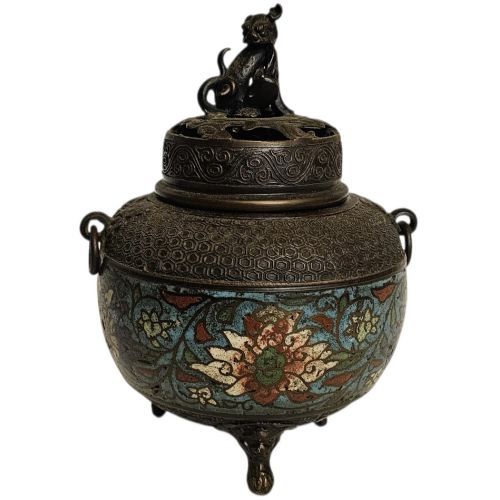
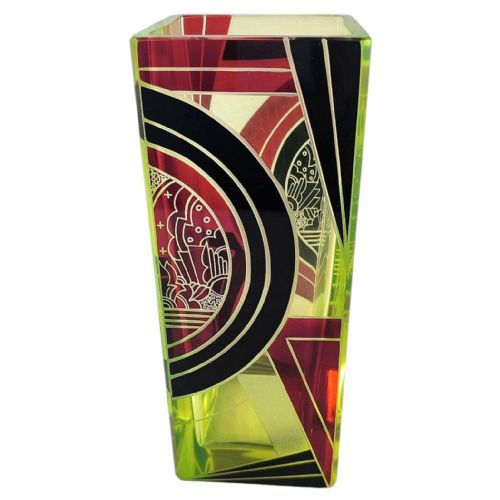
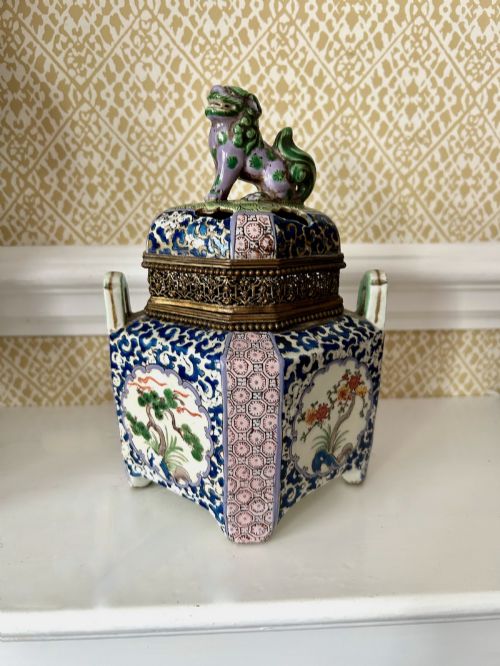
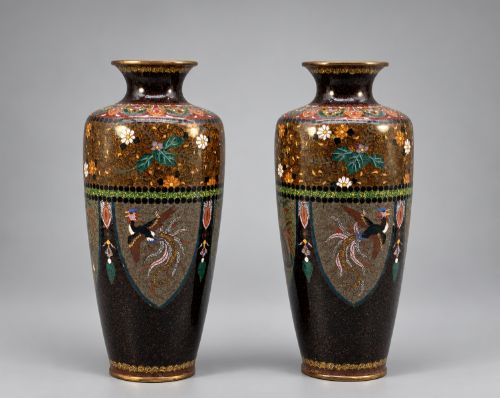
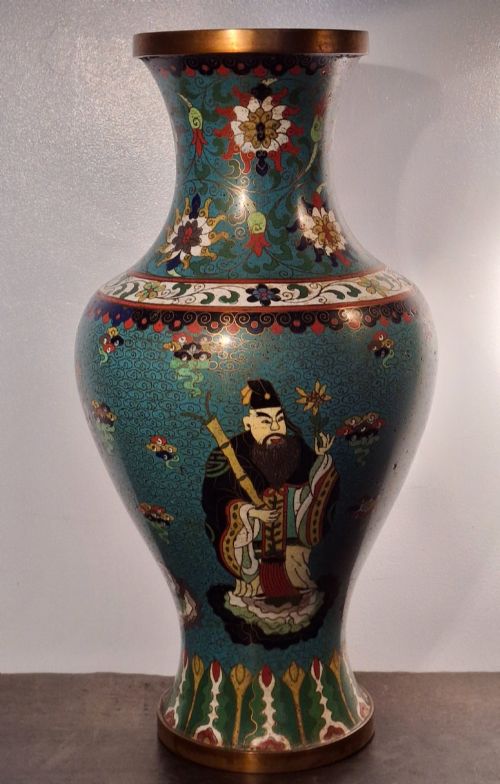
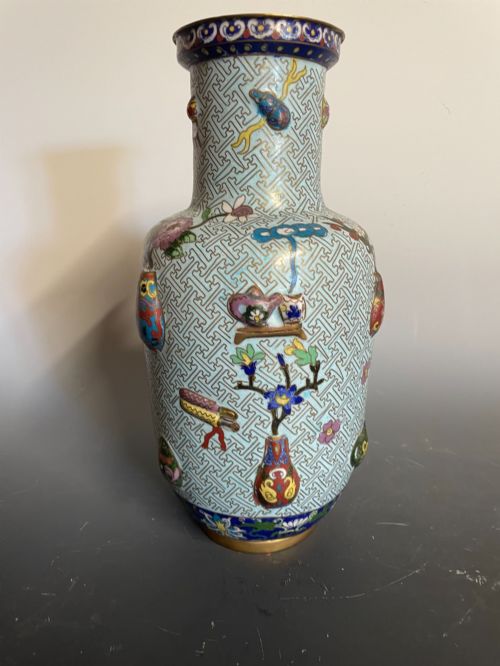
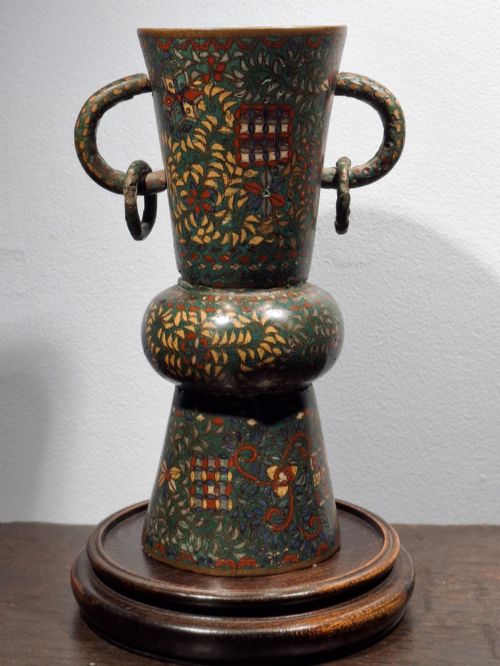
When searching for an enamelled vessel, collectors encounter a diverse group of objects spanning vases, incense burners, jars, bowls and water pots. These items originate primarily from Asian workshops and European glasshouses, reflecting varied traditions of metalwork and ceramic decoration.
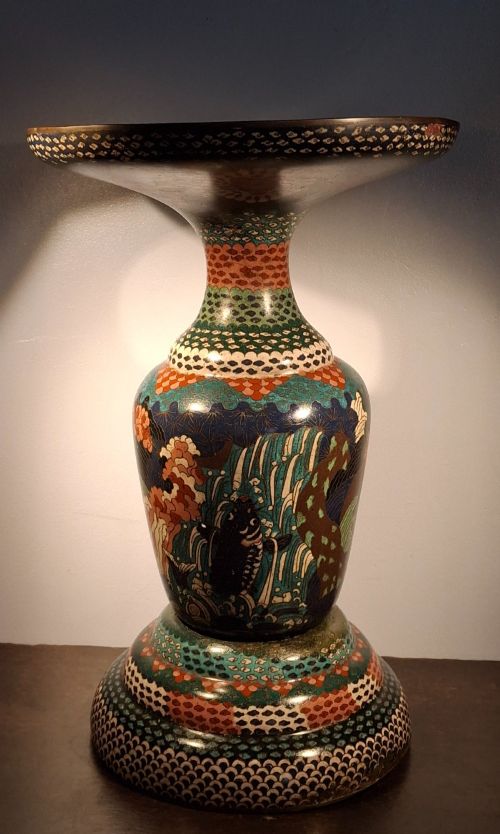
The selection on this page relies heavily on Japanese Meiji period cloisonné, Chinese Qing dynasty bronzes and porcelains, and European glass from the nineteenth and twentieth centuries. Forms range from miniature ritual vessels to large scale jardinieres and decorative urns.
Buyers will find that Chinese cloisonné and Japanese examples dominate the offerings, alongside French cameo glass and English or continental decorative pieces. Each object serves primarily as a display piece or a container rooted in functional traditions.
How they were made
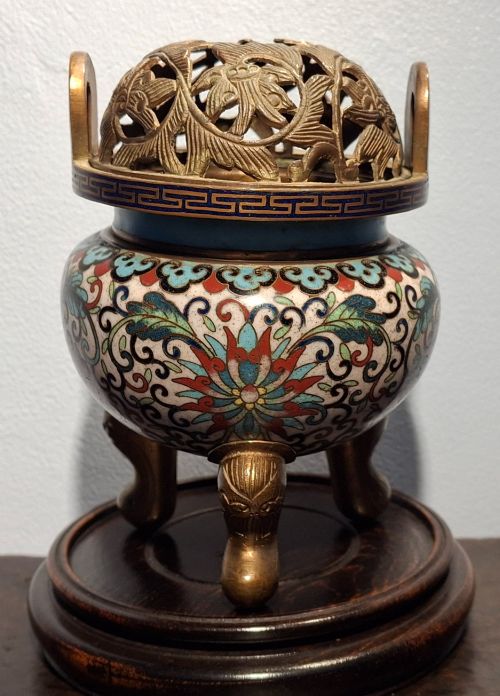
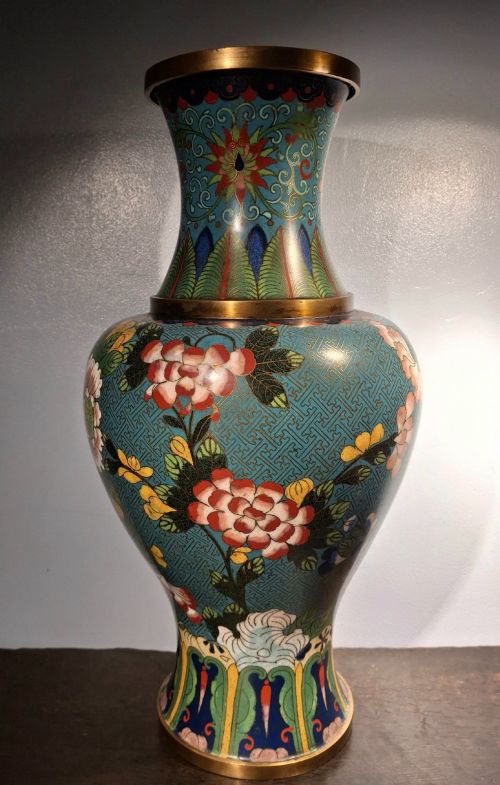
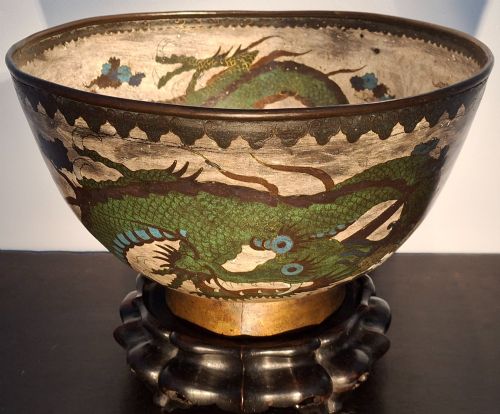
Many metal vessels use cloisonné or champlevé techniques, where thin copper or bronze wires form cells or depressions that receive coloured enamel pastes before firing. Japanese and Chinese artisans perfected these metallic methods to create intricate surface patterns featuring flowers, birds and dragons.
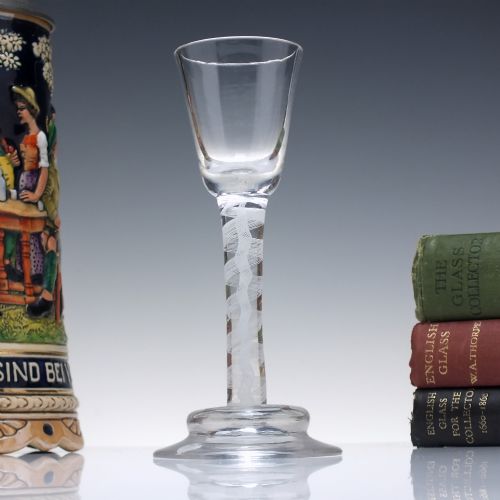
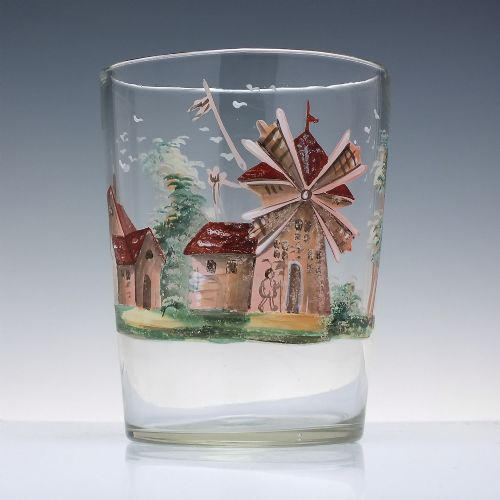
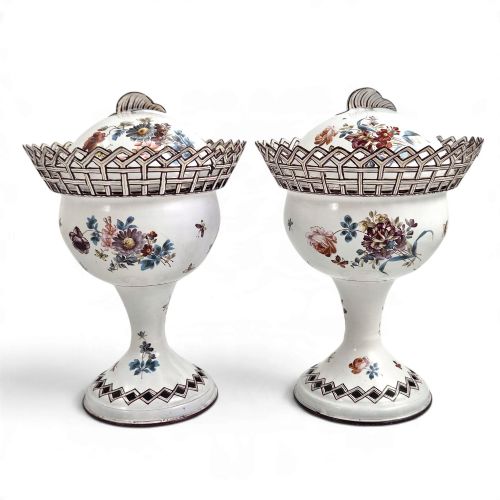
Glass vessels utilise cameo carving or painted enamel decoration upon coloured grounds, as demonstrated by European makers applying heat to fuse pigments directly to the surface. Porcelain and pottery pieces combine hand-painted enamel-on-copper or ceramic glazes fired at high temperatures to achieve lasting brilliance.
Enamelled Vessel Retail Price Guide 2026
Typical asking prices for enamelled vessel among the pieces listed under this phrase on Sellingantiques today, from the lower quarter to the upper quarter. They describe what is for sale here now, not the wider market.
Listings incorporate items from the eighteenth, nineteenth and twentieth centuries, spanning the Qing dynasty and the Meiji period.
What varies in quality
The fineness of the metal wirework and the precision of the enamel fill determine the standard of a cloisonné vessel. Superior pieces exhibit tight, uniform cells without pitting or discoloration in the fused glass paste.
Artistic execution dictates the worth of painted glass and porcelain examples, where delicate brushwork and balanced compositions separate standard production wares from masterwork pieces. The weight of the metal base and the complexity of the design further distinguish finer examples.
Tsukamoto Hikokichi·Daum Freres·Kralik Glass
The Enamelled Vessel Glossary
- Cloisonne Enamel
- A decorative metalwork technique where flat wires are soldered to a base to form compartments filled with enamel paste. These wires remain visible on the finished surface.
- Champleve Enamel
- A method where troughs or cells are carved directly into a metal surface and filled with enamel before firing. This technique leaves thicker metal partitions than cloisonné.
- Cameo Glass
- Glass vessels formed by fusing two or more distinct layers of colour, then carving away the outer layer to create a raised design. French glassmakers utilised this method extensively.
- Tole Peinte
- Painted tin or metalware popular in European decorative arts. Artisans applied enamel paints over a lacquered metal base to mimic porcelain.
Enamelled Vessel: Frequently Asked Questions
What is an enamelled vessel?
An enamelled vessel is any container, such as a vase, bowl or jar, decorated with fused glass powder applied to metal, ceramic or glass bases.
These pieces utilise heat to bond the vitreous enamel to the substrate, creating durable and colourful surfaces.
How do I date a cloisonne piece?
Dating relies on examining the weight of the metal, the brightness of the enamel colours, and the style of the decorative motifs.
Earlier pieces often feature heavier bronze bases and softer, more subdued colour palettes compared to later manufacturing.
How should I clean my vessel?
Dusting gently with a soft, dry cloth is usually sufficient for maintaining the surface of metal and glass pieces.
Harsh chemical cleaners or abrasive materials must be avoided to prevent scratching the delicate enamel or metal patina.
Where were these vessels made?
The listings feature pieces originating primarily from China and Japan, alongside European centres such as France and England.
Asian pieces frequently highlight imperial or export traditions, while European items showcase regional glass and metalwork.