


Enamelled Ceramic Figurines
These enamelled ceramic figurines bring together centuries of glaze and pigment across diverse global traditions, offering instant character to a mantelpiece.
Enamelled Ceramic Figurines
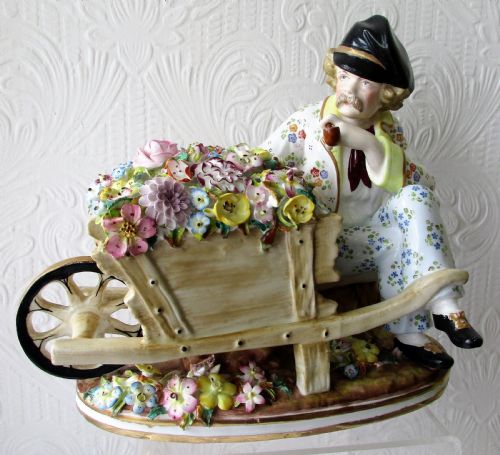
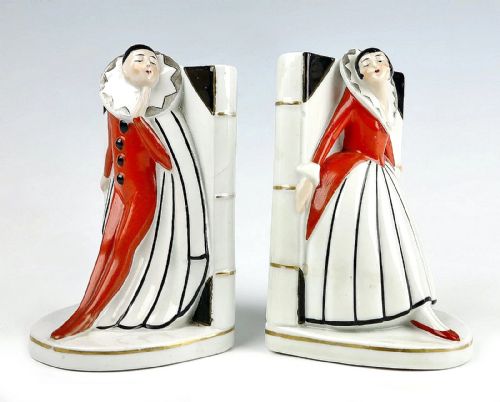
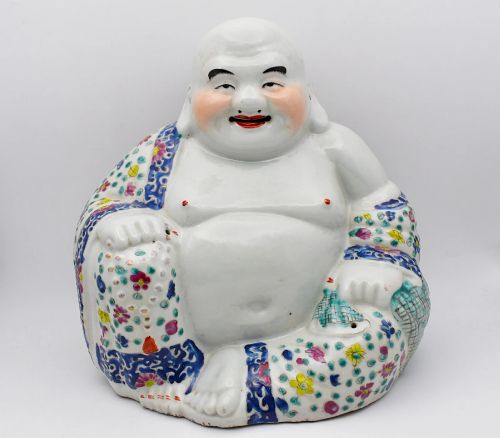
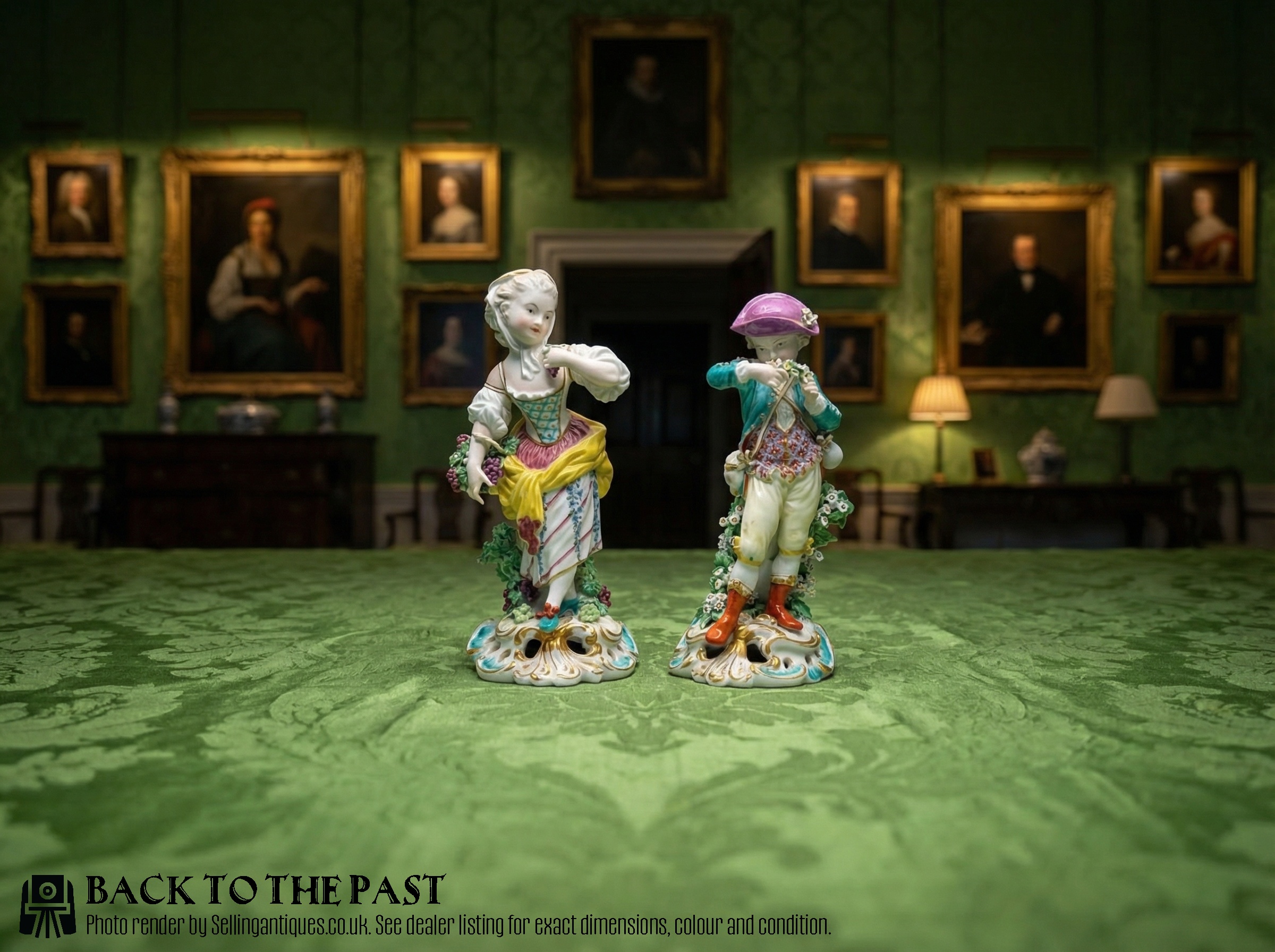
Enamelled ceramic figurines span multiple periods, from eighteenth-century English soft-paste porcelain figures of the four continents and milkmen to twentieth-century Art Deco bookends and Chinese Republic period deities.
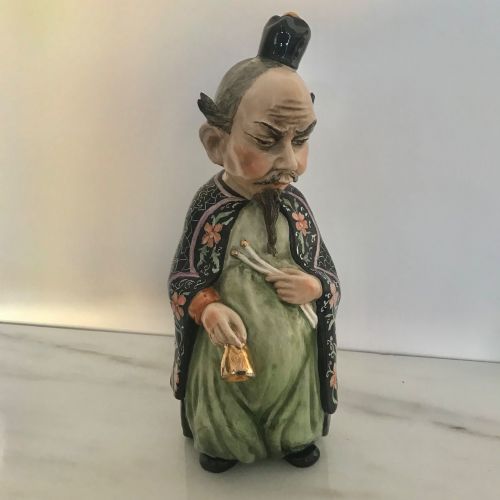
Buyers will encounter various forms on this page, including traditional figures such as Kannon, Budai, and Jurojin alongside European salon groups and pair figures representing seasonal allegories like Autumn and Spring.
The selection ranges across distinct cultural aesthetics, taking in Meiji and Taisho period Kutani wares, Qing dynasty Foo dogs, and nineteenth-century English factories such as Derby and Royal Worcester.
Materials and production methods
Makers utilised hard-paste porcelain, soft-paste porcelain, and standard ceramic bodies as foundations, often building complex sculptural groups and individual statues.
Kiln firing set the ceramic forms before skilled painters applied meticulous hand enamel decoration, capturing fine details on figures ranging from mythological deities to literary characters.
Listings feature hard-paste porcelain, soft-paste porcelain, ceramic bodies, and gold leaf.
Assessing quality and craftsmanship
Quality rests in the precision of the modelling and the crispness of the porcelain form, distinguishing master factory output from simpler regional production.
The depth and application of the enamel decoration dictate visual success, with superior pieces showing controlled brushwork, vibrant palettes, and carefully integrated gold leaf details.
The sophistication of the stylistic execution - whether capturing the fluid drapery of a Meiji period deity or the elaborate costumes of European salon groups - separates standard examples from exceptional ones.
John Bevington·Royal Dux·Royal Worcester·Volkstedt
The Enamelled Ceramic Figurines Glossary
- Soft-paste porcelain
- An artificial ceramic paste fired at lower temperatures than hard-paste porcelain, common in eighteenth-century European factories. It often displays a warm, slightly creamy body and rich glaze absorption.
- Overglaze enamel
- Pigments applied on top of a fired glaze and subjected to a lower second firing to fuse them to the surface. This technique allows for bright, varied colour palettes on finished porcelain.
- Hard-paste porcelain
- A true porcelain composed of kaolin and petuntse, fired at high temperatures to create a dense, vitrified body. It resists scratching and presents a bright, clean white ground.
- Kutani
- Japanese porcelain and pottery associated with specific regional kilns, noted for bold pictorial designs and heavy enamel work. Figures from this tradition often depict deities and cultural icons.
- Famille rose
- A major palette of Chinese ceramic enamels introduced in the Qing dynasty, dominated by opaque pink or rose colours. This style permits subtle tonal gradations in figure robes and floral motifs.
Enamelled Ceramic Figurines: Frequently Asked Questions
What periods do these figurines cover?
The selection spans from eighteenth-century Georgian and Qianlong period pieces through nineteenth-century Victorian and Meiji creations up to early twentieth-century Art Deco items.
This broad chronological spread includes works from diverse European factories and Asian ceramic traditions.
How were these figures displayed originally?
Many European examples formed part of larger decorative sets, such as allegorical representations of the seasons or the four continents, meant for formal tabletops and mantelpieces.
Asian figures of deities and immortals often served as auspicious household objects placed in domestic interiors for protection and good fortune.
How do I care for enamelled ceramic pieces?
Dust the figurines gently with a soft, dry brush to prevent accumulation in the crevices of the modelling and around delicate enamel work.
Avoid using liquid cleaners or harsh chemicals, which can damage overglaze enamel pigments and delicate applications of gold leaf.
How can I tell European pieces from Asian ones?
European pieces often reflect classical, Rococo, or Victorian aesthetic revivals, frequently depicting human allegories, literary characters, or European pastoral workers.
Asian examples typically portray specific cultural deities, immortals, or guardian figures such as Foo dogs, executed in distinct regional styles like Kutani or Chinese famille rose.