




Embroidered Seat Chairs
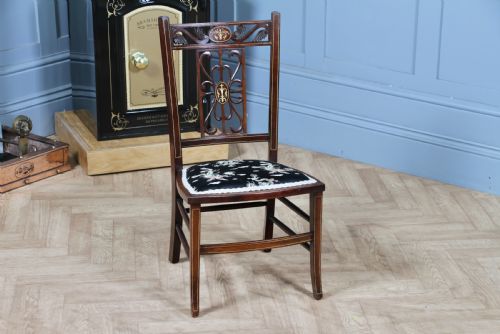
Embroidered seat chairs bring rich textile art to traditional woodwork, offering both historical depth and tactile comfort.
Embroidered Seat Chairs
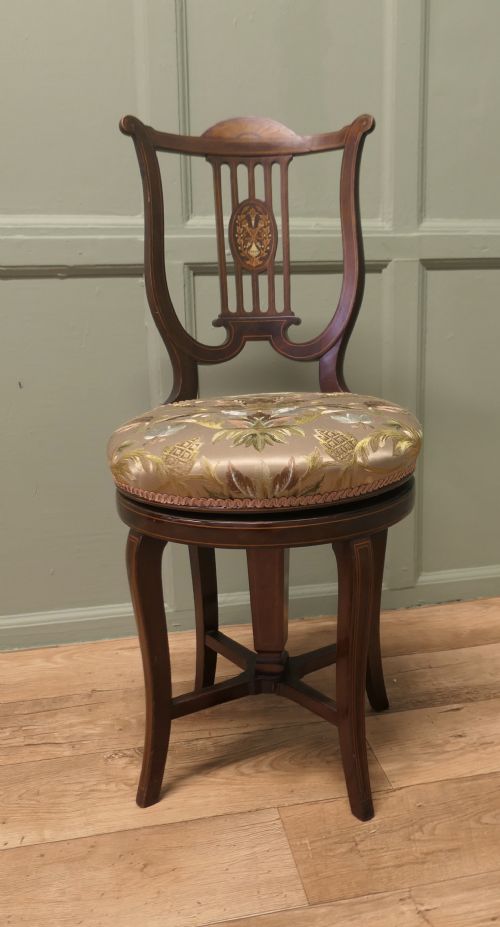
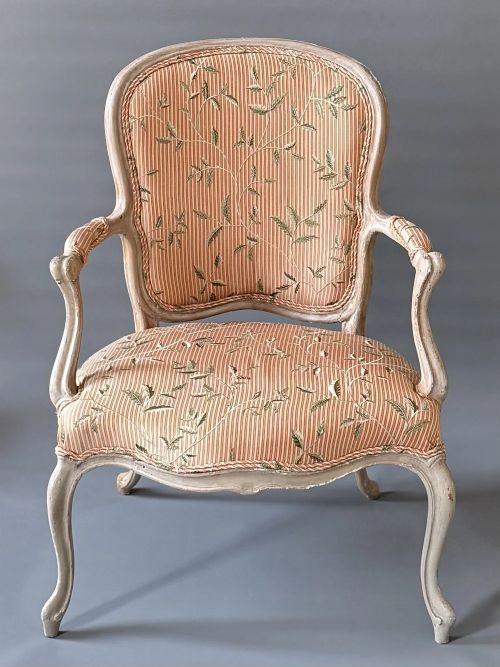
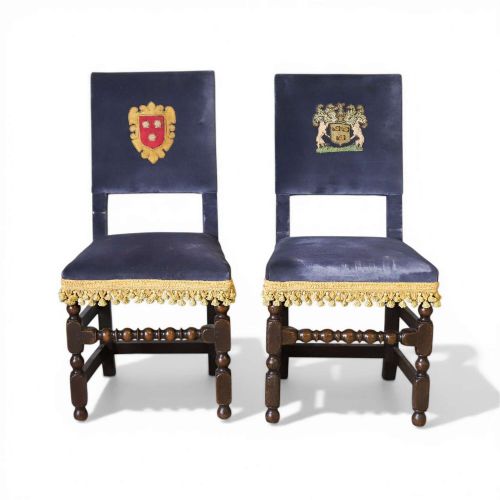
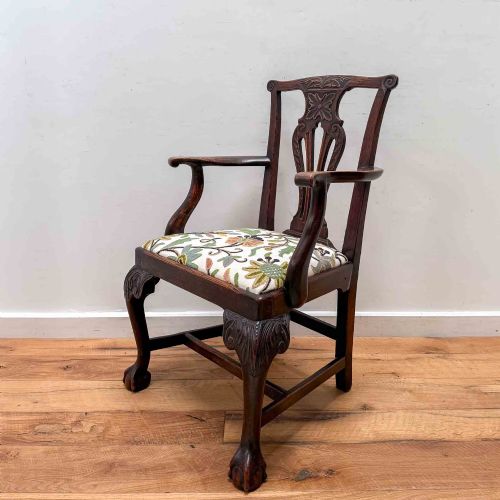
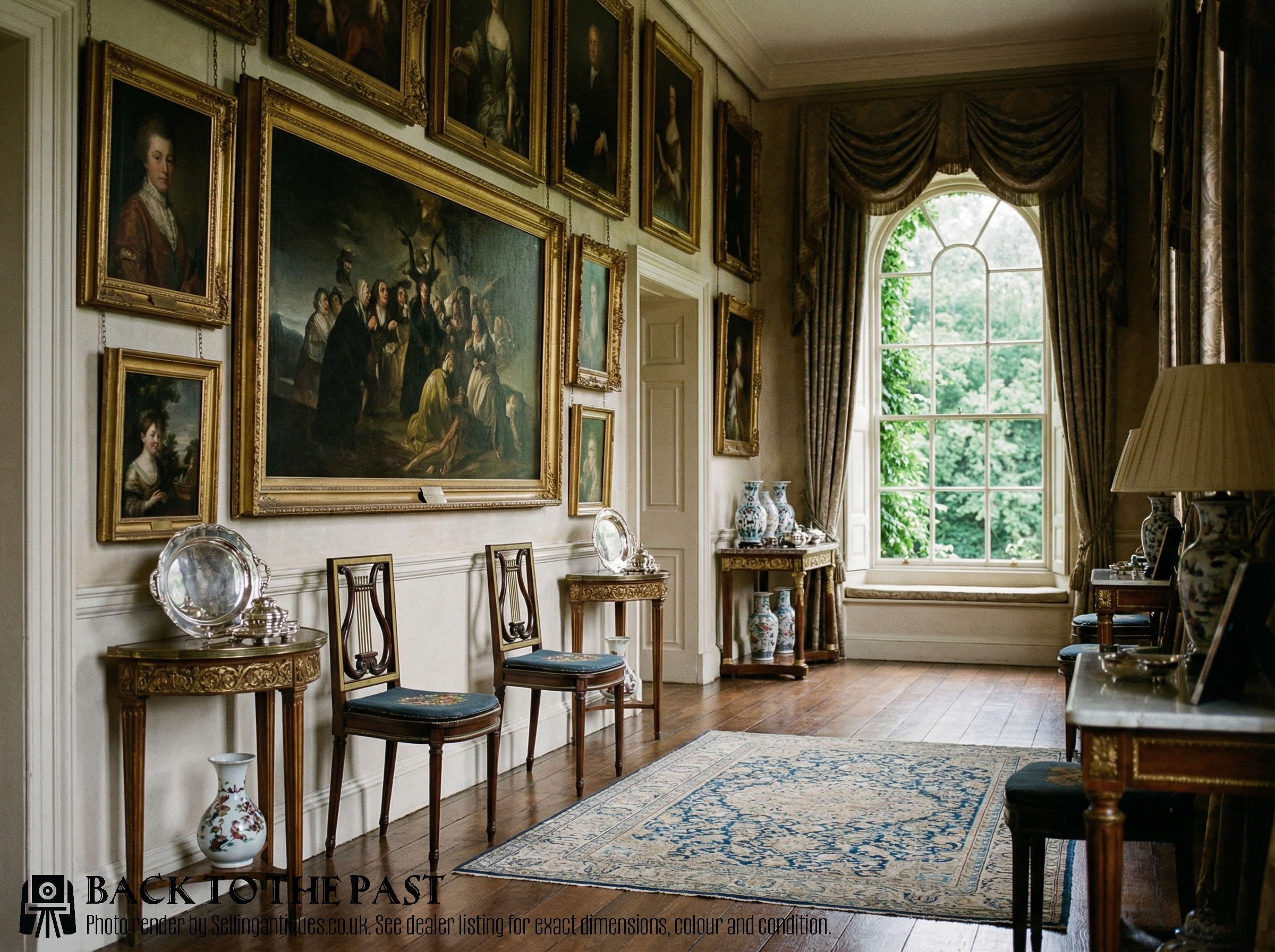
Embroidered seat chairs combine timber frames with needlework textiles, appearing across periods from the seventeenth century through to the Edwardian era. When you search for embroidered seat chairs, you encounter diverse forms ranging from dining chairs and armchairs to music chairs, stools, and side chairs.
The frames span multiple stylistic traditions including Georgian, Regency, Victorian, and French Provincial designs. Walnut, mahogany, and oak form the structural wooden bases that support the textile panels.
Upholstery formats vary from classical tapestry and needlepoint to crewel work and silk. These pieces served functional roles in halls, morning rooms, and dining spaces, bridging decorative textile arts with practical seating.
What varies in quality
The refinement of the timber carving and the density of the joinery set the structural baseline for each piece. Selected woods like figured mahogany or walnut display superior grain definition and strength.
The intricacy and execution of the needlework dictate the aesthetic tier of the textile component. Tightly worked tapestry and needlepoint panels indicate greater time investment and skill than simpler fabric coverings.
Listings feature frames spanning from the seventeenth century through to the Edwardian period, utilising mahogany, walnut, and oak.
The Embroidered Seat Chairs Glossary
- Needlepoint
- A type of canvas work embroidery stitched with wool or silk threads to create dense, pictorial patterns.
- Tapestry
- A form of textile art woven on a loom or worked by hand to depict figurative or decorative scenes.
- Crewel work
- Embroidery executed with wool yarn on a plain woven fabric base, traditionally using varied traditional stitches.
- Side chair
- A small, lightweight chair without arms designed primarily for dining or occasional placement.
- Prie Dieu chair
- A devotional chair featuring a low seat and an upper rest designed for kneeling and prayer.
Embroidered Seat Chairs: Frequently Asked Questions
How do I clean embroidered chair seats?
Textile seats require gentle surface cleaning to protect delicate wool and silk threads from degradation.
Professional textile conservation methods help preserve historic needlework without damaging the underlying wooden frame.
Are these chairs suitable for daily use?
Many sturdy forms like dining chairs and armchairs handle regular seating when handled with reasonable care.
Softer antique textiles benefit from lighter usage to prevent excessive wear on historic needlepoint and tapestry panels.
What woods were commonly used?
Cabinet makers utilised dense hardwoods including mahogany, walnut, and oak to build durable chair frames.
These timbers supported intricate carvings and provided stable foundations for the upholstered textile inserts.
How do I identify the period?
Stylistic indicators such as carved woodwork details, frame silhouettes, and specific upholstery methods point toward distinct eras.
Comparing structural forms against Georgian, Victorian, or Edwardian designs clarifies the approximate date of manufacture.