

Elm Wood Armchair
An elm wood armchair brings the warmth of vernacular English country and regional seating into a room.
Elm Wood Armchair
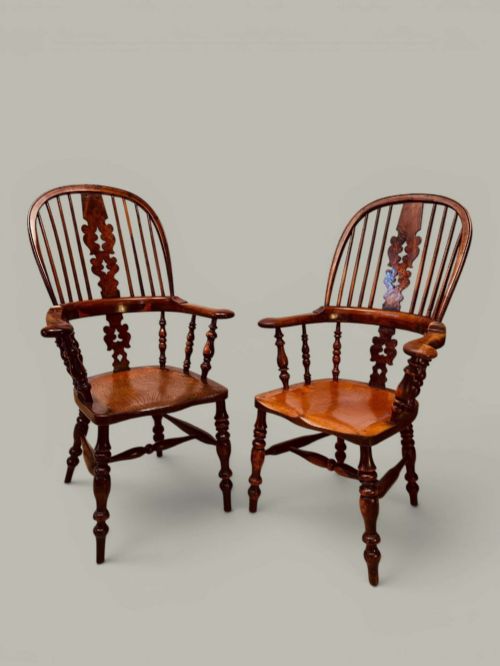
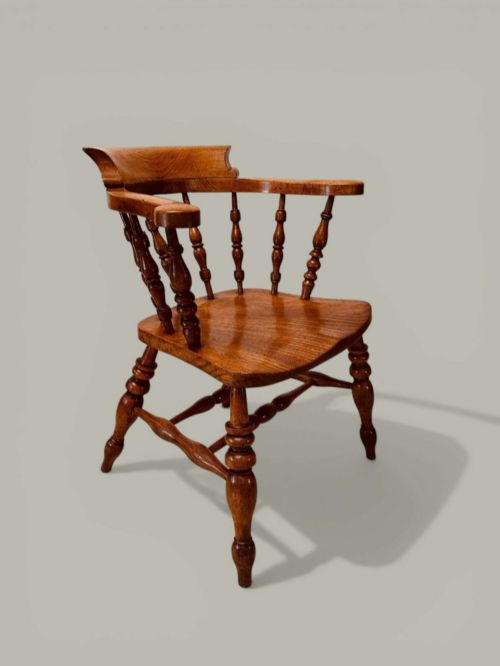
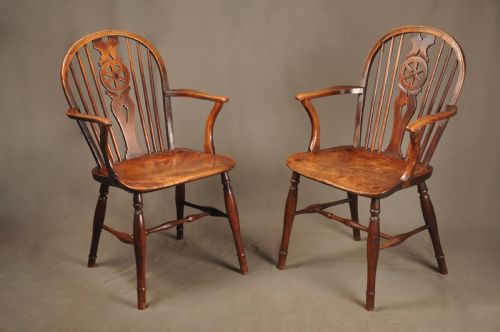
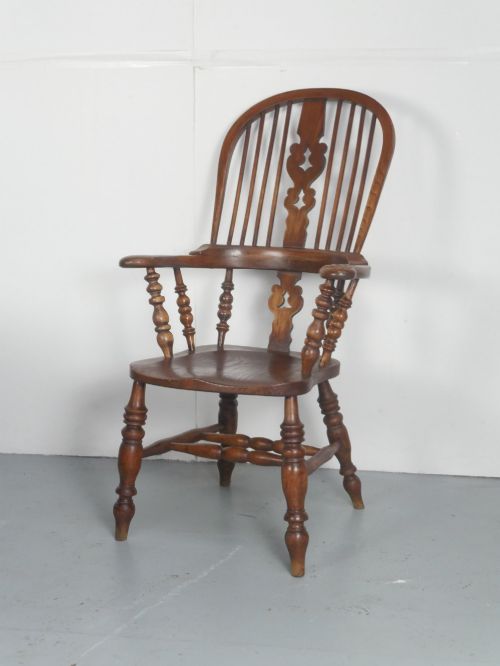
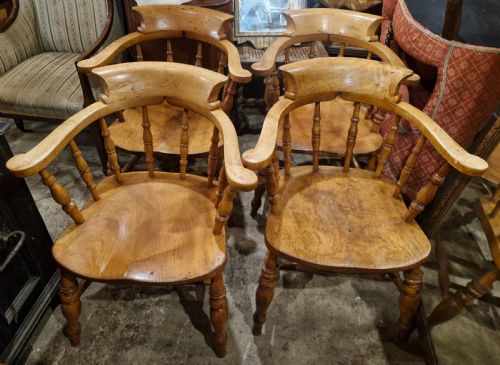
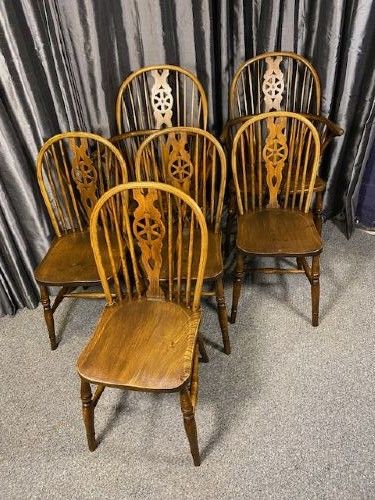
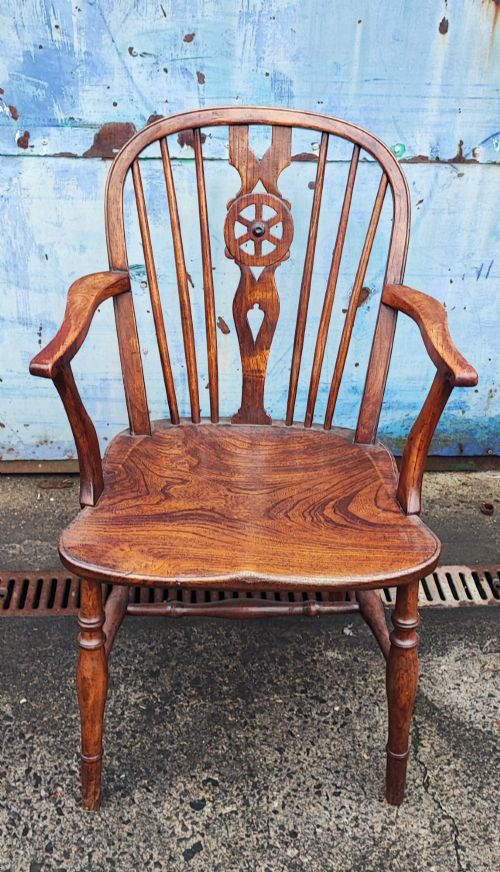
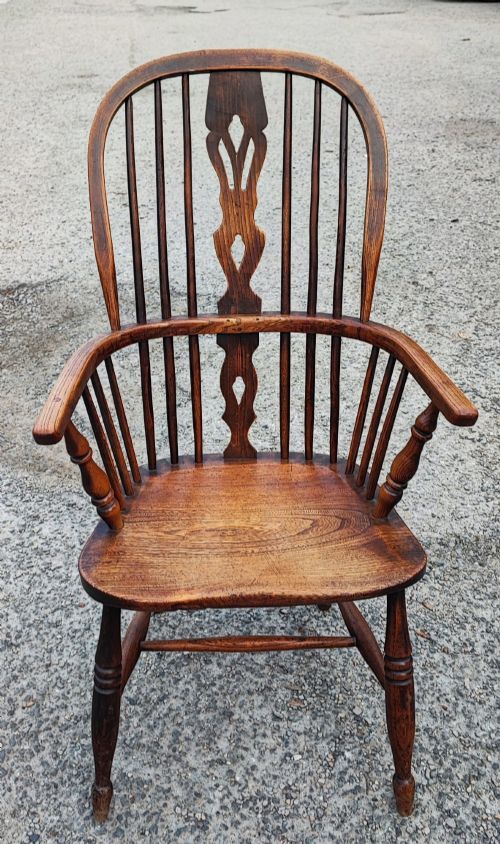
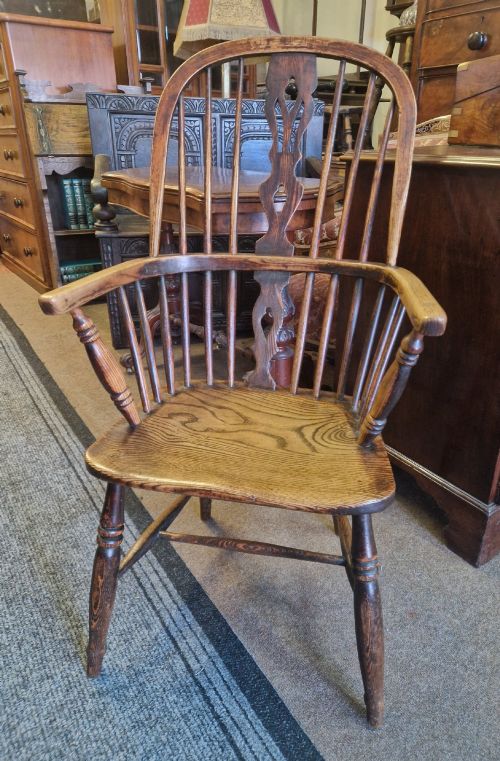
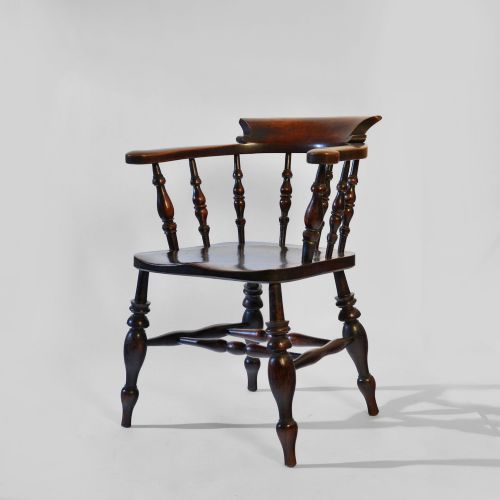
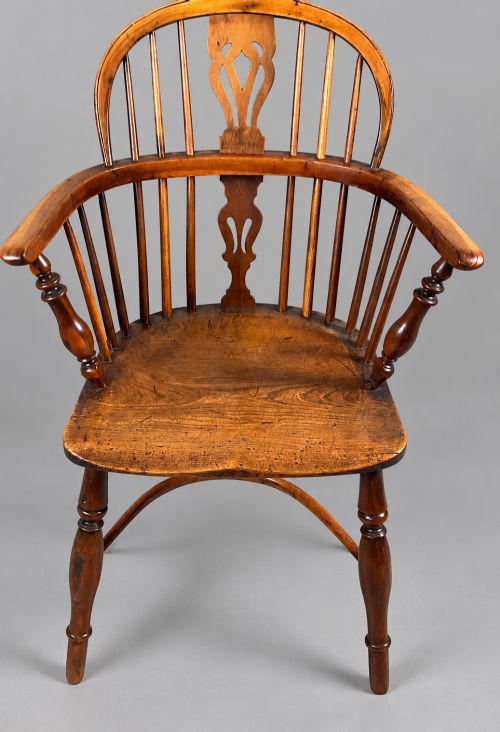
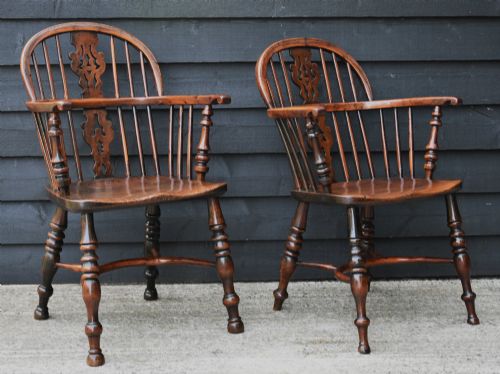
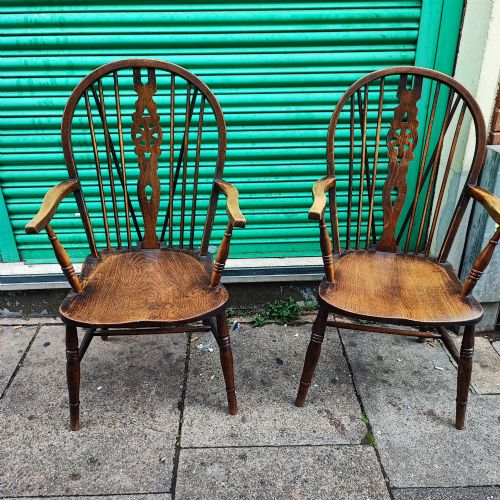
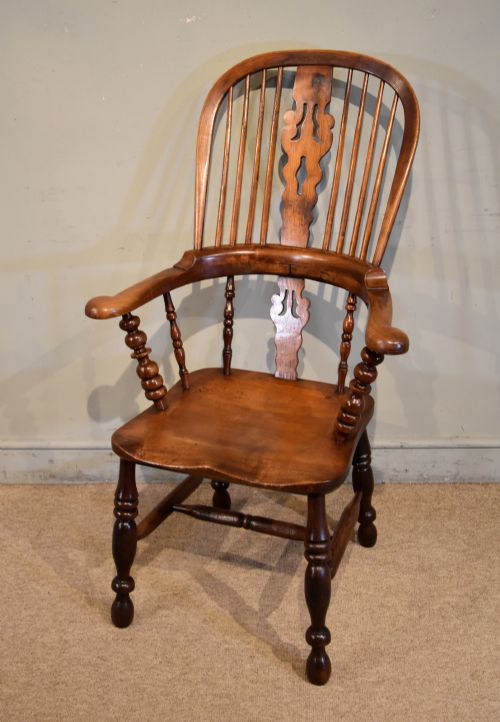
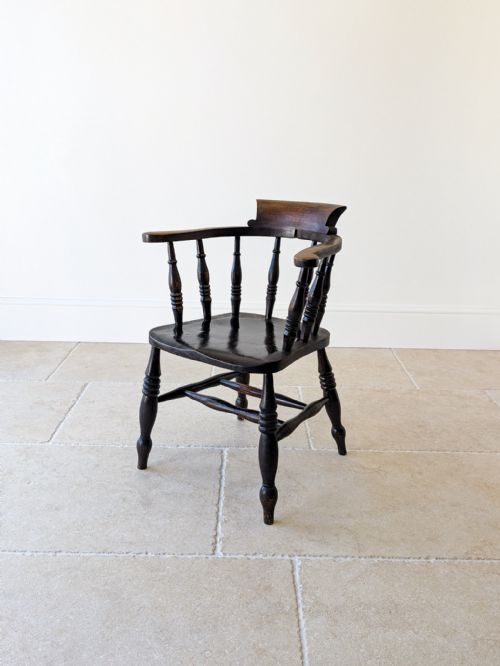
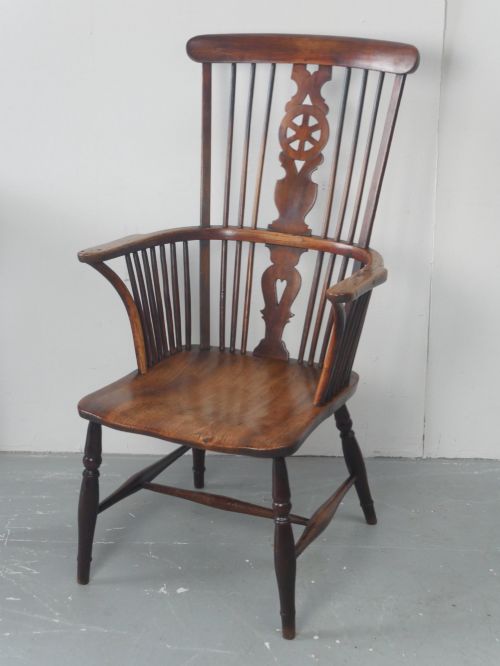
When you search for an elm wood armchair, you encounter a robust tradition of vernacular seating spanning the eighteenth, nineteenth, and early twentieth centuries. The form most commonly met on this page is the Windsor chair, alongside related kitchen, smoker's, and captain's chairs originating from English rural workshops.
The selection also encompasses continental and eastern examples, such as Chinese yoke-back armchairs in elm, demonstrating that provincial makers shared a similar affinity for the timber's grain across diverse cultures.
How they were made
Constructed using traditional green woodworking techniques, these chairs combine different native timbers for structural integrity. Seat blocks are typically carved from thick elm, while spindles and legs utilise ash, beech, or fruitwood for strength and elasticity.
Makers often employed a stick-back or hoop-back frame anchored directly into the solid wooden seat using wedge-tenon joints. Many surviving examples retain original surface finishes, wax patinas, or traces of early lacquer that highlight the natural figure of the wood.
Elm Wood Armchair Retail Price Guide 2026
Typical asking prices for elm wood armchair among the pieces listed under this phrase on Sellingantiques today, from the lower quarter to the upper quarter. They describe what is for sale here now, not the wider market.
What varies in quality
The distinction between ordinary and exceptional seating lies in the sculpting of the seat and the balance of the proportions. A superior elm wood armchair displays a deeply dished, ergonomic seat plank and well-turned spindles with crisp detailing.
Patina and originality dictate the standing of a piece within the range. Chairs retaining their original surface finish, integrated timber repairs from period use, and tight, honest joints command greater appreciation among collectors than heavily restored examples.
J Spencer
The Elm Wood Armchair Glossary
- Comb-back
- A Windsor chair variation where the central vertical spindles extend upward to support a horizontal headpiece resembling the teeth of a comb.
- Hoop-back
- A continuous bentwood bow forming the back and arms of a Windsor chair in a single sweeping line.
- Wheel-back
- A regional chair design featuring a pierced wooden splat carved in the shape of a cartwheel.
- Smoker's bow
- A low-backed, sturdy armchair with a rounded continuous arm rail, commonly found in nineteenth-century provincial settings.
- Yoke-back
- A traditional chair style featuring a curved top rail shaped like an ox yoke, frequently seen in Qing dynasty elm seating.
Elm Wood Armchair: Frequently Asked Questions
What is a Windsor armchair?
A Windsor armchair is a form of seating where the legs and back spindles are tenoned directly into a solid wooden seat plank rather than an independent frame. They developed in rural workshops and became staples of English country houses.
Most feature distinctive turned components and steam-bent elements that provide both structural support and visual lightness despite the heavy timber utilised in the seat.
How do I date an elm armchair?
Dating relies on observing construction methods, tool marks beneath the seat, and stylistic evolution in the back design. Earlier pieces often display wider saddle seats and thicker turned members.
Victorian and later iterations tend toward more standardised turning and lighter framing, though vernacular makers frequently continued traditional techniques well into the nineteenth century.
Where were these chairs made?
These pieces originated in regional workshops across England, with distinct styles emerging from the Thames Valley, Yorkshire, and East Anglia. Local timber availability dictated the mix of woods used alongside the primary elm.
Provincial joiners and bodgers supplied local farms, inns, and homes, resulting in varied regional characteristics rather than centralized factory production.
How should I care for elm wood?
Elm wood benefits from occasional application of traditional beeswax to nourish the grain and maintain the protective surface sheen. Avoid placing the chair near direct heat sources or in fluctuating humidity.
Gentle dusting with a soft cloth preserves the historic patina and prevents the timber from drying out over time.